Why Solar Panels Matter
Solar panels are the key to harnessing the unlimited power of the sun. They convert sunlight into electricity, providing a sustainable energy source for a wide range of applications. Whether for residential rooftops, commercial buildings, or industrial projects, solar panels offer:
- Energy Independence: Reduce reliance on traditional energy sources.
- Cost Savings: Lower electricity bills with long-term energy production.
- Environmental Benefits: Reduce carbon emissions and support global sustainability goals.
Types of Solar Panels
There are several types of solar panels available, each with distinct characteristics. Choosing the right type depends on your energy goals, budget, and installation location.
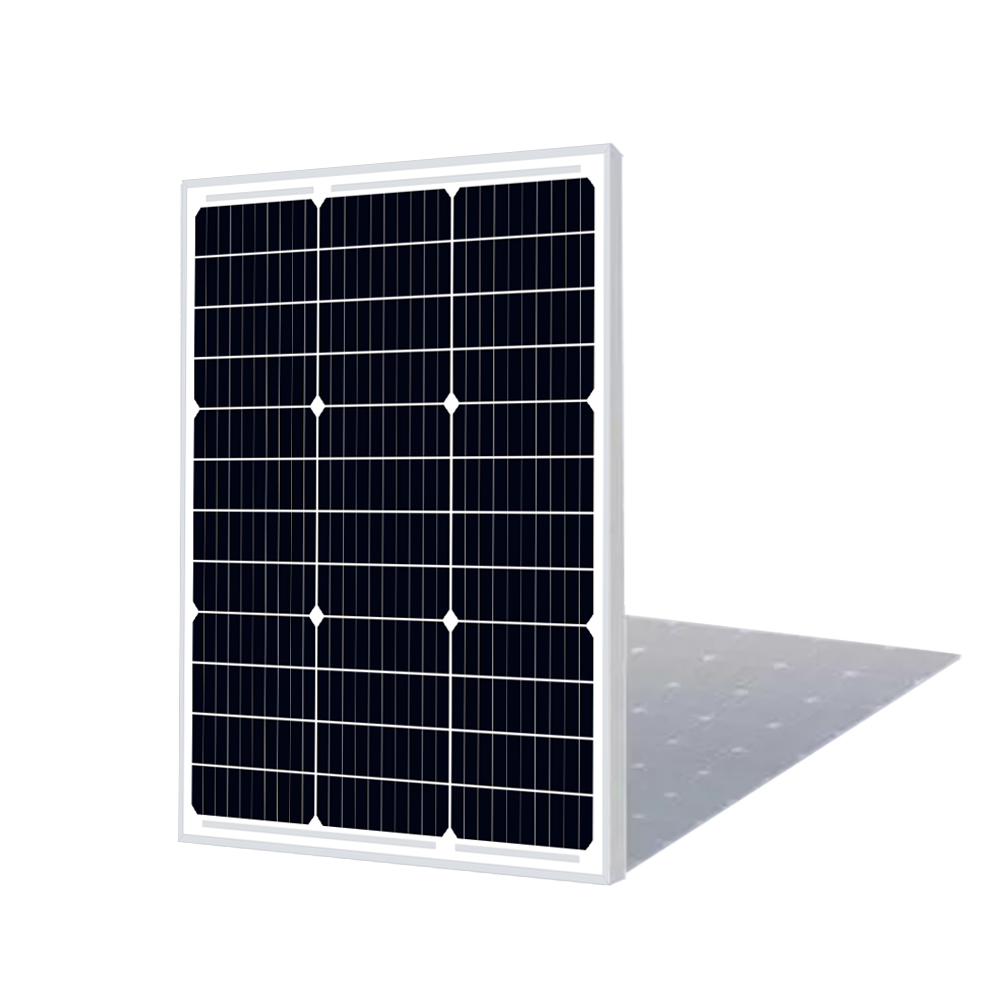
a. Monocrystalline Solar Panels
- Description: Made from single-crystal silicon, these panels are known for their high efficiency and sleek appearance.
- Advantages:
- High energy output per square meter.
- Long lifespan and excellent performance in low-light conditions.
- Best For: Residential installations where space is limited, or commercial projects requiring high efficiency.
b. Polycrystalline Solar Panels
- Description: Constructed from multiple silicon crystals, these panels are more affordable than monocrystalline options.
- Advantages:
- Cost-effective for large-scale installations.
- Reliable performance in sunny environments.
- Best For: Commercial and industrial applications with large available spaces.
c. Thin-Film Solar Panels
- Description: Lightweight and flexible panels made from materials like cadmium telluride or amorphous silicon.
- Advantages:
- Ideal for unique installations, such as curved surfaces or portable solar systems.
- Performs well in high temperatures.
- Best For: Portable solar systems, RVs, and industrial applications requiring flexible solutions.
Key Factors to Consider When Choosing Solar Panels
Selecting the right solar panels involves evaluating several factors to ensure optimal performance and long-term value.
a. Efficiency
- Higher efficiency panels produce more electricity in less space, making them ideal for rooftops or areas with limited installation space.
- Example: Thlinkpower High-Efficiency Solar Panels offer industry-leading performance.
b. Durability
- Solar panels must withstand harsh weather conditions, such as heavy rain, snow, or high winds. Look for panels with high durability ratings.
- Example: Thlinksolar Durable Solar Panels are designed for extreme climates.
c. Installation Space
- For residential use, space constraints may require high-efficiency monocrystalline panels.
- For commercial or industrial projects, cost-effective polycrystalline panels may be better suited.
d. Cost vs. Performance
- Balance your budget with your energy goals. While high-efficiency panels may cost more upfront, they offer greater long-term savings.
e. Certifications and Warranties
- Ensure panels are TÜV and CE-certified for quality and safety. Look for warranties of 20–25 years for added peace of mind.
Applications of Solar Panels
a. Residential Solar Panels
- Perfect for rooftops, residential solar panels reduce electricity bills and allow homeowners to achieve energy independence.
- Example Use Case: A family installs rooftop solar panels to power their home and store excess energy in a battery system.
b. Commercial Solar Panels
- Businesses use solar panels to reduce operational expenses and meet sustainability goals.
- Example Use Case: A retail store installs a solar energy system with polycrystalline panels to offset daytime energy consumption.
c. Industrial Solar Panels
- Factories and warehouses benefit from large-scale solar installations that meet high energy demands.
- Example Use Case: A manufacturing plant installs thin-film solar panels to power operations while reducing its carbon footprint.
d. Portable Solar Panels
- Lightweight and flexible solar panels are ideal for portable applications, such as camping, RVs, and emergency power systems.
- Example Use Case: A camper uses flexible solar panels to charge batteries and power appliances during trips.
Why Choose Thlinkpower Solar Panels?
Thlinkpower provides high-quality solar panels designed to meet the diverse needs of homeowners, businesses, and industries.
Our Advantages:
- High Efficiency: Maximum energy output with minimal space requirements.
- Durability: Weather-resistant materials for long-term performance.
- Custom Solutions: Residential, commercial, and industrial options available.
- Certified Quality: TÜV and CE-certified for reliability and safety.
- Affordable Options: Cost-effective solutions without compromising quality.
Popular Products:
- Thlinksolar Residential Solar Panels: Ideal for rooftop installations.
- Thlinkpower High-Efficiency Solar Panels: Designed for maximum energy savings.
- Thlinksolar Portable Solar Panels: Perfect for outdoor and off-grid use.
Frequently Asked Questions
Q1: How long do solar panels last?
Most solar panels have a lifespan of 25–30 years, with minimal efficiency loss over time.
Q2: Do solar panels work in cloudy weather?
Yes, high-efficiency solar panels can still generate electricity in low-light conditions, though output will be reduced.
Q3: Can I install solar panels myself?
While DIY installation is possible, professional installation ensures proper setup, safety, and compliance with local regulations.
Q4: How many solar panels do I need for my home?
The number of panels depends on your energy consumption, roof space, and panel efficiency. A typical home may require 10–20 panels.
Contact Us
Ready to invest in solar panels for your home, business, or industrial facility? Thlinkpower is here to help.
- Phone: +86-18157449065
- Email: thlink5@thlinkpower.com
- Address: Lijiaqiao Village, Gulin Town, Haishu District, Ningbo City, Zhejiang Province
- Website: [https://xl-b.pinshop.com/contact-us]