Introduction
Solar inverters are the heart of solar energy systems, ensuring the seamless conversion of solar power into electricity that can be used in homes, businesses, and industrial applications. Choosing the right inverter is essential for optimizing energy generation, storage, and usage. This guide explains the types of inverters, their applications, and how to choose the best one for your needs.
What Is a Solar Inverter?
A solar inverter converts the direct current (DC) electricity produced by solar panels into alternating current (AC), which is compatible with most household and commercial appliances. Beyond conversion, solar inverters also monitor system performance, regulate power output, and ensure safety during operations.
Types of Solar Inverters
a. String Inverters
- Description: A single inverter is connected to a string of solar panels.
- Advantages:
- Affordable and simple to install.
- Ideal for uniform installations with consistent sunlight.
- Disadvantages:
- The entire system’s performance is limited by the weakest panel in the string.
- Best For: Small to medium residential or commercial systems with minimal shading.
b. Microinverters
- Description: Individual inverters are installed on each solar panel, enabling panel-level optimization.
- Advantages:
- Maximizes energy output by addressing shading or panel issues individually.
- Improves system reliability.
- Disadvantages:
- Higher cost compared to string inverters.
- Best For: Installations with shading or panels on multiple roof orientations.
c. Power Optimizers
- Description: Installed on each panel and paired with a central inverter, power optimizers enhance energy production.
- Advantages:
- Combines the benefits of microinverters and string inverters.
- Cost-effective compared to microinverters.
- Disadvantages:
- Slightly more expensive than string inverters alone.
- Best For: Systems with partial shading or irregular layouts.
d. Hybrid Inverters
- Description: Combines a solar inverter with a battery inverter, enabling energy storage and backup power.
- Advantages:
- Seamless integration of batteries for energy storage.
- Provides backup power during outages.
- Disadvantages:
- Higher upfront cost.
- Best For: Hybrid solar systems with battery storage.
e. Off-Grid Inverters
- Description: Designed for systems that operate independently of the grid.
- Advantages:
- Essential for remote or off-grid locations.
- Works with batteries to provide consistent power.
- Disadvantages:
- Requires careful sizing to avoid energy shortages.
- Best For: Off-grid homes, cabins, and industrial setups.
Factors to Consider When Choosing a Solar Inverter
a. System Size
- Ensure the inverter matches the total energy output of your solar panels.
- Oversizing or undersizing can reduce system efficiency.
b. Efficiency
- Look for inverters with a conversion efficiency above 95%, minimizing energy loss.
c. Compatibility
- Ensure compatibility with your solar panels, battery storage (if applicable), and monitoring systems.
d. Budget
- Balance upfront cost with long-term savings. Microinverters and hybrid inverters may cost more initially but offer better performance and flexibility.
e. Environmental Factors
- If your system is prone to shading, consider microinverters or power optimizers for better energy output.
f. Grid Connectivity
- Decide whether you need a grid-tied, off-grid, or hybrid inverter based on your energy needs.
g. Warranty and Support
- Choose an inverter with a warranty of at least 5–10 years for peace of mind.
- Reliable customer support is essential for repairs and maintenance.
How to Size a Solar Inverter
Proper sizing ensures optimal performance and efficiency.
a. Match Capacity to Panel Output
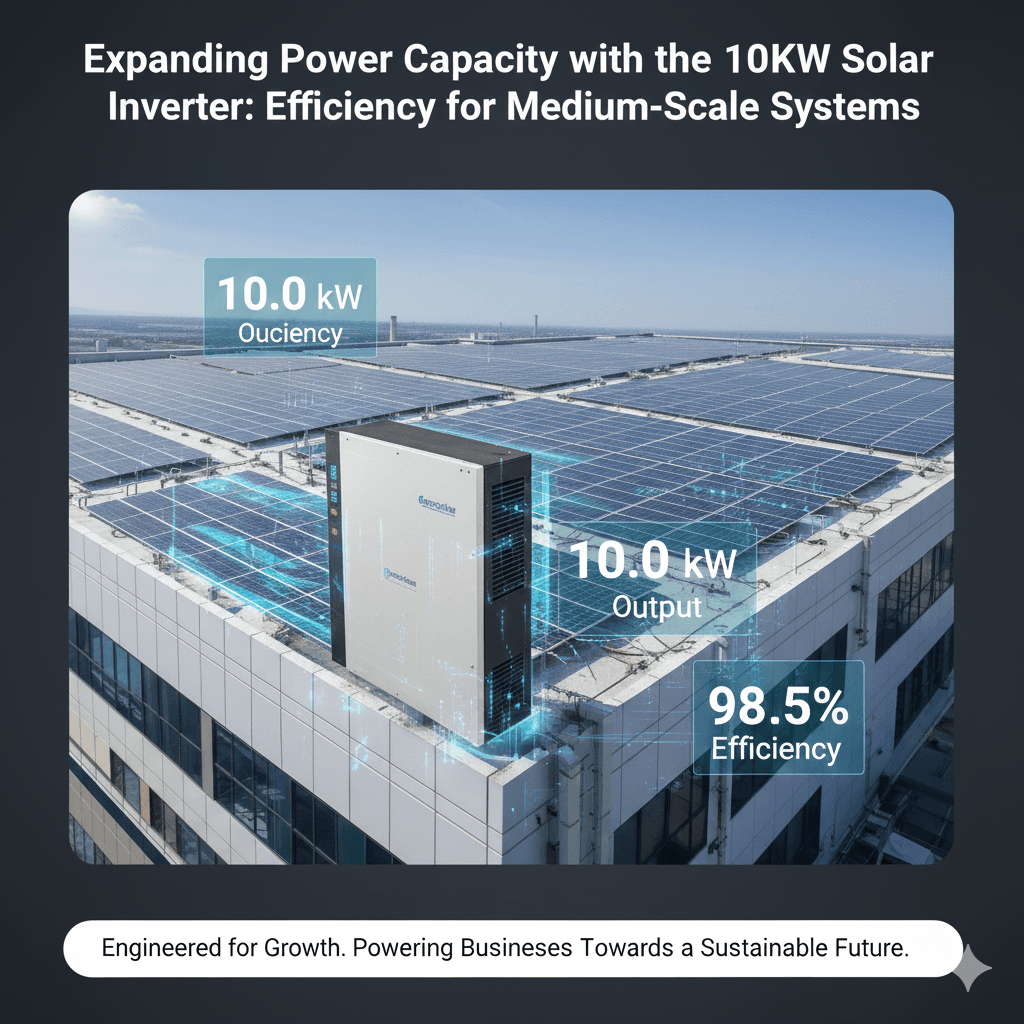
- The inverter’s capacity (in kW) should match or slightly exceed the total wattage of your solar panels.
- Example: A 5kW solar array requires an inverter with at least 5kW capacity.
b. Oversizing Solar Arrays
- Some systems oversize the panels (e.g., 6kW panels with a 5kW inverter) to maximize production during peak sunlight hours.
c. Check Voltage and Current Limits
- Ensure the inverter’s input voltage and current limits match your solar array configuration.
Applications of Solar Inverters
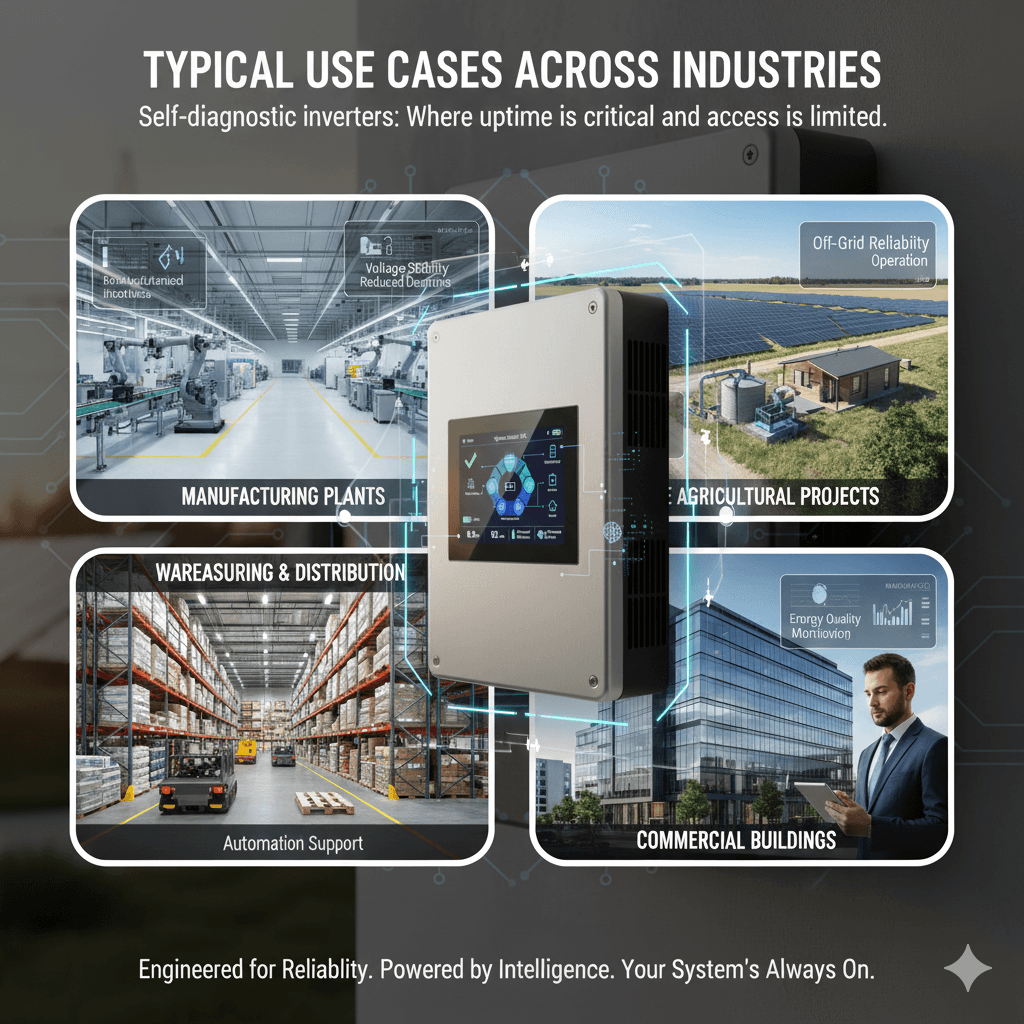
a. Residential Solar Systems
- Inverter Type: String inverters, microinverters, or hybrid inverters.
- Example: A homeowner installs a 6kW solar system with a hybrid inverter to support future battery integration.
b. Commercial Solar Systems
- Inverter Type: String inverters or power optimizers.
- Example: A retail store uses a 20kW system with power optimizers to address shading issues from nearby structures.
c. Industrial Solar Systems
- Inverter Type: Large string inverters or off-grid inverters.
- Example: A factory installs a 500kW system with string inverters to power its operations.
d. Off-Grid Solar Systems
- Inverter Type: Off-grid inverters.
- Example: A remote cabin uses a 3kW off-grid inverter with battery storage for 24/7 power.
Why Choose Thlinkpower Solar Inverters?
At Thlinkpower, we provide high-quality solar inverters designed for residential, commercial, and industrial applications.
Our Advantages
- High Efficiency: Industry-leading conversion rates to maximize energy output.
- Custom Solutions: Tailored inverters for your specific energy needs.
- Certified Quality: TÜV and CE-certified products ensure safety and reliability.
- Comprehensive Support: From consultation to post-installation service.
Popular Products
- Thlinkpower String Inverters: Reliable and cost-effective for residential systems.
- Thlinkpower Hybrid Inverters: Perfect for integrating battery storage.
- Thlinkpower Off-Grid Inverters: Robust solutions for remote locations.
Frequently Asked Questions
Q1: How long do solar inverters last?
- Most inverters last 10–15 years, with warranties typically ranging from 5–10 years.
Q2: Can I use a hybrid inverter without a battery?
- Yes, hybrid inverters can function as grid-tied inverters without a battery.
Q3: What happens if my inverter is undersized?
- An undersized inverter limits power output, reducing overall system efficiency.
Q4: Are microinverters worth the extra cost?
- Microinverters are ideal for installations with shading or panels in multiple orientations, as they optimize performance at the panel level.
Q5: How do I monitor my inverter’s performance?
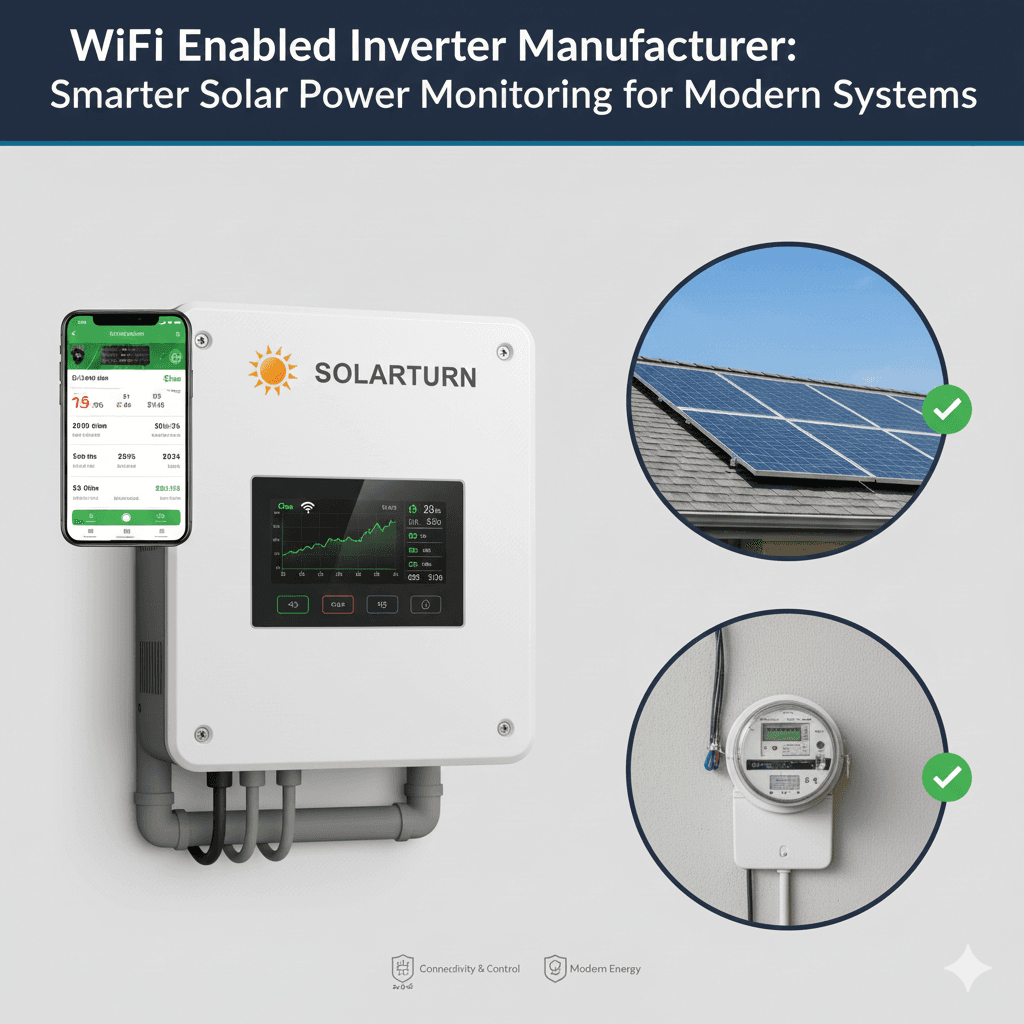
- Most modern inverters include monitoring tools, such as apps or web portals, for real-time performance tracking.
Contact Us
Need help selecting the right solar inverter? Thlinkpower provides expert guidance and high-quality products tailored to your energy needs.
- Phone: +86-18157449065
- Email: thlink5@thlinkpower.com
- Address: Lijiaqiao Village, Gulin Town, Haishu District, Ningbo City, Zhejiang Province
- Website: [https://xl-b.pinshop.com/]