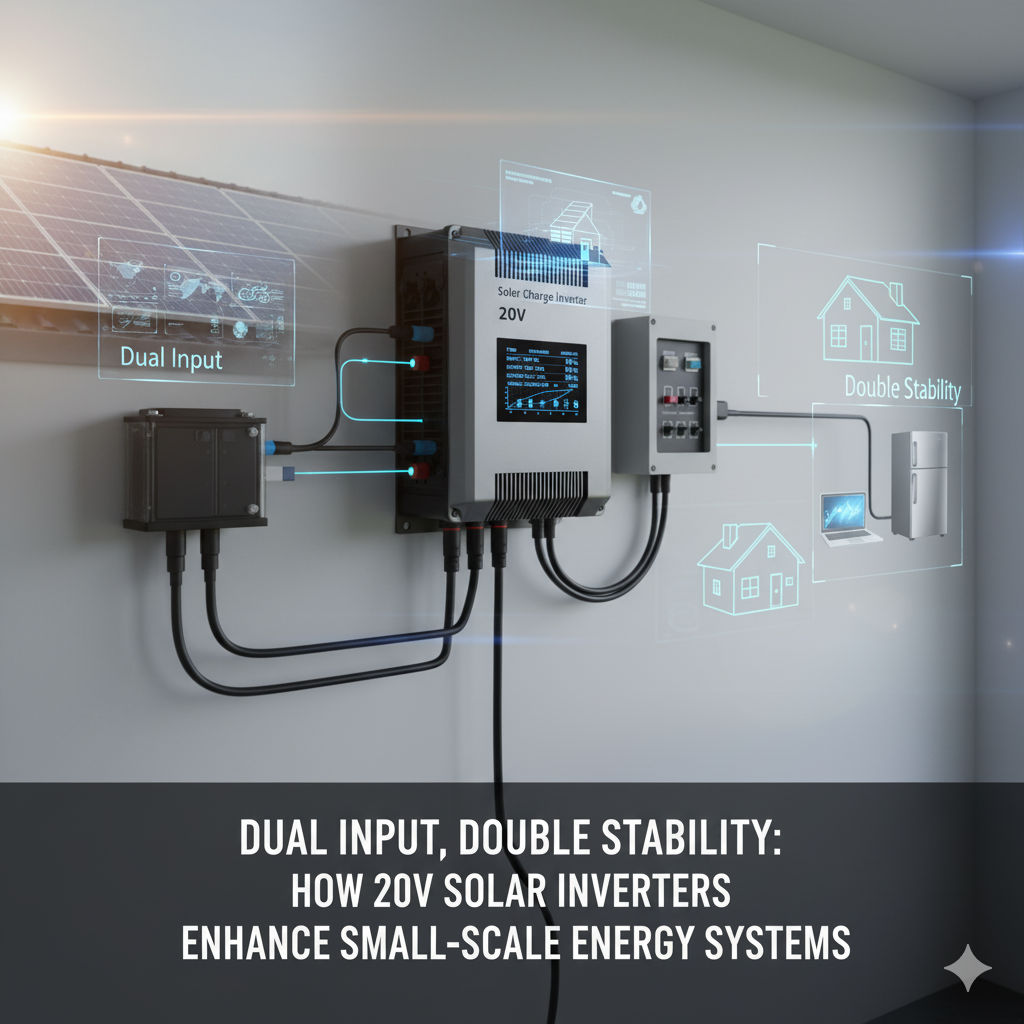
Engineering Reliability: The Logic Behind Dual Input Inverters
A single energy source, no matter how efficient, always carries a risk of interruption.
The 20V dual input solar inverter solves that problem by combining two DC sources—typically solar panels and batteries—into one coordinated power system.
This design ensures uninterrupted current flow even when solar irradiance fluctuates, making it ideal for agriculture pumps, rural lighting systems, and portable power stations.
It is, in essence, a micro-hybrid engine for energy resilience at the edge of the grid.
How Dual Input Design Works
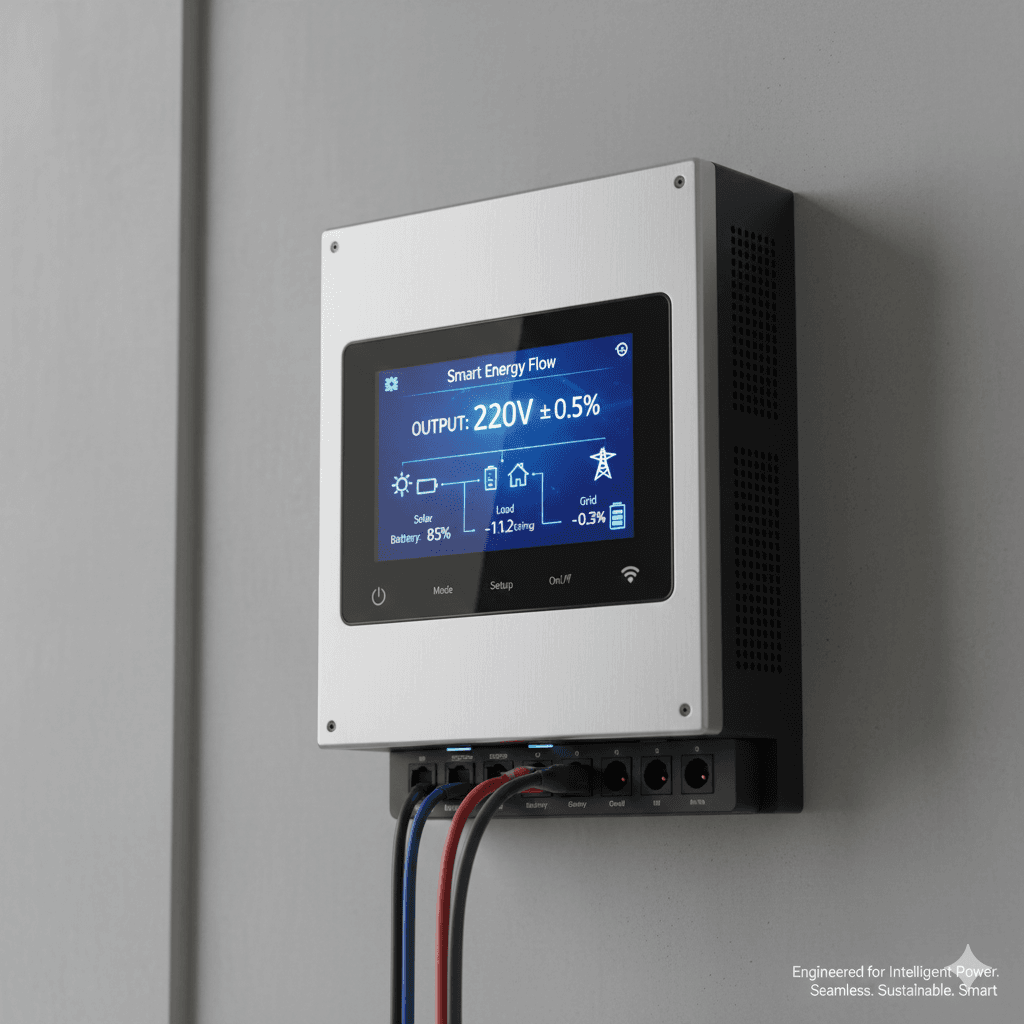
Unlike conventional inverters that rely solely on PV power, dual input models feature two synchronized DC terminals—one for solar input, one for battery or auxiliary DC input.
The inverter automatically prioritizes solar charging and seamlessly switches to the secondary source when solar power drops.
| Input Type | Function | Typical Voltage | Operation Mode |
|---|---|---|---|
| PV Input | Converts sunlight to DC power | 18–22V | Primary source, MPPT-controlled |
| Battery Input | Backup or night-time source | 12V/24V | Automatic switching |
| Dual Input Controller | Balances energy between both | — | Hybrid logic for stable AC output |
This approach maintains AC power without interruption—a key factor in remote or mission-critical applications.
Where It Excels: Practical Environments
As noted by IRENA (International Renewable Energy Agency) in its Renewable Power Generation Costs 2023 report, distributed hybrid energy systems are becoming essential for off-grid electrification.
Dual input inverters fit perfectly into this trend, offering affordable hybridization without complex infrastructure.
Source: IRENA – Renewable Power Generation Costs 2023
| Environment | Challenge | How 20V Dual Input Inverter Solves It |
|---|---|---|
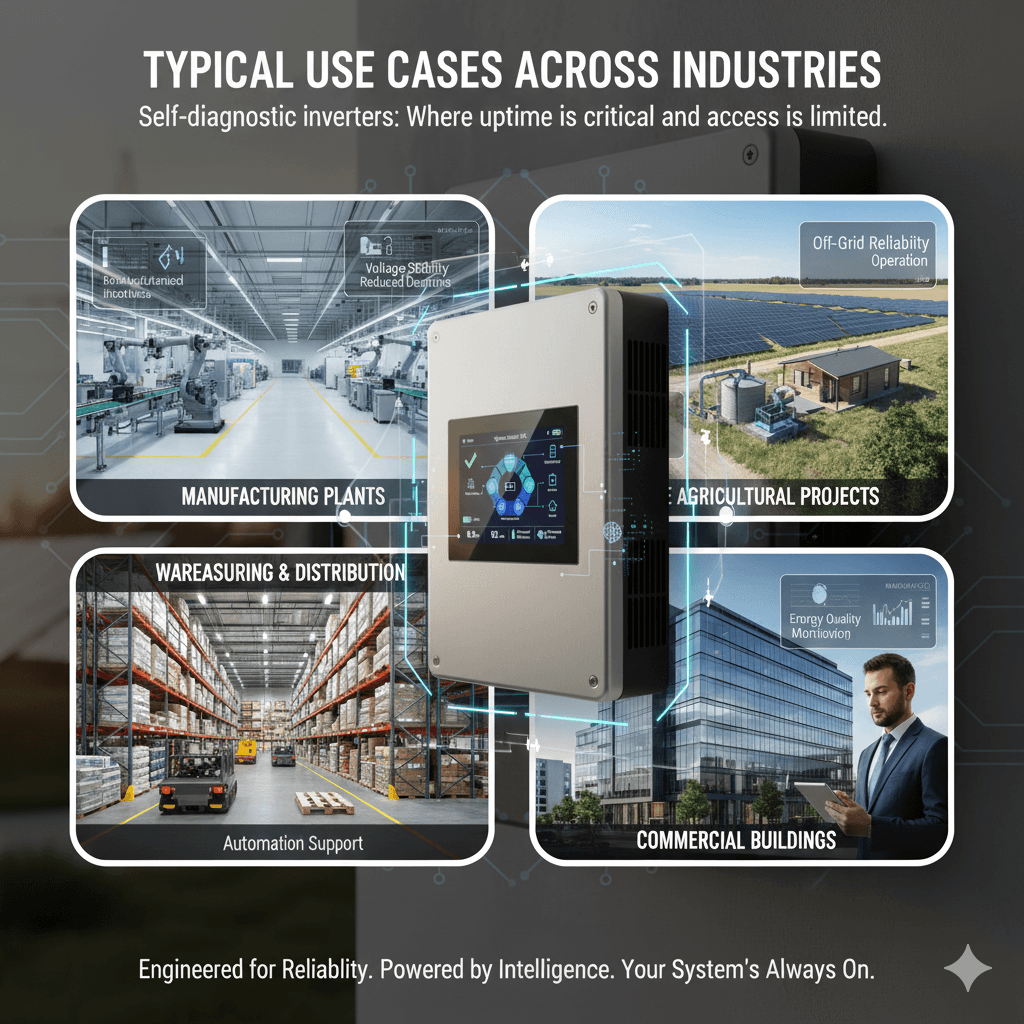
| Rural Agriculture | Unreliable sunlight during irrigation hours | Battery input ensures continuous pump power |
| Telecom Outposts | Equipment requires stable DC backup | Secondary input prevents signal dropouts |
| Small Workshops | Voltage fluctuations affect tools | Dual source maintains steady AC output |
| Portable Solar Kits | Mobility and lightness required | Compact dual input design replaces bulky UPS |
In each scenario, reliability becomes measurable—fewer outages, better charge retention, and smoother voltage response.
Performance Comparison: Single vs. Dual Input
| Feature | Single Input 20V Inverter | Dual Input 20V Inverter |
|---|---|---|
| Power Source | PV only | PV + Battery/DC |
| Operation Continuity | Intermittent under shade | Seamless switching |
| Voltage Stability | Moderate | High |
| Efficiency | 90–93% | 94–96% |
| Ideal Use | Basic solar setups | Hybrid/off-grid systems |
Findings from the IEA-PVPS Task 13 report indicate that hybrid inverter architectures can extend energy availability by up to 12% annually in mixed-supply environments.
Source: IEA-PVPS – Performance of New PV System Designs
Engineering Advantages
-
Automatic Source Switching
Real-time monitoring ensures transition between PV and battery within milliseconds, avoiding load interruption. -
MPPT Control + Smart Charge Algorithm
Dual-channel MPPT controllers independently optimize panel and battery charging. -
Reduced Cable Loss
Balanced voltage operation (18–22V) reduces wire heat and energy waste. -
Safety Integration
Built-in surge protection, short-circuit isolation, and polarity safeguards. -
Extended Battery Life
Controlled charge/discharge cycles maintain optimal voltage thresholds for lithium or gel batteries.
Installation & Design Tips
To ensure optimal long-term performance:
-
Keep inverter within ventilated enclosures (IP65 or higher).
-
Connect the battery input with short, thick cables to minimize voltage drop.
-
For systems under 500W, use MPPT + PWM hybrid controllers for cost balance.
-
Integrate remote monitoring modules if operating in telecom or surveillance setups.
Recent MDPI 2024 study on inverter degradation patterns confirmed that dual input control reduces thermal cycling stress by up to 25%, extending service life.
Source: MDPI Sensors – Inverter Efficiency Using PV Element Parameters (2024)
Common Questions
Q1: Can a dual input inverter work with two different voltages?
Yes. Most modern models auto-balance inputs as long as voltage difference is within 5V tolerance.
Q2: What happens if both sources are active?
Priority logic assigns solar as the main input, while the battery provides balancing support during load surges.
Q3: Does it require a separate charge controller?
No. It integrates an MPPT-based charger, simplifying the system.
Q4: Is it suitable for continuous 24-hour operation?
Yes, provided the battery size supports overnight loads and inverter temperature is monitored below 50°C.
The Value of Dual Input Architecture
The 20V dual input solar inverter is not just another off-grid accessory—it’s a practical bridge between affordability and resilience.
By merging dual power paths, it gives small energy systems the intelligence and autonomy of larger hybrid plants—without the cost or complexity.
At ThlinkSolar, our inverter range spans compact 20V designs to industrial-grade 1500V systems, ensuring reliability from micro setups to full-scale plants.
Learn more at ThlinkSolar or contact our engineering team via the Contact Us page.