
Why a Solar Inverter Is the Most Overlooked but Critical Part of Your Solar System
If you're planning to go solar, you probably think the most important part is the panel. It’s not.
Without a solar inverter, your system won’t power a single appliance.
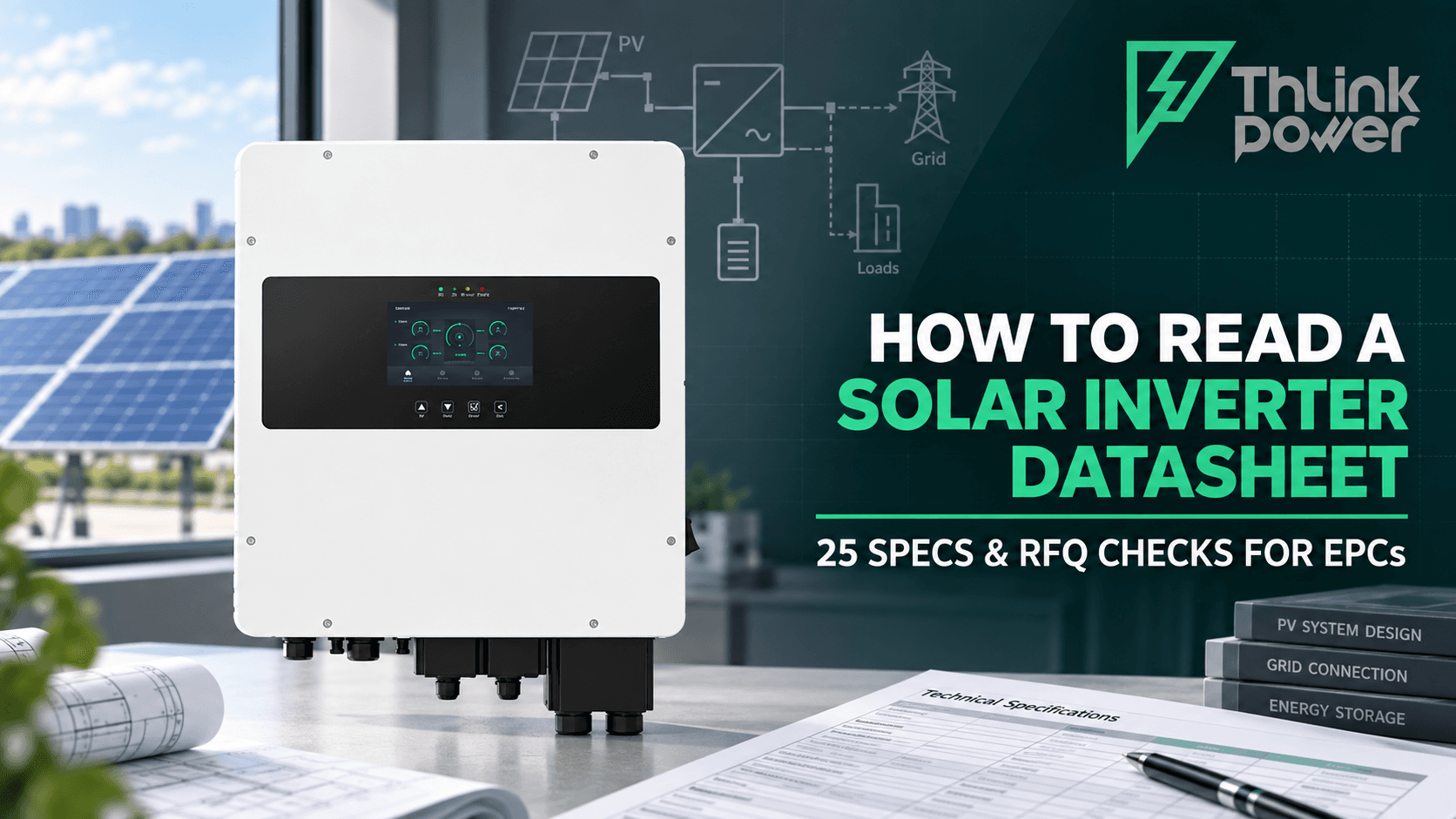
That’s because solar panels produce direct current (DC), but homes and businesses run on alternating current (AC). The inverter converts this power—and much more.
At thlinksolar, we’ve met many customers who spent heavily on panels, only to suffer fromunderperforming systems due to poorly matched or low-quality inverters. It’s a common oversight—one that directly affects performance, safety, and return on investment.
The Real Function of a Solar Inverter: Beyond Just Conversion
Sure, the core job of a solar inverter is toconvert DC to AC, but modern inverters handle more than that:
-
Voltage Regulation & Frequency Control: They ensure power is stable and within safe limits for your devices.
-
Efficiency Optimization: Through MPPT (Maximum Power Point Tracking), they squeeze the most energy out of your panels, even in low light.
-
System Monitoring: Smart inverters provide real-time feedback through apps or screens, helping you spot problems early.
-
Grid Interaction: In on-grid systems, they sync your power with utility specifications.
According to a report byIRENA (International Renewable Energy Agency), inverter choice can influenceup to 30% of a system’s total yieldover its lifetime.
Pain Points Solar Buyers Often Miss
Many buyers don’t realize these issues until it’s too late:
-
“Why does my system underperform on cloudy days?”→ Likely due to a basic inverter without MPPT.
-
“My inverter shuts down in hot weather.”→ Not rated for high ambient temperatures.
-
“The panels are working fine, but I’m not seeing savings.”→ Mismatched inverter capacity or inefficiency in conversion.
-
“I want to add batteries now, but my inverter doesn’t support them.”→ Non-hybrid inverter chosen initially.
At thlinksolar, we’ve helped users across Southeast Asia, Africa, and the Middle East upgrade their inverters tounlock 20–40% more system performance, especially in off-grid and mixed-weather environments.
Choosing the Right Inverter for Your Setup: Context Matters
The “best inverter” isn’t a one-size-fits-all product—it depends on:
1.Location & Climate
-
Hot regions: Look for inverters with high heat tolerance (40°C+).
-
Dusty or humid areas: IP65+ rating is ideal for protection.
-
thlinksolar offers models designed for tropical and desert conditions.
2.Power Needs
-
Small homes may only need 1–3kW; farms or commercial sites may require 10kW+.
-
Oversized inverters lead to waste; undersized ones cause overloads.
3.Future Expansion Plans
-
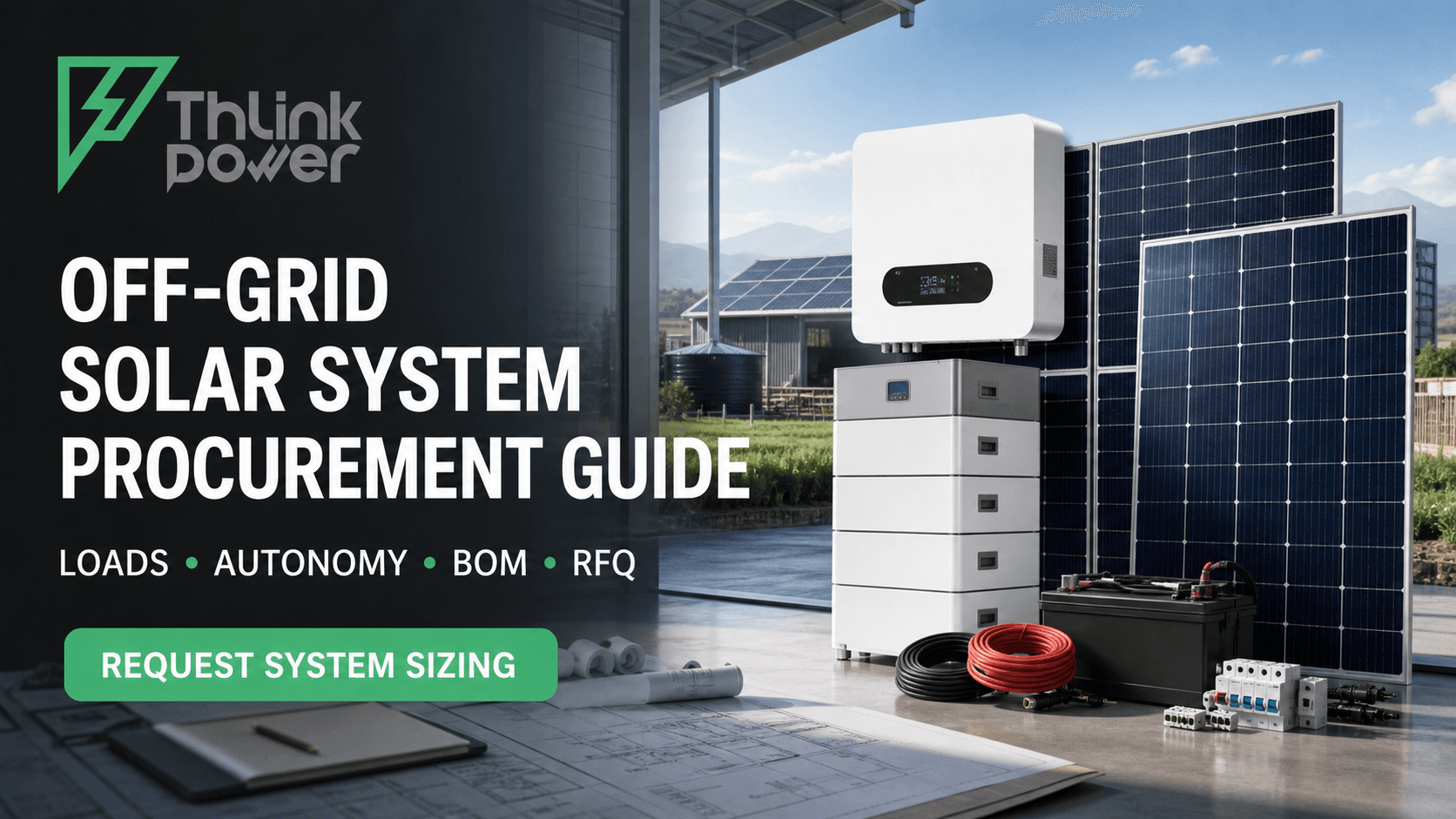
Planning to add batteries or more panels? Use ahybrid or scalable inverternow to save on future replacement costs.
Why thlinksolar Recommends Prioritizing the Inverter First
At thlinksolar, our clients often come with pre-purchased panels but struggle with underperformance. In most cases, theroot cause is the inverter.
Here’s how we help:
-
We analyze project needs (grid availability, energy usage, location)
-
We match you with the right inverter model (MPPT, hybrid, high-temp rated)
-
We offer full solar kits pre-configured for plug-and-play setup
Choosing the inverter first—before selecting your panels—can result in a more balanced, cost-effective system.
The Inverter Is the Brain of Your Solar System
Ignoring your inverter is like buying a car and skimping on the engine. It may look good—but it won’t go far.
To ensure long-term energy savings and stable power output,start with the right inverter. Whether you're building a home system or planning an industrial project, our team at thlinksolar can help you get it right from the beginning.
Explore inverter solutions on ourhomepage.
To learn more about our solar solutions or request a quote, feel free to contact ushere.