Energy Reliability: The Missing Link in Modern Greenhouse Production
Today’s greenhouse operations rely heavily on powered systems — from LED grow lighting and automated irrigation to ventilation fans and heating units. In many agricultural regions, grid reliability remains a daily challenge, while diesel alternatives add costs and emissions.
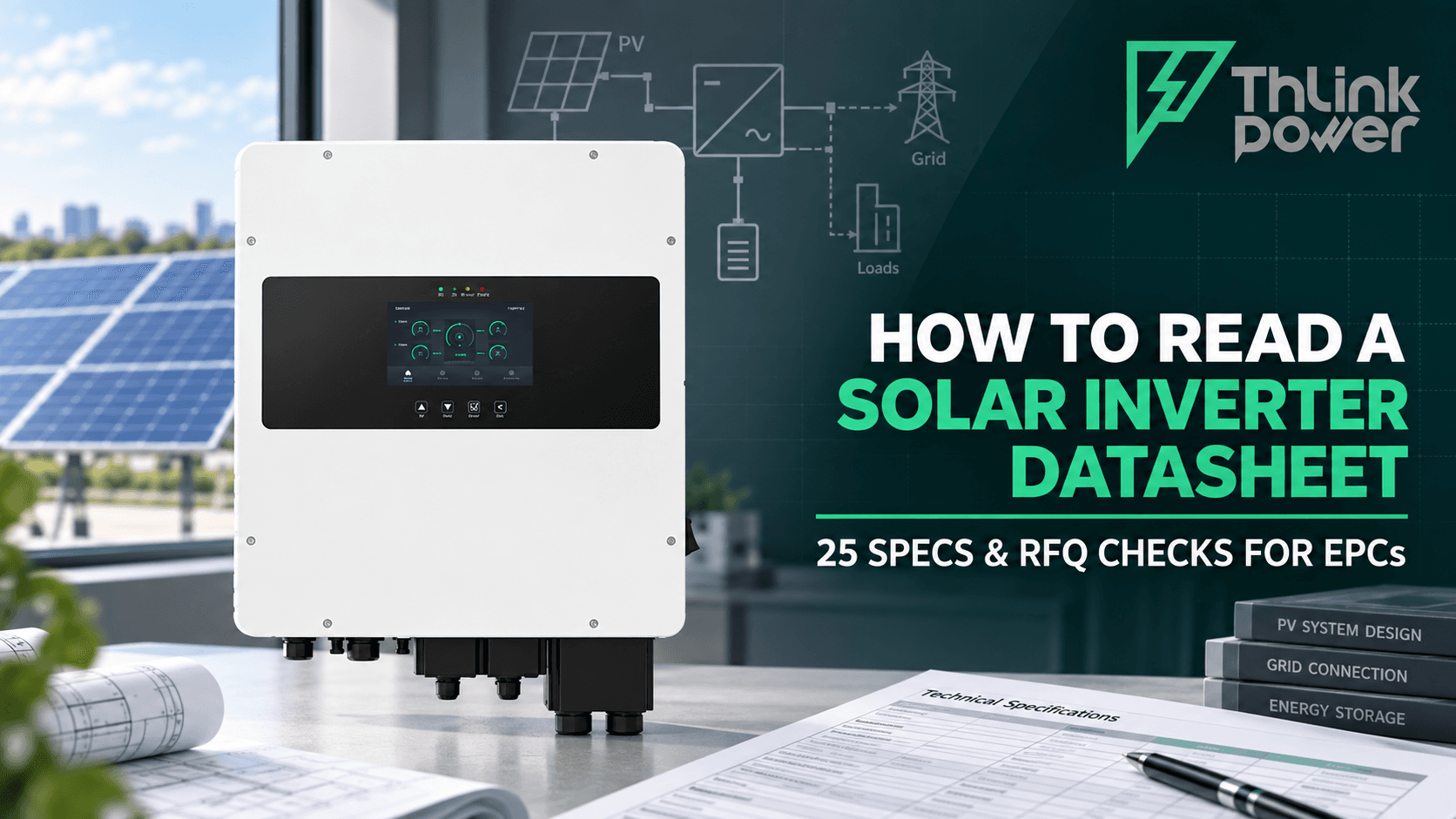
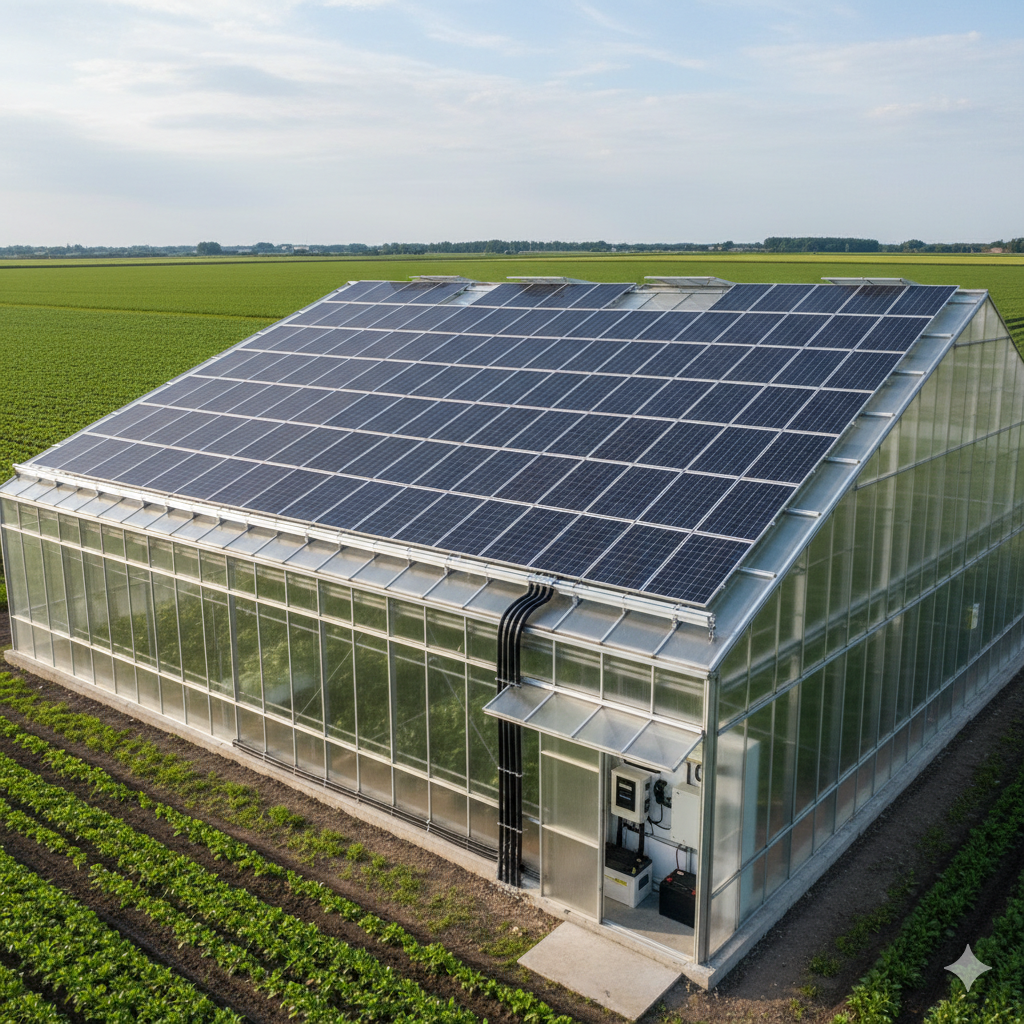
By introducing a solar inverter for greenhouse, farmers transform sunlight into stable, managed electricity. The inverter converts DC power from panels to AC for equipment use, balancing generation and demand through smart control. The result is consistent productivity, regardless of weather or grid conditions.
Inside the System: How Power Flows Through a Greenhouse Solar Network
A greenhouse solar system is more than panels on a roof — it’s an interconnected power ecosystem. The inverter coordinates between solar generation, storage, and energy consumption to keep every subsystem in sync.
| Greenhouse Function | Power Source | Inverter’s Role |
|---|---|---|
| LED Lighting | Solar / Grid | Regulates voltage, ensures light cycle accuracy |
| Irrigation & Pumps | Solar / Battery | Enables stable water supply independent of sunlight |
| Ventilation & Heating | Solar / Grid | Balances load to sustain air temperature and humidity |
| Control Systems | Solar | Powers sensors and automation modules continuously |
Through advanced MPPT algorithms and hybrid operation modes, solar inverters ensure consistent output — making renewable energy not just viable, but dependable for agriculture.
Turning Sunlight into Control: Engineering Features That Matter
For greenhouse operators, reliability is built through technology, not chance. A professional-grade solar inverter delivers multiple layers of control and safety.
-
Adaptive Charging — Matches battery chemistry to prevent overcharge and extend life cycles.
-
Real-Time Load Balancing — Distributes power intelligently between irrigation, lighting, and climate systems.
-
Thermal Management — Keeps performance stable under heat and dust through optimized airflow and cooling.
-
Hybrid Readiness — Switches seamlessly between solar, grid, and storage inputs for uninterrupted operations.
-
IoT Integration — Communicates with greenhouse controllers for predictive energy scheduling.
In short, the inverter acts as a control brain, allowing farmers to manage power flow as precisely as they manage soil or nutrients.
The Economic Equation: Reducing Energy Cost Without Sacrificing Yield
A greenhouse powered by solar is not only cleaner — it’s more predictable in cost. Electricity bills and fuel purchases fluctuate; solar systems offer a fixed, declining cost curve over time.
-
Up to 70% lower energy expenditure compared with grid-dependent farms.
-
Reduced downtime, keeping climate control and irrigation uninterrupted.
-
Shorter ROI cycles, typically three to five years.
-
Eligibility for green energy subsidies in many regions.
According to IRENA (2024) data, well-designed hybrid greenhouse systems can lower production energy costs by $0.10–0.15 per kWh, proving that sustainability and profitability now align.
From Concept to Field: Where Greenhouse Solar Inverters Excel
Practical adoption is growing fast. Around the world, solar inverters are redefining agricultural productivity:
-
Tropical Vegetable Farms (Southeast Asia): Day-night hybrid power keeps ventilation fans running through monsoon seasons.
-
Floriculture Greenhouses (Europe): Stable power for lighting ensures consistent bloom cycles independent of weather.
-
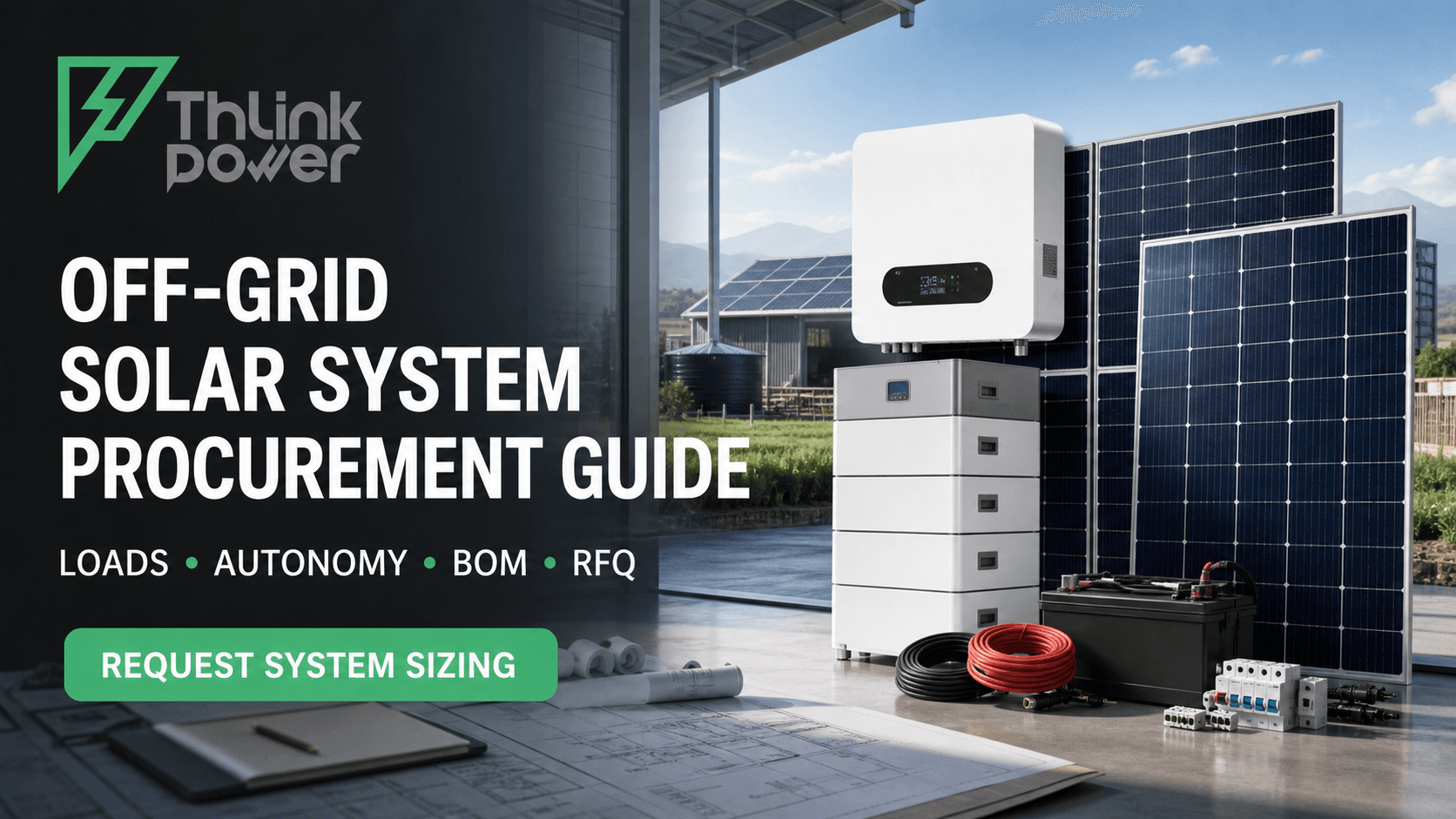
Organic Farm Projects (Africa): Off-grid inverter systems replace diesel generators, lowering fuel costs and maintenance.
These real-world cases illustrate how reliable energy translates into yield stability, longer equipment life, and export-grade crop quality.
What Engineers and Farm Owners Should Consider
When developing a greenhouse solar solution, aligning technical specs with agricultural needs is key.
| Parameter | Recommended Spec | Why It Matters |
|---|---|---|
| Inverter Rating | 6–12 kW per greenhouse module | Matches lighting and irrigation load profile |
| Protection Grade | IP65 or above | Resists dust and high humidity environments |
| Battery Type | Lithium / LFP | Supports long daily cycles |
| Efficiency | ≥ 98% | Reduces thermal waste and power loss |
| Communication | RS485 / Wi-Fi | Enables system diagnostics and remote control |
Expert Tip: For farms with seasonal variations, choose modular inverter systems that can expand capacity without rewiring or control reconfiguration.
Questions Farmers Often Ask
Q1: Can a single inverter handle both irrigation and climate control?
Yes. A properly sized hybrid inverter distributes energy between systems in real time without affecting performance.
Q2: What if sunlight is inconsistent?
Hybrid systems automatically draw from batteries or grid input to maintain stable power output.
Q3: How long do these systems last?
Panels typically exceed 20 years, while inverters and batteries deliver 8–10 years of service with routine maintenance.
Q4: Does automation work with solar inverters?
Yes. Most models integrate directly with greenhouse IoT systems for synchronized power management.
Building Resilient Agriculture Through Smarter Energy Design
Adopting a solar inverter for greenhouse is more than an energy upgrade — it’s a step toward climate-resilient, data-driven farming. With stable power, automated systems, and long-term cost savings, growers can focus on production, not electricity bills.
At Thlinksolar, we design hybrid inverter solutions that combine engineering precision with real-world agricultural insight. To learn more about how our technology supports greenhouse and agricultural projects, visit our homepage or connect with our experts through the contact page.