Dear Homeowner: You’re Not Taking Full Advantage of Solar Energy Savings
Introduction
As a homeowner, you’ve likely heard about the benefits of solar energy. But did you know that many homeowners are not fully maximizing the savings that solar power can offer? Whether you’re already using solar panels or considering the switch, there are several strategies and insights that can help you unlock the full potential of solar energy savings. This article will guide you through the steps and considerations to ensure you’re getting the most out of your solar investment.
1. Assessing Your Current Solar Setup
1.1 Evaluating Panel Efficiency
The first step in maximizing your solar savings is to evaluate the efficiency of your current solar panels. Modern solar panels have significantly improved in efficiency over the years, with some models converting up to 22% of sunlight into electricity. If your panels are older or less efficient, you may be missing out on potential savings. Consider consulting with a solar expert to assess whether upgrading to more efficient panels could provide a better return on investment.
1.2 Checking for Shading and Obstructions
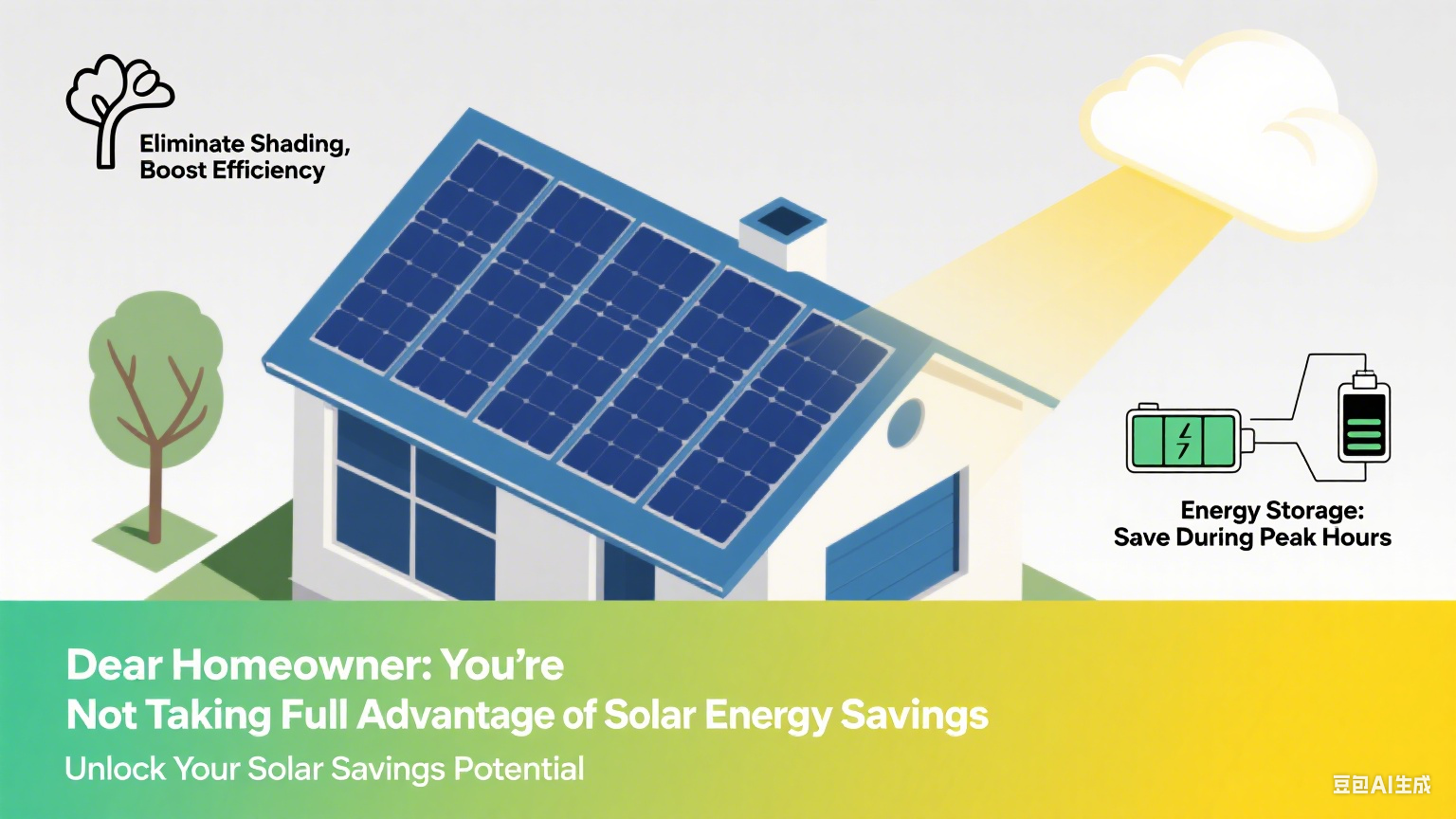
Shading from trees, buildings, or other structures can significantly reduce the output of your solar panels. Even partial shading on a single panel can affect the entire system’s performance. Conduct a shading analysis to identify any obstructions and consider trimming trees or repositioning panels to maximize sunlight exposure. Regular maintenance, such as cleaning panels to remove dust and debris, can also improve efficiency and savings.
2. Optimizing Your Energy Usage
2.1 Time-of-Use (TOU) Rates and Load Shifting
Many utility companies offer time-of-use (TOU) rates, where electricity prices vary depending on the time of day. By shifting your energy usage to off-peak hours, you can take advantage of lower rates and reduce your overall energy costs. For example, running appliances like dishwashers and washing machines during daylight hours when your solar panels are generating electricity can help you save money.
2.2 Energy Storage Solutions
Investing in a home energy storage system, such as a battery, can significantly enhance your solar savings. These systems store excess solar energy generated during the day, allowing you to use it during peak hours or when the grid is down. By reducing your reliance on grid electricity during high-cost periods, you can lower your utility bills and increase your energy independence.
| Optimization Method | Details |
|---|---|
| TOU Rates & Load Shifting | Use energy during off-peak hours (e.g., run appliances when solar generates power) to cut costs. |
| Energy Storage Solutions | Batteries store excess solar energy for peak hours/grid outages, reducing grid reliance and bills. |
3. Leveraging Incentives and Rebates
3.1 Federal and State Incentives
One of the most overlooked ways to maximize solar savings is by taking advantage of federal and state incentives. The federal Investment Tax Credit (ITC) allows homeowners to deduct a percentage of the cost of their solar system from their federal taxes. Additionally, many states and local governments offer rebates, grants, or tax exemptions that can significantly reduce the upfront cost of your solar installation. Be sure to research and apply for all available incentives to maximize your savings.
3.2 Utility Company Programs
Many utility companies offer their own incentives for solar installations, such as net metering programs. Net metering allows you to send excess solar energy back to the grid and receive credits on your utility bill. These credits can offset your electricity costs during periods when your solar panels are not generating enough power. Check with your utility company to see what programs they offer and how you can benefit.
4. Enhancing Your Home’s Energy Efficiency
4.1 Upgrading Appliances and Fixtures
Improving the energy efficiency of your home can complement your solar system and further reduce your energy bills. Upgrading to energy-efficient appliances, lighting fixtures, and HVAC systems can significantly lower your overall energy consumption. Look for products with the ENERGY STAR label, which indicates they meet high efficiency standards.
4.2 Insulation and Weatherization
Proper insulation and weatherization can also help you save on energy costs. Ensuring that your home is well-insulated and sealing any air leaks can reduce the need for heating and cooling, lowering your energy usage and increasing your solar savings. Simple measures like adding weatherstripping to doors and windows can make a big difference in energy efficiency.
5. Monitoring and Managing Your Solar System
5.1 Smart Energy Management Systems
Installing a smart energy management system can help you monitor and optimize your solar energy usage. These systems provide real-time data on your energy production and consumption, allowing you to make informed decisions about when to use energy and how to maximize your savings. They can also integrate with smart home devices to automate energy-saving actions, such as adjusting thermostats or turning off appliances when not in use.
5.2 Regular Maintenance and Performance Checks
Regular maintenance is crucial for ensuring your solar system operates at peak efficiency. Schedule annual inspections and performance checks to identify any issues and ensure your panels are functioning optimally. Cleaning your panels and checking for any damage or wear can help maintain their efficiency and prolong their lifespan, maximizing your long-term savings.
Conclusion
Maximizing your solar energy savings is about more than just installing panels; it’s about optimizing your entire energy ecosystem. By evaluating your current setup, leveraging incentives, improving energy efficiency, and adopting smart management practices, you can significantly enhance your solar savings. Don’t miss out on the full potential of solar power. Take the steps today to ensure you’re getting the most out of your solar investment and contributing to a more sustainable future.
For more information on photovoltaic technology, please visithttps://youtu.be/JB56vgBNr6E?si=48ZjW1I9exvg7s-ofor detailed content.