Solar and Power Inverter: Understanding the Core of Modern Energy Systems
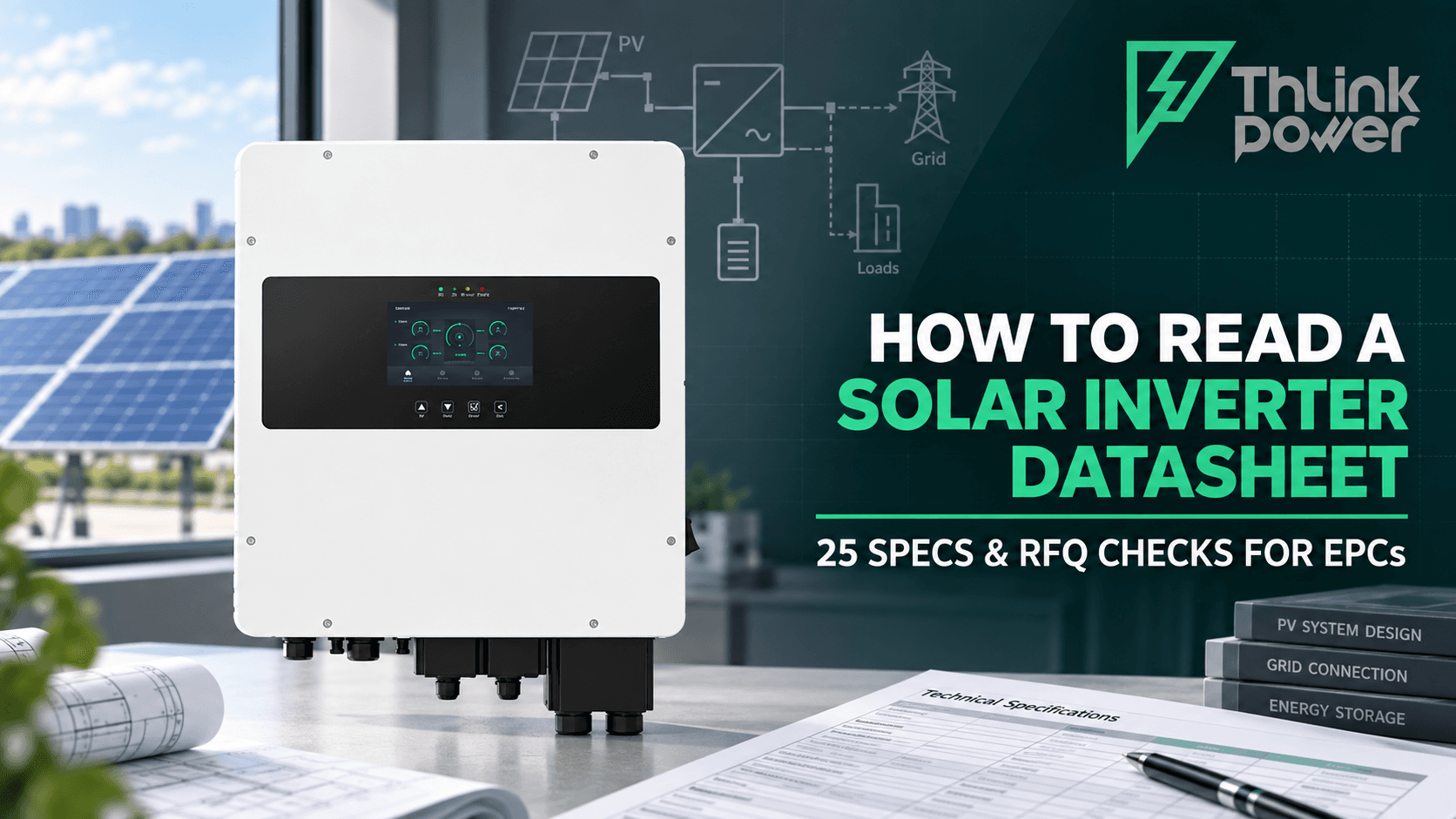
Every solar power system relies on one critical device—the inverter. It transforms direct current (DC) from solar panels into alternating current (AC), the standard form of electricity used by homes, factories, and national grids. Without a solar and power inverter, renewable energy would remain unusable for most modern equipment.
As renewable adoption accelerates worldwide, Thlinksolar continues to design advanced inverter solutions that ensure stable conversion, grid compatibility, and smart monitoring for diverse environments—from residential rooftops to industrial-scale solar farms.
The Role of an Inverter in Solar Systems
Solar panels generate DC electricity that fluctuates with sunlight intensity. The inverter’s role is to stabilize and convert that power to AC. It also manages system safety, synchronization with the grid, and communication with monitoring software.
According to the International Energy Agency (IEA), inverters now represent nearly 10–15% of total solar system value, reflecting their growing importance in smart energy infrastructure.
A modern inverter doesn’t just convert electricity—it balances solar generation, grid demand, and storage usage in real time.
How Solar and Power Inverters Work
-
Power Input: DC electricity from photovoltaic (PV) modules flows into the inverter.
-
Conversion Process: High-speed transistors switch power flow thousands of times per second to generate clean AC output.
-
Synchronization: The inverter matches output frequency and voltage to the utility grid (typically 50/60 Hz).
-
Feedback and Monitoring: Smart inverters communicate data—voltage, load, temperature, and fault logs—to user dashboards or mobile apps.
Advanced models like Thlinksolar’s hybrid series integrate MPPT (Maximum Power Point Tracking) technology, which continuously optimizes voltage for peak solar efficiency—often raising daily energy yield by 5–7%.
Types of Solar and Power Inverters
| Type | Power Range | Application | Distinct Feature |
|---|---|---|---|
| String Inverter | 1–50 kW | Homes & small businesses | Cost-effective and easy to maintain |
| Central Inverter | 100–1000 kW | Utility-scale solar farms | Handles large input arrays |
| Micro Inverter | <1 kW per panel | Residential rooftops | Individual panel optimization |
| Hybrid Inverter | 3–50 kW | Residential & commercial | Supports battery storage and grid tie |
The International Renewable Energy Agency (IRENA) reports that hybrid inverters are the fastest-growing category, driven by rising demand for self-consumption and off-grid capability.
Power Inverter vs Solar Inverter: What’s the Difference?
While the terms often overlap, there are technical differences between a power inverter and a solar inverter:
| Aspect | Power Inverter | Solar Inverter |
|---|---|---|
| Input Source | DC from batteries or external supply | DC from solar PV modules |
| Usage | Backup systems, vehicles, electronics | Renewable energy conversion |
| Control System | Simple conversion logic | MPPT tracking & grid communication |
| Output Stability | Fixed voltage | Variable with load balancing |
In short, a solar inverter is a specialized form of power inverter with higher efficiency and integrated safety logic for renewable energy applications.
Efficiency, Thermal Design, and Durability
Inverter efficiency determines how much solar energy actually reaches your devices.
High-quality systems maintain conversion rates above 97%, with minimal heat loss.
Thlinksolar employs aluminum alloy casings and intelligent cooling mechanisms to prevent thermal derating under full load operation. This design supports durability across wide temperature ranges, from -25°C to +60°C, suitable for tropical, desert, and industrial climates.
For industrial buyers, IP65 or IP66-rated enclosures are crucial to ensure dustproof and waterproof operation, especially in outdoor installations.
Smart Monitoring and Digital Control
Today’s solar and power inverters go beyond basic conversion—they are digitally connected devices.
Through mobile applications or web dashboards, users can:
-
Track solar yield and battery charge status in real time
-
Receive alerts for voltage anomalies or grid fluctuations
-
Remotely adjust power priorities (solar-first, grid-first, battery-first)
Research from EnergySage shows that users with smart monitoring achieve up to 10% higher annual energy efficiency, as issues are detected and resolved early.
Practical Applications by Sector
Residential: 3–6kW hybrid inverters for homes ensure daily self-consumption and blackout protection.
Commercial: 8–15kW systems for offices and retail centers stabilize voltage across multiple circuits.
Industrial: 20–100kW units integrate with factory automation, supporting 3-phase load distribution and predictive maintenance.
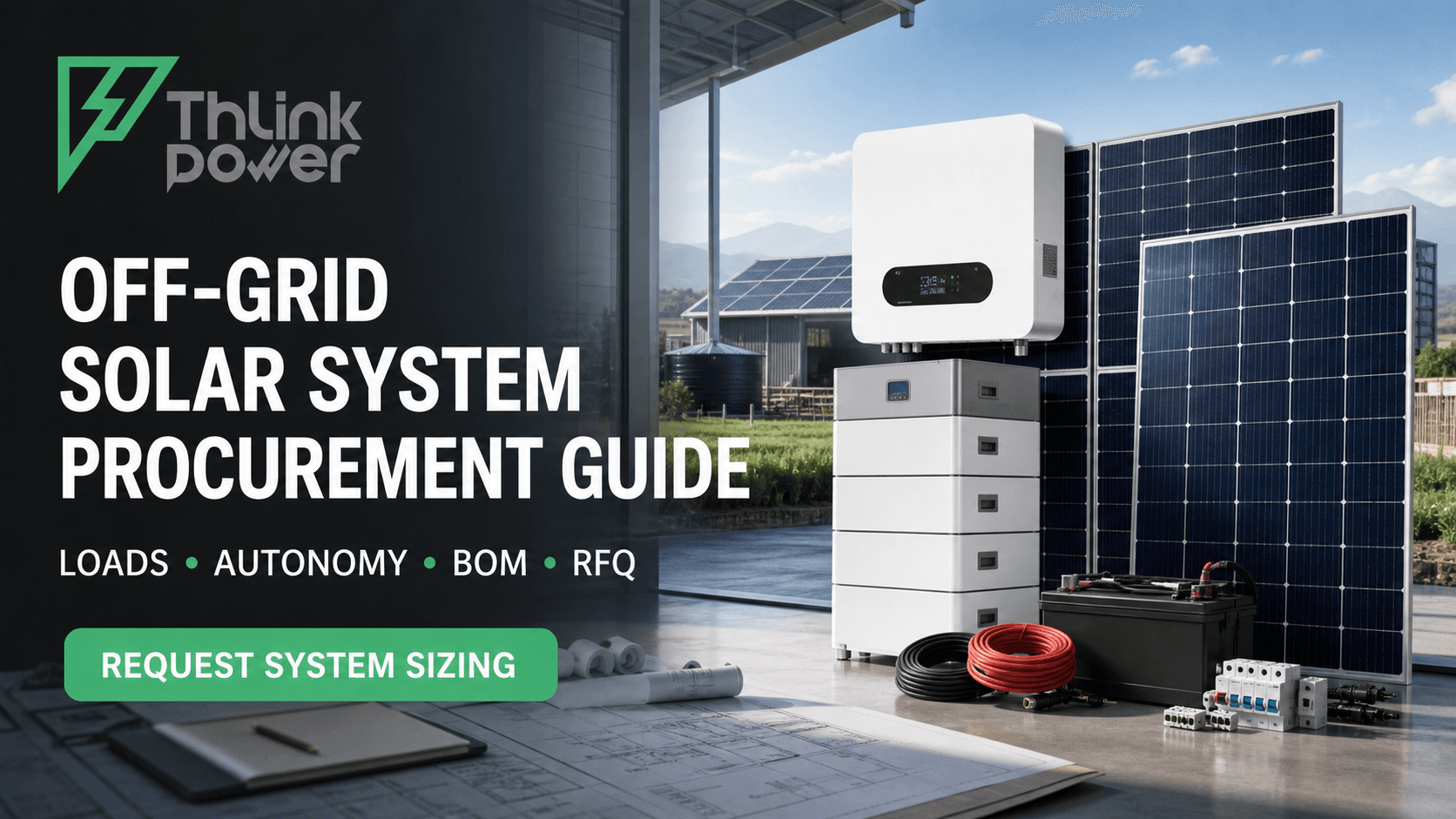
Off-Grid Projects: Paired with batteries, hybrid inverters power telecom towers, farms, and remote facilities without grid dependency.
This scalability makes inverters the foundation of every solar ecosystem, connecting panels, storage, and the grid seamlessly.
Cost, Maintenance, and Lifespan
While inverter prices vary with power and features, lifespan typically ranges 10–15 years with regular maintenance.
Essential care includes cleaning vents, checking cable insulation, and performing software updates.
Hybrid and grid-tied inverters cost slightly more upfront but reduce operational expenses through better energy utilization.
The total Levelized Cost of Energy (LCOE) is often 12–20% lower for systems using efficient hybrid inverters.
The Future of Solar and Power Inverters
The next generation of inverters focuses on:
-
AI-based energy forecasting for better load prediction
-
V2G (Vehicle-to-Grid) compatibility for EV integration
-
Modular architecture for scalable capacity upgrades
Thlinksolar continues investing in these innovations, combining reliable power electronics with smart control to enhance the sustainability of distributed energy systems worldwide.
Empowering Energy Independence
A well-designed solar and power inverter is more than a hardware component—it’s the brain and heart of a self-sustaining energy system.
By converting, managing, and optimizing power flow, it empowers both homes and industries to achieve independence from volatile grids and rising energy costs.
For OEM partnerships, export inquiries, or system recommendations, visit Thlinksolar.com or contact our technical team.