Tip For Choosing Inverters That You Absolutely Can't Miss
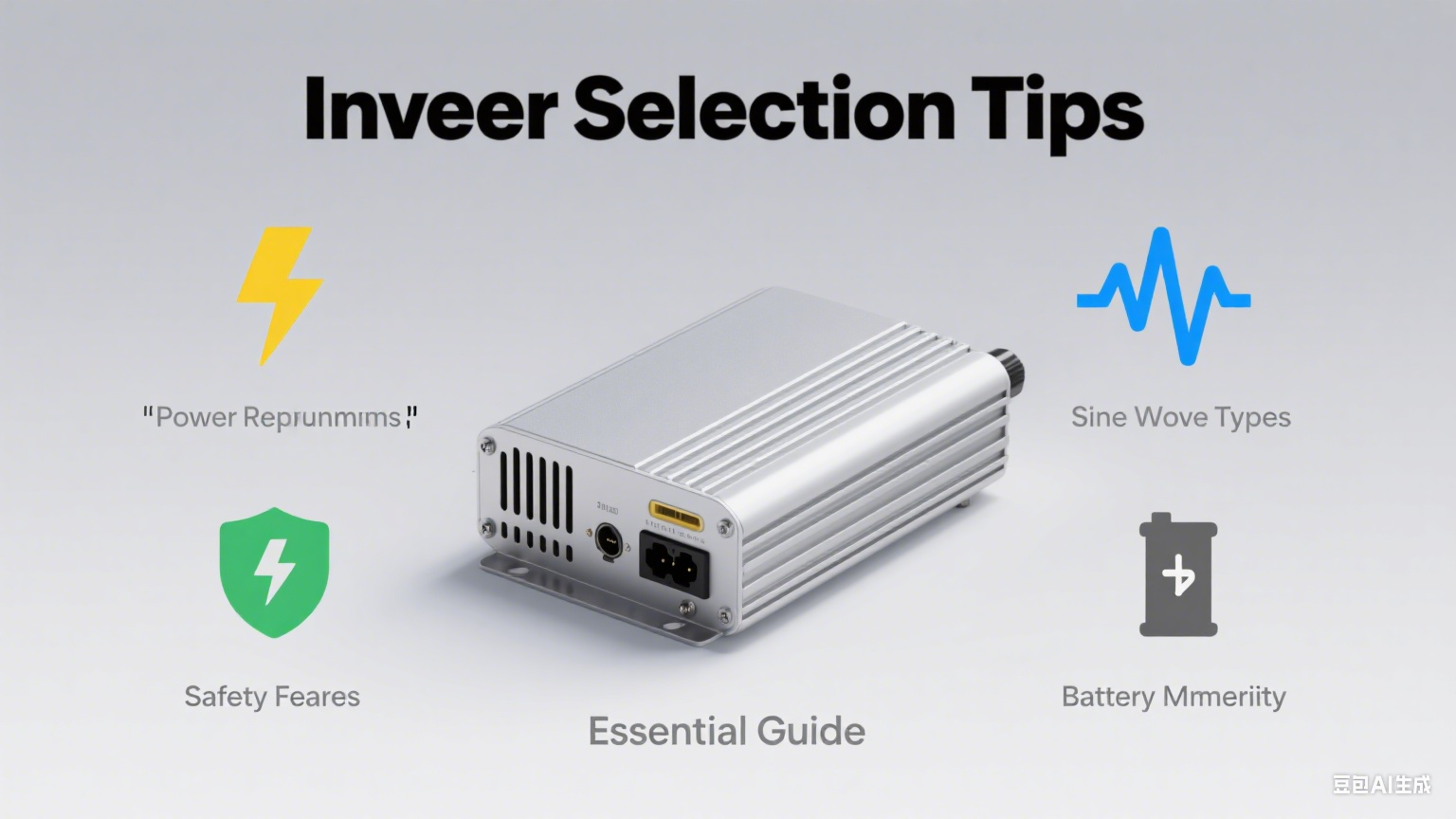
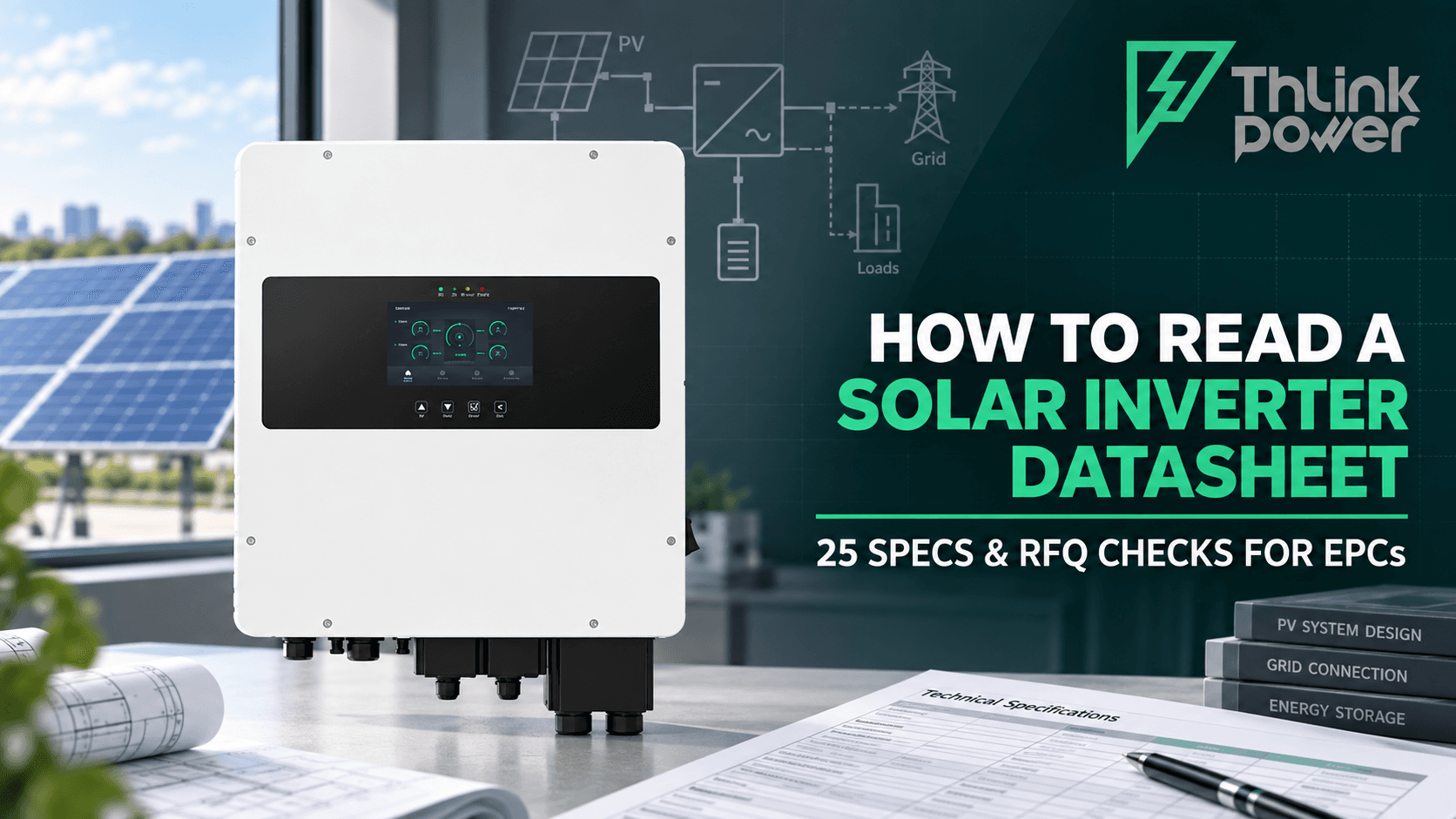
When it comes to selecting inverters for your electrical systems, whether it's for a home solar setup, an off-grid power solution, or even for commercial applications, making the right choice is crucial. An inverter is the heart of your power conversion system, and choosing the wrong one can lead to inefficiencies, increased costs, and even potential safety hazards. Here are some essential tips that you absolutely can't miss when choosing an inverter.
1. Understand Your Power Requirements
Before you even start looking at different models, you need to have a clear understanding of your power needs. This involves calculating the total wattage of all the devices you plan to run simultaneously. For example, if you have a refrigerator that draws 500 watts, a television at 100 watts, and a few lights at 50 watts each, you need to add these up. Don't forget to consider peak power requirements, as some appliances like air conditioners or washing machines may draw significantly more power during startup. It's generally a good idea to choose an inverter with a capacity that is slightly higher than your calculated total wattage to account for these peaks and future additions.
2. Pure Sine Wave vs. Modified Sine Wave
Inverters come in two main types: pure sine wave and modified sine wave. Pure sine wave inverters produce a smooth, continuous electrical waveform that closely mimics the power supplied by utility companies. This type of inverter is essential for sensitive electronics such as computers, medical equipment, and high-quality audio systems. On the other hand, modified sine wave inverters are less expensive but produce a less refined waveform. While they can work for basic appliances like lights and simple motors, they may cause issues with more sophisticated devices, leading to reduced performance or even damage. If you plan to power a wide range of devices, especially those that are sensitive to power quality, investing in a pure sine wave inverter is highly recommended.
3. Efficiency Matters
The efficiency of an inverter is a critical factor to consider. An efficient inverter will convert more of the input power (from batteries or solar panels) into usable AC power, minimizing energy losses. Look for inverters with high efficiency ratings, typically above 90%. Higher efficiency not only means more power for your devices but also reduced heat generation, which can extend the lifespan of the inverter. Additionally, consider the inverter's efficiency across different load levels. Some inverters may be highly efficient at full load but drop significantly in efficiency when running at lower loads, which is a common scenario in many applications.
4. Check the Battery Compatibility
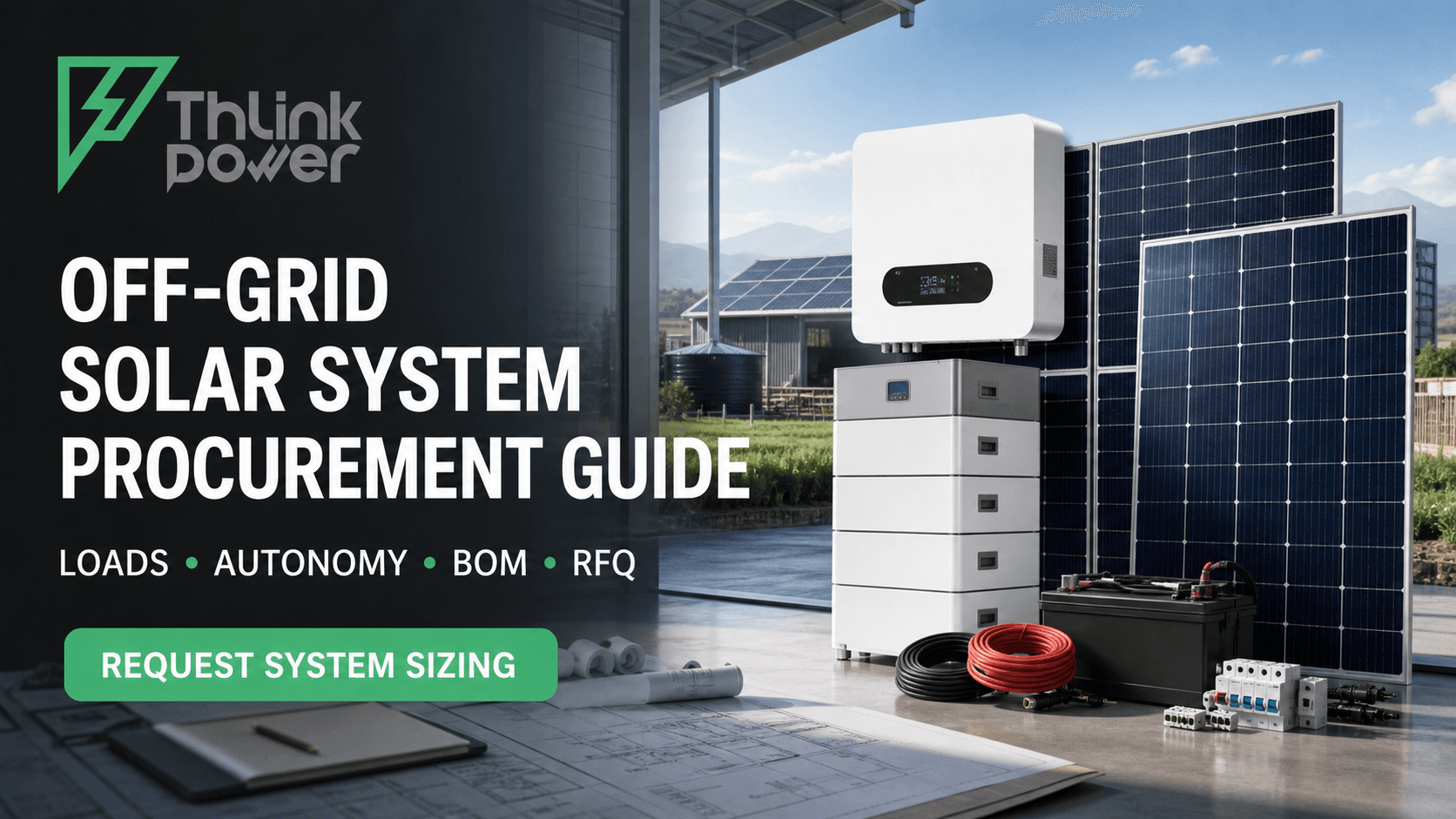
If your inverter is part of a battery-based system, such as an off-grid solar setup, it's crucial to ensure compatibility with your battery type. Inverters are designed to work with specific types of batteries, such as lead-acid, lithium-ion, or nickel-cadmium. Each battery type has different voltage ranges and charging characteristics. For example, lithium-ion batteries require precise voltage control to avoid overcharging and maintain longevity. Make sure the inverter you choose is compatible with your battery type and can handle the voltage range and charging requirements effectively. This will not only ensure optimal performance but also prevent damage to your batteries, which can be a significant investment.
5. Look for Safety Features
Safety should never be compromised when it comes to electrical equipment. A good inverter should come with a range of safety features to protect both the equipment and the user. These features may include overvoltage protection to prevent damage from voltage spikes, short-circuit protection to avoid electrical fires, and overtemperature protection to shut down the inverter if it gets too hot. Additionally, look for inverters that comply with relevant safety standards and certifications, such as UL (Underwriters Laboratories) or CE (Conformité Européenne) marks. These certifications indicate that the inverter has been tested and meets specific safety requirements.
6. Consider the Brand and Warranty
The brand and warranty of the inverter are important indicators of its quality and reliability. Established brands with a good reputation are more likely to produce high-quality inverters that have been tested and refined over time. They also tend to offer better customer support and after-sales service. When purchasing an inverter, check the warranty period and what it covers. A longer warranty period generally indicates the manufacturer's confidence in the product. Additionally, consider the availability of replacement parts and service centers in your area. This can be particularly important if you need repairs or maintenance down the line.
7. Noise Levels
Depending on where you plan to install the inverter, noise levels can be a significant consideration. Some inverters, especially those with cooling fans, can produce a noticeable amount of noise. If you're installing the inverter in a residential area or near living spaces, look for models that are designed to operate quietly. Inverters with advanced cooling systems or those that use passive cooling (without fans) are generally quieter and more suitable for such environments. Reducing noise can enhance the overall comfort and usability of your electrical system.
8. Additional Features
Modern inverters come with a variety of additional features that can enhance their functionality and convenience. Some inverters offer remote monitoring and control capabilities, allowing you to check the system's status and make adjustments from a smartphone or computer. Others may have built-in surge protectors or advanced energy management systems that optimize power usage. Consider what features are important for your specific application and budget. For example, if you live in an area prone to power outages, an inverter with an automatic transfer switch that seamlessly switches between grid power and backup power can be extremely useful.
Conclusion
Choosing the right inverter is a decision that can have a significant impact on the performance, reliability, and safety of your electrical system. By carefully considering factors such as power requirements, waveform type, efficiency, battery compatibility, safety features, brand reputation, noise levels, and additional functionalities, you can make an informed choice that meets your needs and provides long-term value. Remember, investing in a high-quality inverter may cost more upfront, but it can save you money and hassle in the long run by ensuring efficient power conversion, protecting your devices, and providing reliable performance.
For more information on photovoltaic technology, please visithttps://youtu.be/JB56vgBNr6E?si=48ZjW1I9exvg7s-o for detailed content.