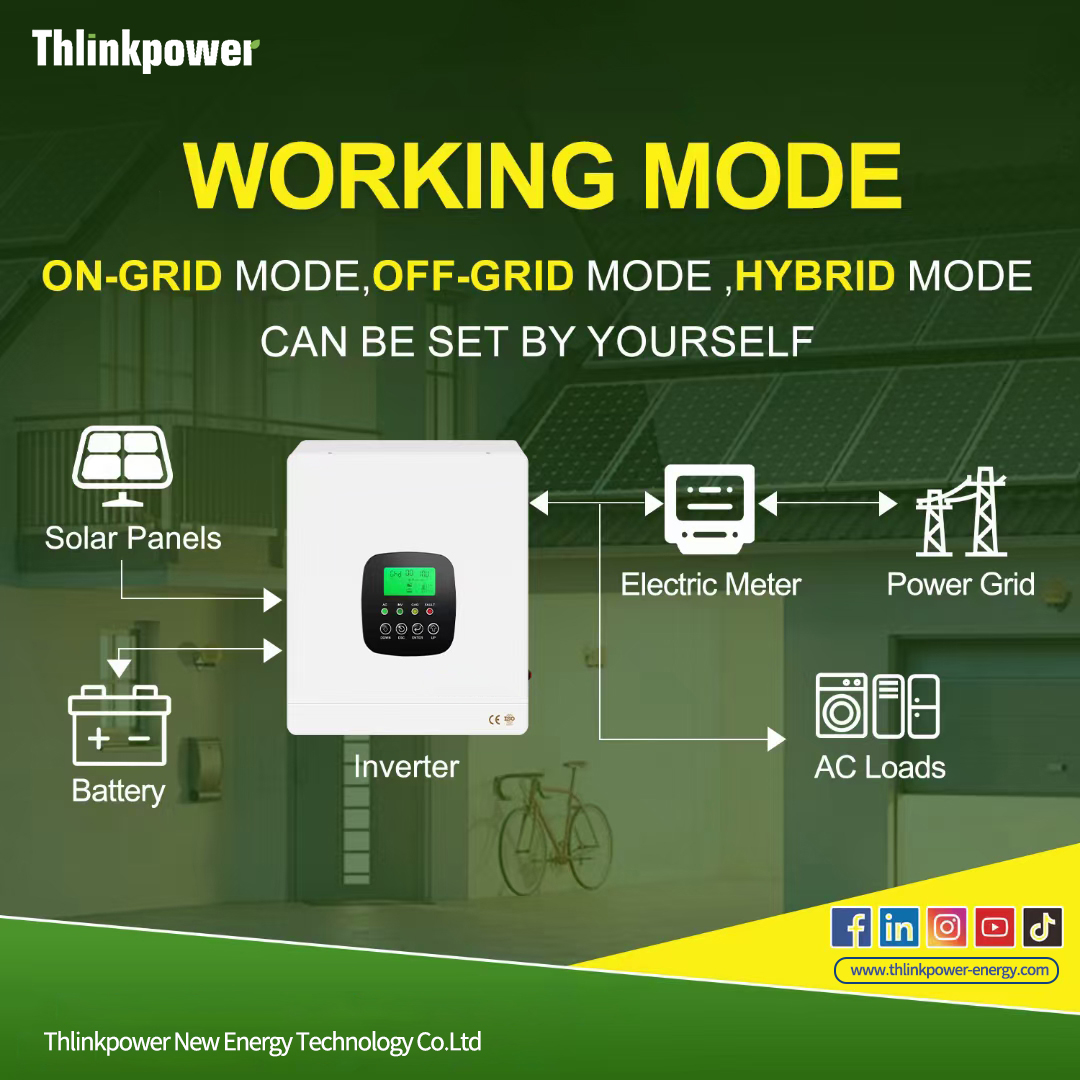
Balancing Power and Flexibility: The Engineering Behind a 6kW Hybrid Solar Inverter
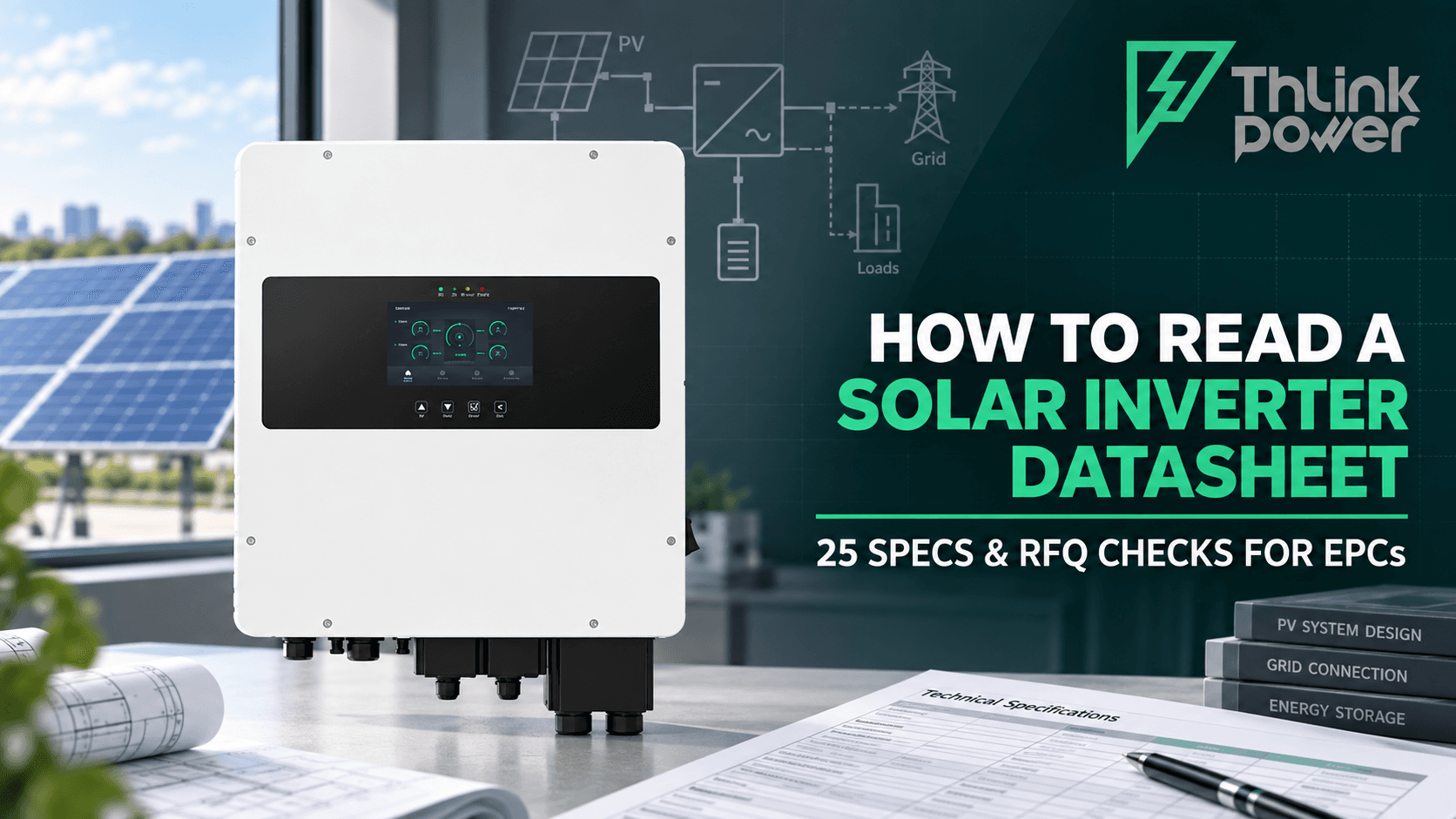
In the modern energy landscape, the 6kW hybrid solar inverter represents the ideal balance between autonomy and stability.
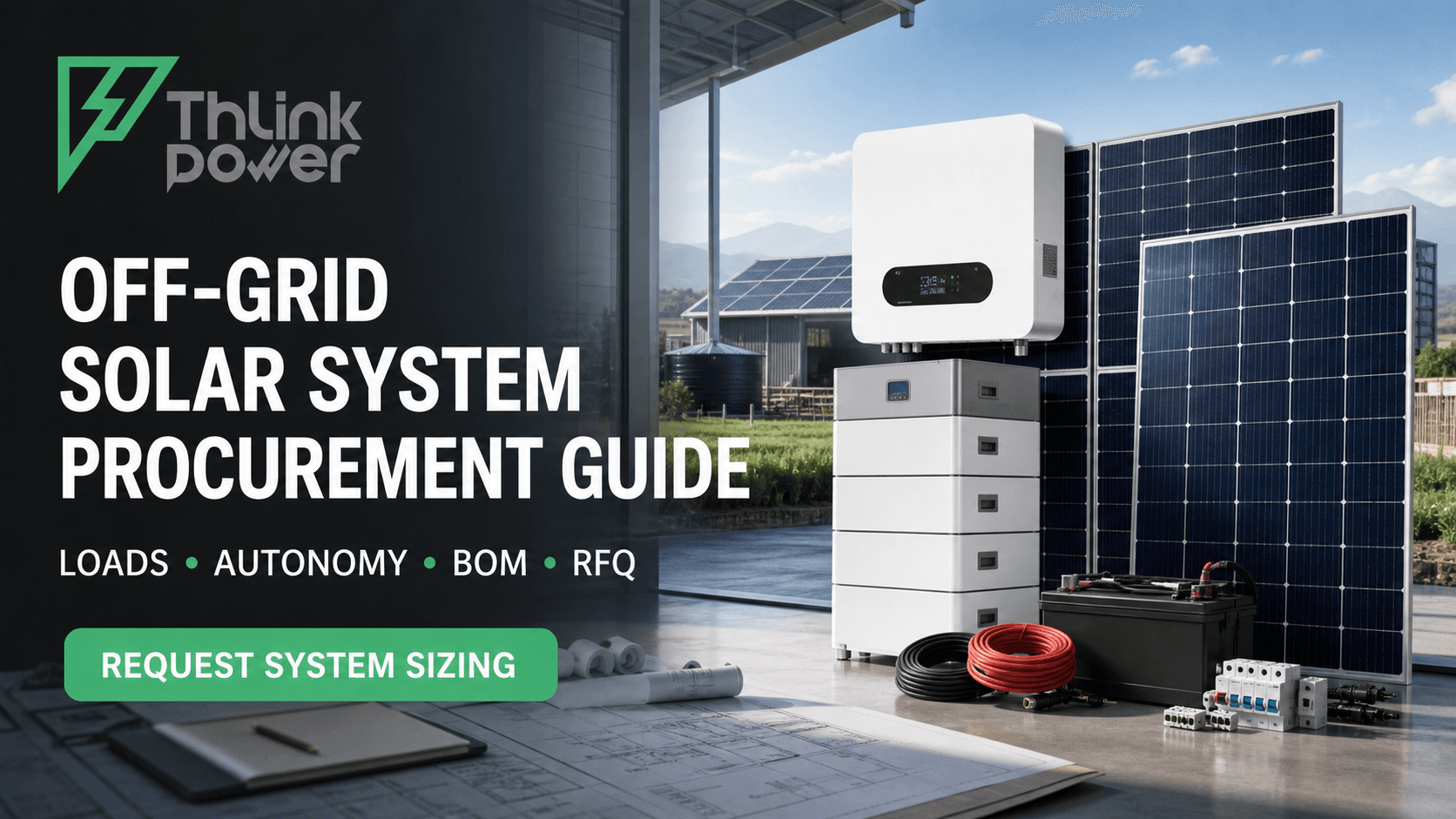
It offers homeowners, small businesses, and rural installations the ability to generate, store, and manage energy efficiently—whether connected to the grid or fully independent.
This inverter capacity sits at a unique technical sweet spot: powerful enough to handle multiple high-consumption loads, yet compact enough for single-phase installation. The result is a reliable bridge between renewable generation, battery storage, and intelligent power management.
The Core Principle: Hybrid Conversion at Work
Traditional inverters simply convert solar DC to grid-compatible AC. A hybrid inverter, however, does more—it manages energy flow across multiple sources (solar panels, grid, and batteries) in real time.
Key operational stages include:
-
DC/AC Conversion: Converts photovoltaic output into usable AC power.
-
Battery Charging/Discharging: Stores surplus solar energy and releases it when demand spikes.
-
Grid Synchronization: Balances solar generation with grid import or export.
-
Smart Control Logic: Prioritizes energy sources based on load requirements and tariffs.
By combining these functions in one unit, hybrid inverters eliminate the need for external charge controllers, reducing both cost and system complexity.
Technical Features That Define a 6kW Hybrid Model
Modern hybrid inverters are more than power electronics—they’re compact intelligent systems.
Typical engineering highlights include:
-
Rated Output: 6kW continuous, 9kW peak (surge handling).
-
MPPT Range: 120–450V, enabling efficient operation under partial shading.
-
Battery Compatibility: LiFePO₄, lead-acid, and emerging sodium-ion options.
-
Efficiency: Up to 98.2% peak conversion.
-
Operating Temperature: -25°C to +60°C with derating protection.
-
Communication Protocols: RS485, CAN, Wi-Fi for remote monitoring.
These parameters allow flexibility across climates—from high-humidity coastal areas to arid industrial zones—while maintaining optimal power yield and safety compliance (CE, IEC, UL).
On-Grid vs. 6kW Hybrid Solar Inverter
| Feature | On-Grid Inverter | 6kW Hybrid Solar Inverter |
|---|---|---|
| Energy Storage | Not supported | Built-in battery management |
| Power Source | Solar + Grid only | Solar + Grid + Battery |
| Backup Supply | No | Yes (during grid failure) |
| Efficiency | 96–97% | 98%+ |
| Control Logic | Fixed feed-in | Dynamic priority scheduling |
| Application | Urban grid-tied | Residential, off-grid, hybrid setups |
This comparison illustrates why the hybrid model is becoming the mainstream choice for distributed energy users who seek both efficiency and resilience.
Application Scenarios: Where 6kW Hybrid Inverters Excel
A properly engineered 6kW system fits diverse energy environments:
-
Urban Residences: Supports household loads, air conditioning, and EV charging with energy backup.
-
Rural Communities: Delivers consistent power during unstable grid conditions.
-
Small Businesses: Reduces peak-time grid dependency and ensures uptime during outages.
-
Telecom and Healthcare Sites: Provides uninterrupted energy for mission-critical equipment.
In real projects, hybrid inverters have shown up to 25% lower annual electricity costs compared with grid-only systems, mainly due to time-shifted consumption and energy arbitrage.
How to Choose the Right 6kW Hybrid Solar Inverter
When selecting an inverter for export or installation, consider both electrical compatibility and functional scalability.
Below is a structured guide for practical evaluation:
1. Battery Integration Flexibility
Ensure the inverter supports multiple chemistry types (LiFePO₄, lead-acid) and offers adjustable voltage ranges.
2. Conversion Efficiency
Look for tested performance above 98% and confirm third-party certification (TÜV, SGS).
3. Grid Compliance
For export or multi-region installation, verify firmware adaptability to local grid codes (CE, UL, G98/G99, AS/NZS4777).
4. Communication and Monitoring
A robust monitoring system with mobile app or web access allows preventive maintenance and data transparency.
5. After-Sales Support
Reliable suppliers maintain firmware update portals and multilingual documentation for integrators.
| Selection Factor | Why It Matters | What to Check |
|---|---|---|
| Efficiency | Directly affects ROI | Test report >98% |
| Certification | Enables regional use | CE / UL / G98 / AS4777 |
| Battery Support | Increases flexibility | LiFePO₄, lead-acid, sodium-ion |
| Firmware Updates | Keeps system optimized | OTA / remote service |
| Warranty | Reflects quality confidence | Minimum 5 years |
A 6kW hybrid inverter isn’t just about rated capacity — it’s about system intelligence, compatibility, and field reliability under real-world conditions.
Frequently Asked Questions
Q1: Can a 6kW hybrid inverter operate completely off-grid?
Yes, when paired with sufficient battery capacity and solar array input, it can function independently from the utility grid.
Q2: What’s the recommended battery size for a 6kW system?
Typically 10–15kWh, depending on daily energy consumption and local sunlight hours.
Q3: How long is the expected lifespan?
Most inverters last 10–15 years with periodic firmware updates and heat management maintenance.
Q4: Can the inverter export energy back to the grid?
Yes. Hybrid systems can be configured for net metering or zero-export modes depending on regulations.
Q5: Is the 6kW inverter suitable for three-phase systems?
Some models support split-phase or limited three-phase connections; verify system specifications before purchase.
Smarter Energy, Sustainable Power
The 6kW hybrid solar inverter is more than a device—it’s the operational brain of distributed renewable systems.
By merging storage, grid synchronization, and smart analytics, it enables energy resilience and long-term cost efficiency.
At Thlinksolar, our hybrid inverter solutions are engineered for stability, scalability, and compliance with diverse global standards.
To explore technical specifications or request OEM cooperation, visit our homepage or contact us via the contact page.