Introduction
Solar energy systems have revolutionized how we produce and consume energy. As a renewable, cost-effective, and scalable solution, they are transforming energy consumption for homes, businesses, and industrial applications. If you're considering a solar energy system, this guide will walk you through its components, types, benefits, and practical applications.
What Is a Solar Energy System?
A solar energy system is a setup that generates electricity from sunlight. It captures solar energy using photovoltaic (PV) panels, converts it into usable electricity, and stores or distributes it for various applications. These systems can be customized to meet different energy needs, from residential to large-scale industrial operations.
Key Components of a Solar Energy System
- Solar Panels: Capture sunlight and convert it to electricity.
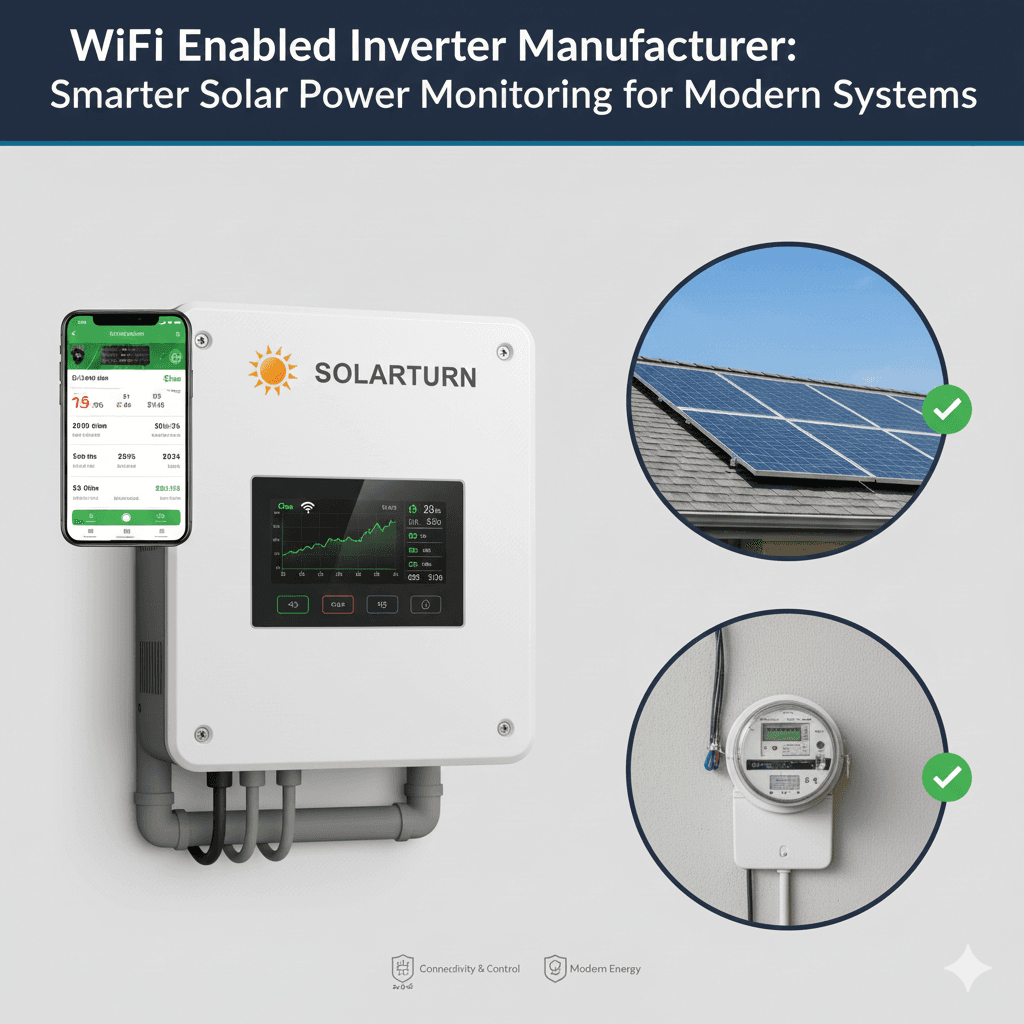
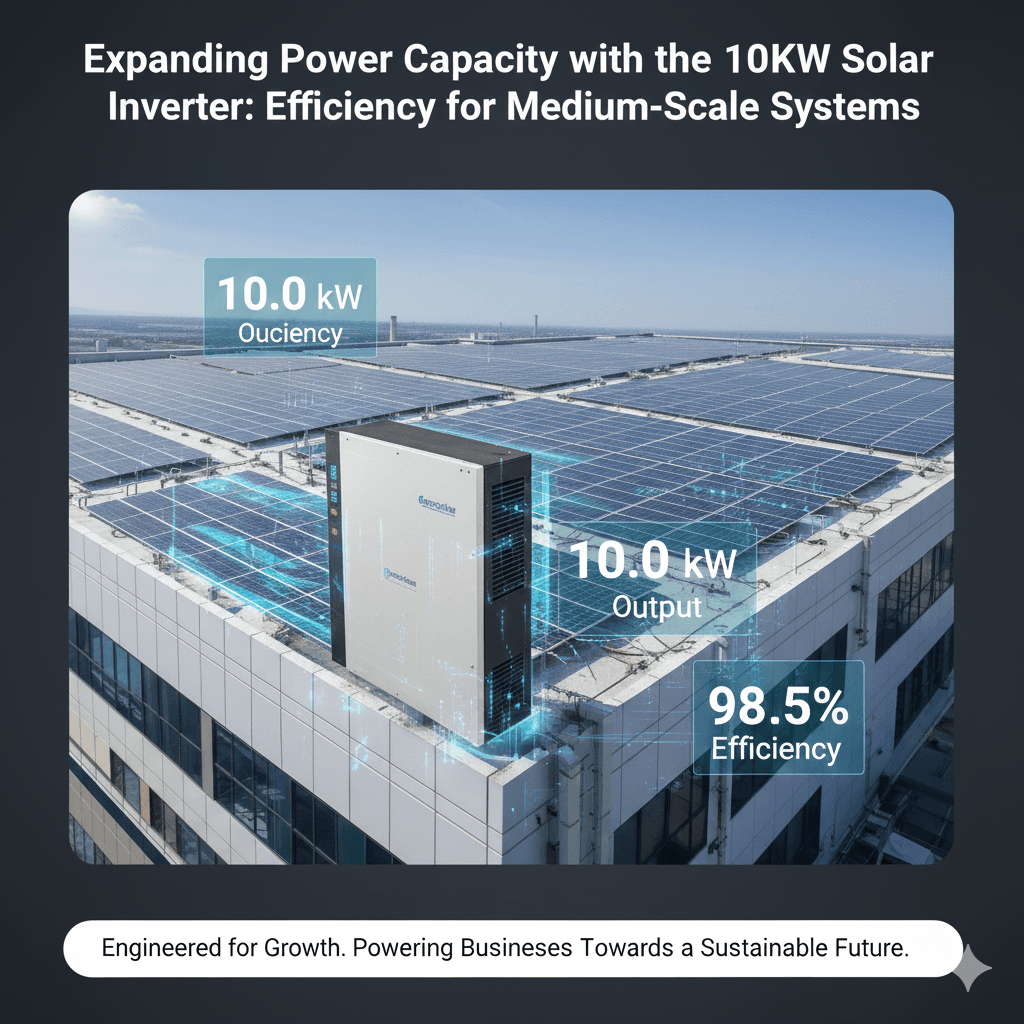
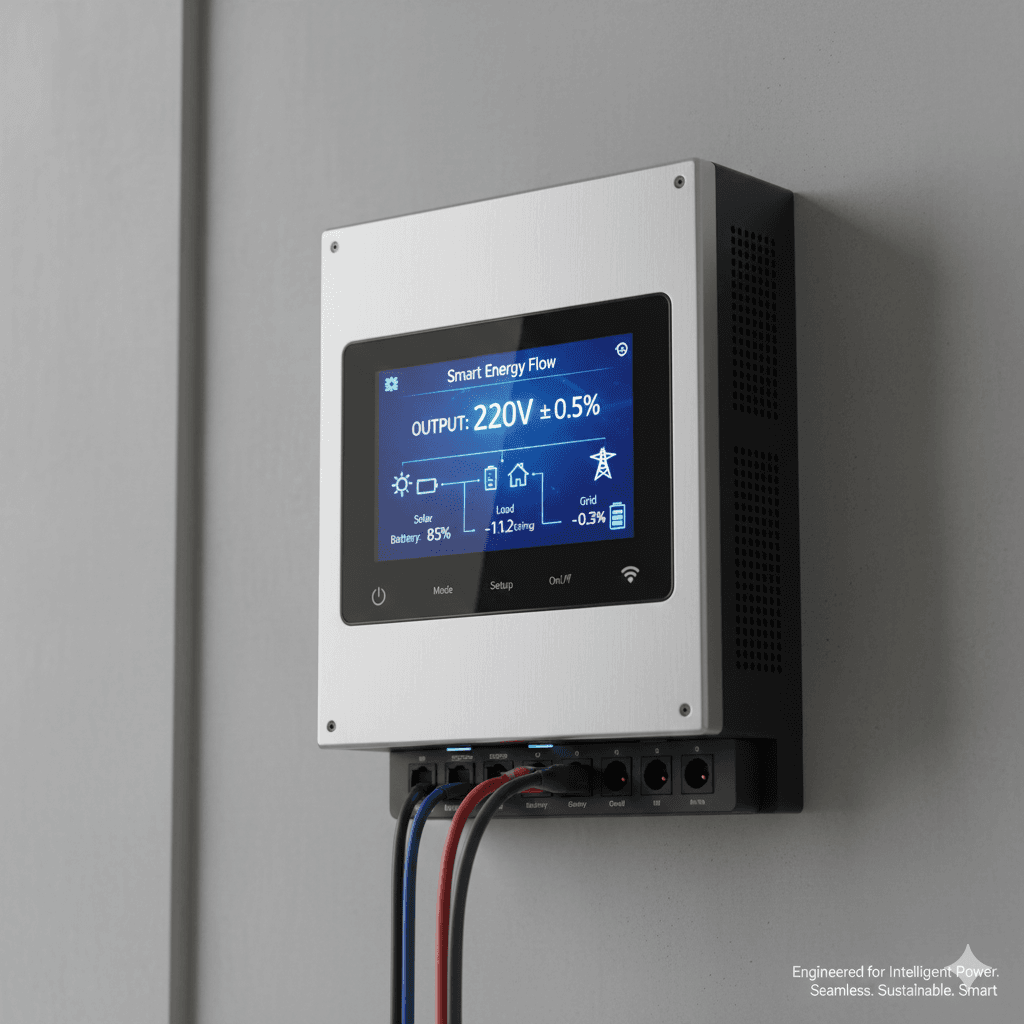
- Inverter: Converts direct current (DC) from panels into alternating current (AC), suitable for appliances.
- Solar Battery: Stores excess energy for use during non-sunny periods or power outages.
- Charge Controller: Regulates energy flow to protect batteries from overcharging.
- Monitoring System: Tracks energy production and usage in real-time.
Types of Solar Energy Systems
a. Grid-Tied Solar Energy Systems
- Description: These systems are connected to the utility grid. Excess energy generated is sent back to the grid, and users draw power from the grid when solar production is insufficient.
- Advantages:
- Lower upfront cost (no batteries required).
- Earn credits for excess energy through net metering.
- Best For: Urban homes and businesses with reliable grid access.
b. Off-Grid Solar Energy Systems
- Description: These systems operate independently of the grid, using batteries to store energy for later use.
- Advantages:
- Complete energy independence.
- Suitable for remote locations without grid connectivity.
- Best For: Rural homes, cabins, or industrial setups in isolated areas.
c. Hybrid Solar Energy Systems
- Description: A combination of grid-tied and off-grid systems, hybrid systems use batteries for storage while remaining connected to the grid for backup power.
- Advantages:
- Backup power during outages.
- Maximize energy utilization by storing and exporting surplus energy.
- Best For: Homes and businesses seeking energy reliability and flexibility.
Key Benefits of Solar Energy Systems
a. Cost Savings
- Solar energy reduces electricity bills significantly. With net metering, users can earn credits for exporting surplus energy back to the grid.
- Over time, the savings on energy bills can offset the initial installation costs.
b. Energy Independence
- Off-grid and hybrid systems ensure a reliable power supply even during grid outages or in areas without grid access.
c. Scalability
- Solar systems are modular, allowing users to expand their energy capacity as their needs grow.
d. Environmental Impact
- Solar energy is an eco-friendly alternative to fossil fuels, producing zero greenhouse gas emissions.
e. Low Maintenance
- Solar panels typically last 20–25 years, requiring minimal maintenance during their lifespan.
How to Design a Solar Energy System That Meets Your Needs
Designing a solar energy system involves several key considerations to ensure it meets your energy goals efficiently.
a. Assess Your Energy Consumption
- Analyze your monthly electricity usage (in kilowatt-hours, kWh).
- Identify peak energy usage periods to size your system appropriately.
b. Select the Right Components
- Solar Panels: High-efficiency panels are essential for maximizing energy output.
- Inverter: Choose an inverter type (grid-tied, off-grid, or hybrid) based on your energy setup.
- Batteries: If opting for storage, select lithium-ion batteries for their efficiency and long lifespan.
c. Evaluate Installation Conditions
- Assess available space (roof or ground-mounted area) and ensure it receives adequate sunlight throughout the day.
- Optimize the tilt and orientation of panels for maximum sunlight exposure.
d. Consider Budget and Incentives
- Solar systems may have a high upfront cost, but long-term energy savings and government incentives (e.g., tax credits or rebates) can make them a worthwhile investment.
Applications of Solar Energy Systems
a. Residential Solar Systems
- Power homes with clean energy, reducing electricity bills and increasing energy independence.
- Example: A family installs a 5kW grid-tied system that offsets 80% of their energy costs.
b. Commercial Solar Systems
- Businesses lower operational costs and meet sustainability goals by adopting solar energy.
- Example: A retail store installs a hybrid solar system with battery storage to reduce peak demand charges.
c. Industrial Solar Systems
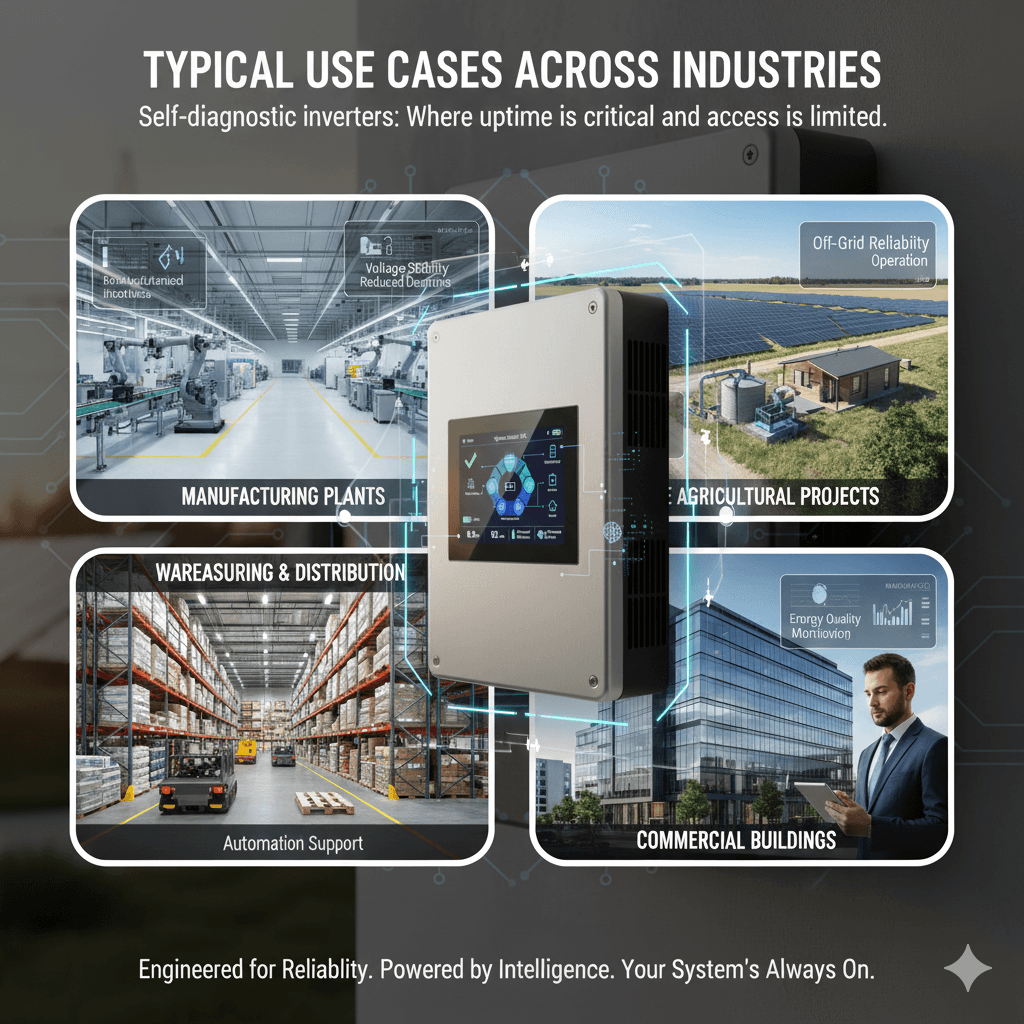
- Industrial facilities use large-scale solar systems to power heavy machinery and reduce reliance on fossil fuels.
- Example: A factory installs a 500kW off-grid solar system to power its operations in a remote location.
d. Portable Solar Systems
- Portable solar systems provide energy for RVs, camping, and emergency situations.
- Example: A traveler uses a portable solar kit to charge a battery pack for powering lights and small appliances.
Why Choose Thlinkpower Solar Energy Systems?
At Thlinkpower, we deliver innovative solar energy solutions tailored to your energy needs.
Our Advantages
- High-Performance Systems: Industry-leading efficiency and durability.
- Custom Solutions: Systems designed for residential, commercial, and industrial applications.
- Certified Quality: TÜV and CE-certified products for safety and reliability.
- Comprehensive Support: From consultation to installation, we’re with you every step of the way.
Popular Products
- Residential Solar Kits: Scalable and cost-effective systems for homes.
- Commercial Solar Power Solutions: Designed to meet the energy demands of businesses.
- Off-Grid Solar Systems: Reliable energy solutions for remote areas.
Frequently Asked Questions
Q1: How long do solar energy systems last?
Solar panels typically last 20–25 years, while inverters and batteries may need replacement after 10–15 years.
Q2: Can I expand my solar energy system later?
Yes, solar systems are modular and can be scaled by adding more panels, batteries, or inverters.
Q3: What happens during cloudy days?
Solar systems still generate energy during cloudy days, though at reduced efficiency. Batteries can store energy for such periods.
Q4: How much does a solar energy system cost?
The cost depends on the system size and components. Residential systems typically range from $10,000 to $20,000 before incentives.
Q5: Are there government incentives for solar installation?
Many countries offer tax credits, rebates, or grants to encourage solar adoption. Check your local programs for details.
Contact Us
Ready to invest in a solar energy system? Thlinkpower is here to help you every step of the way.
- Phone: +86-18157449065
- Email: thlink5@thlinkpower.com
- Address: Lijiaqiao Village, Gulin Town, Haishu District, Ningbo City, Zhejiang Province
- Website: [https://xl-b.pinshop.com/]