What Are Lithium-Ion Batteries?
Lithium-ion batteries are rechargeable batteries commonly used in solar energy systems to store excess solar power for later use. They are favored for their high energy density, efficiency, and long lifespan compared to other types of batteries, such as lead-acid. These batteries are pivotal in enabling solar systems to operate at night, during cloudy weather, or in off-grid scenarios.
Why Lithium-Ion Batteries for Solar Energy?
The popularity of lithium-ion batteries in solar energy systems is due to their ability to complement the intermittent nature of solar power. By storing energy generated during peak sunlight hours, they ensure a continuous and reliable energy supply for homes, businesses, and industrial facilities.
Components of a Lithium-Ion Battery
To better understand their efficiency and reliability, let’s break down the basic components of a lithium-ion battery:
- Cathode: Determines the battery’s capacity and voltage.
- Anode: Stores lithium ions during charging.
- Electrolyte: Facilitates the movement of lithium ions between the cathode and anode.
- Separator: Prevents direct contact between the cathode and anode, ensuring safety.
These components work together to deliver high energy density and fast charging capabilities.
Pros and Cons of Lithium-Ion Batteries
Lithium-ion batteries offer numerous advantages over traditional battery technologies, but they also come with certain limitations.
Pros of Lithium-Ion Batteries
1. High Energy Density
- Lithium-ion batteries store a large amount of energy in a compact size, making them ideal for installations where space is limited, such as residential rooftops or portable systems.
2. High Efficiency
- These batteries boast a round-trip efficiency of 90–95%, meaning minimal energy is lost during storage and retrieval.
3. Long Lifespan
- With proper maintenance, lithium-ion batteries can last for 10–15 years or support 2,000–5,000 charge cycles, making them a cost-effective option in the long term.
4. Lightweight and Compact Design
- Lithium-ion batteries are significantly lighter and smaller than alternatives like lead-acid, making them easier to install and transport.
5. Low Maintenance
- Lithium-ion batteries require virtually no maintenance compared to lead-acid batteries, which need regular water level checks and periodic equalization.
6. Scalability
- Lithium-ion systems are modular, allowing users to expand their energy storage capacity as their energy needs grow.
7. Fast Charging
- These batteries can charge quickly, ensuring they store maximum solar energy during limited sunlight hours.
8. Eco-Friendly
- While not entirely free of environmental impact, lithium-ion batteries are more sustainable than lead-acid batteries due to their longer lifespan and recyclability.
Cons of Lithium-Ion Batteries
1. Higher Initial Cost
- Lithium-ion batteries are more expensive upfront than traditional battery types. However, their long lifespan and efficiency often justify the investment over time.
2. Sensitivity to Temperature
- These batteries are sensitive to extreme temperatures. Performance can degrade in very hot or cold environments without proper climate control.
3. Fire Risk
- In rare cases, lithium-ion batteries can overheat and catch fire if damaged or improperly managed. However, modern battery management systems (BMS) mitigate this risk.
4. Limited Recycling Infrastructure
- While lithium-ion batteries are recyclable, the process is still developing, and not all regions have adequate recycling facilities.
5. Dependence on Rare Materials
- Lithium-ion batteries rely on materials like lithium, cobalt, and nickel, which are finite resources and can have environmental and ethical sourcing challenges.
Applications of Lithium-Ion Batteries in Solar Energy Systems
Lithium-ion batteries are versatile and can be used in a variety of solar energy applications:
a. Residential Use
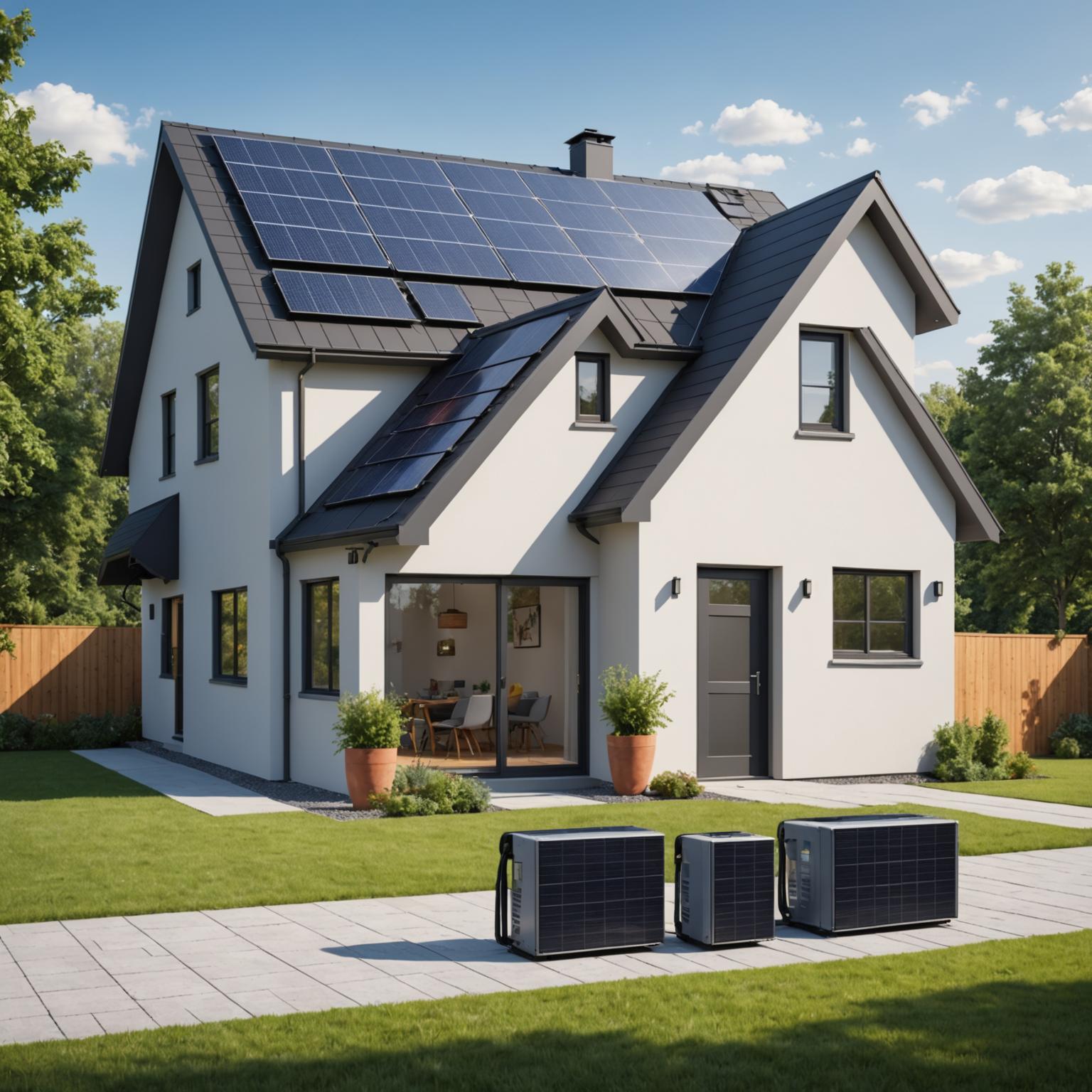
- Homeowners use lithium-ion batteries to store solar energy for night-time use or during power outages.
- Example: A family installs a 10kWh lithium-ion battery system to power essential appliances at night while reducing reliance on the grid.
b. Commercial Use
- Businesses integrate lithium-ion batteries to reduce energy costs by storing solar energy during off-peak hours and using it during peak demand times.
- Example: A retail store uses a hybrid solar system with lithium-ion batteries to offset energy costs and ensure backup power during outages.
c. Industrial Use
- Factories and warehouses use large-scale lithium-ion battery systems to store solar energy and power operations during non-sunny hours.
- Example: An industrial plant installs a 500kWh lithium-ion battery system to support energy-intensive equipment.
d. Off-Grid Systems
- In remote areas without access to the utility grid, lithium-ion batteries provide a reliable energy storage solution for solar power systems.
- Example: A cabin in a remote location uses an off-grid solar system with lithium-ion batteries to power lighting, refrigeration, and communication devices.
e. Portable Solar Solutions
- Portable lithium-ion batteries are used in RVs, camping, and emergency kits for reliable off-grid power.
- Example: Campers use a portable lithium-ion battery pack to charge devices and power small appliances during trips.
Why Choose Thlinkpower Lithium-Ion Batteries?
At Thlinkpower, we specialize in designing advanced lithium-ion batteries tailored for solar energy systems.
Our Advantages
- High Performance: Industry-leading efficiency and durability.
- Custom Solutions: Batteries designed for residential, commercial, and industrial applications.
- Safety First: Advanced battery management systems (BMS) for reliable and safe operation.
- Certified Quality: TÜV and CE-certified products to meet global standards.
Popular Products
- Thlinksolar Rechargeable Lithium-Ion Batteries: Perfect for small-scale residential use.
- Thlinkpower High-Capacity Batteries: Designed for large-scale commercial and industrial applications.
- Thlinksolar Portable Battery Packs: Lightweight and ideal for off-grid and mobile systems.
Frequently Asked Questions
Q1: How long do lithium-ion batteries last?
Lithium-ion batteries typically last 10–15 years or support 2,000–5,000 charge cycles.
Q2: Are lithium-ion batteries safe?
Yes, with advanced battery management systems, modern lithium-ion batteries are safe and reliable.
Q3: Can lithium-ion batteries work in extreme climates?
Lithium-ion batteries perform best in moderate temperatures, but certain models are designed to handle extreme conditions.
Q4: How do I recycle lithium-ion batteries?
Check with local recycling programs or manufacturers for proper disposal and recycling options.
Q5: Are lithium-ion batteries worth the cost?
While the initial cost is high, their long lifespan, efficiency, and low maintenance make them a cost-effective choice over time.
Contact Us
Ready to invest in lithium-ion batteries for your solar energy system? Thlinkpower is here to help.
- Phone: +86-18157449065
- Email: thlink5@thlinkpower.com
- Address: Lijiaqiao Village, Gulin Town, Haishu District, Ningbo City, Zhejiang Province
- Website: [https://xl-b.pinshop.com/contact-us]