What Is a Solar Inverter?
A solar inverter is a critical component of any solar energy system. Its main role is to convert the direct current (DC) electricity generated by solar panels into alternating current (AC) electricity, which powers appliances, equipment, and the grid. Without an inverter, the energy harvested from your solar panels cannot be used effectively.
Types of Solar Inverters
The type of solar inverter you choose depends on your specific energy needs, location, and system design. Here’s a breakdown of the three main types:
a. Grid-Tie Solar Inverters
- Purpose: Grid-tie inverters are designed for systems connected to the utility grid.
- Key Features:
- Export excess electricity to the grid for credits or income.
- Automatically shut down during grid outages to ensure safety.
- Best For: Homes and businesses in urban areas with reliable grid access.
- Example Use Case: A small business that generates solar energy during the day and exports surplus power to reduce electricity bills.
b. Off-Grid Solar Inverters
- Purpose: Off-grid inverters are used in systems that are completely independent of the utility grid.
- Key Features:
- Paired with battery storage to ensure continuous power supply.
- Suitable for remote or rural areas with no grid access.
- Best For: Rural homes, cabins, or industrial sites in isolated locations.
- Example Use Case: A rural farm using solar panels and batteries to power irrigation systems without grid dependency.
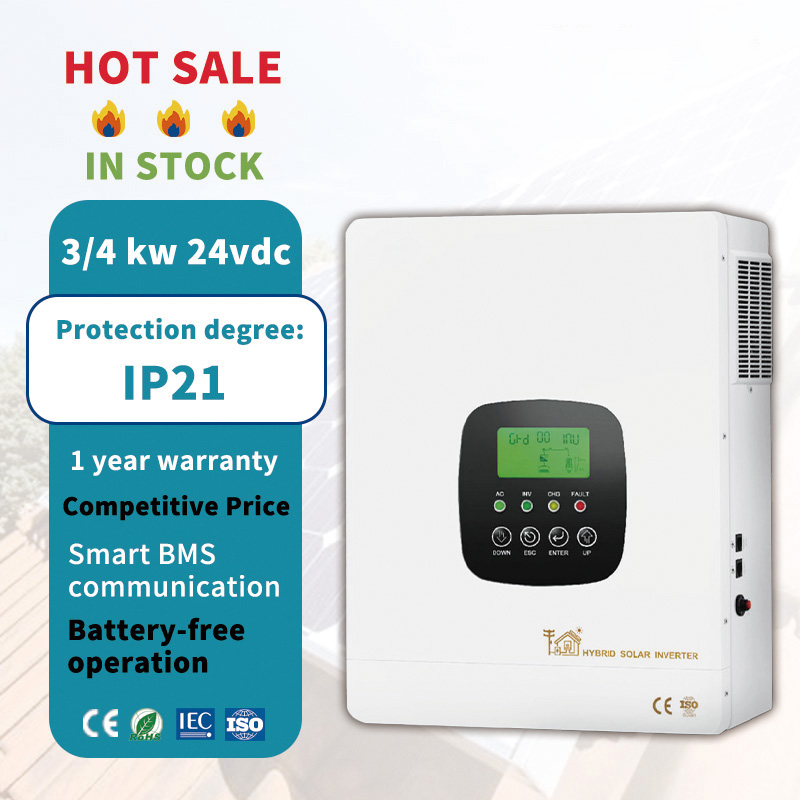
c. Hybrid Solar Inverters
- Purpose: Hybrid inverters combine the benefits of both grid-tie and off-grid systems.
- Key Features:
- Store energy in batteries while remaining connected to the grid.
- Provide backup power during outages.
- Best For: Small businesses or households looking for energy independence with grid backup as a supplement.
- Example Use Case: A family home that stores solar energy during the day and uses it at night while staying connected to the grid for emergencies.
Key Factors to Consider When Choosing a Solar Inverter
Selecting the right inverter requires careful consideration of your energy requirements, budget, and system design. Here are the key factors to keep in mind:
a. Energy Efficiency
- Look for inverters with high conversion efficiency (above 95%).
- High-efficiency inverters reduce energy loss and maximize system output.
- Example: Thlinkpower’s High-Efficiency Solar Inverters are TÜV and CE-certified, ensuring optimal performance.
b. System Size and Compatibility
- Ensure the inverter is compatible with the size and voltage of your solar panel array and battery system.
- Choose an inverter that can handle your energy output and storage needs.
c. Load Management
- Consider whether the inverter can handle the types of loads you need to power (e.g., heavy industrial equipment vs. household appliances).
d. Certification and Safety
- Check for industry-standard certifications like TÜV and CE to ensure safety and reliability.
- Certified inverters provide peace of mind and meet global regulatory requirements.
e. Budget and ROI
- Evaluate the cost of the inverter in relation to the energy savings it will provide over time.
- Hybrid inverters may have a higher upfront cost but offer long-term flexibility and savings.
Why Choose Thlinkpower Solar Inverters?
At Thlinkpower, we offer a wide range of solar inverters tailored to meet the needs of various users, from homeowners to industrial facilities.
Our Advantages:
- High Efficiency: Conversion rates exceeding 97%.
- Customizable Solutions: Grid-tie, off-grid, and hybrid options available.
- Certified Quality: All inverters are TÜV and CE-certified for safety and reliability.
- Global Support: Trusted by customers in over 100 countries.
- Affordable Options: Competitive pricing without compromising quality.
Popular Products:
- Thlinkpower Off-Grid Inverters: Reliable power for rural areas.
- Thlinksolar Hybrid Inverters: Ideal for small businesses and homes.
- Thlinkpower Grid-Tie Inverters: Designed for efficient grid integration.
Frequently Asked Questions
Q1: What size solar inverter do I need?
The size of the inverter depends on the total wattage of your solar panel system. For example, a 5kW system will typically require a 5kW inverter.
Q2: Can I use a grid-tie inverter in an off-grid system?
No, grid-tie inverters require a connection to the utility grid to function. For off-grid systems, you’ll need an off-grid or hybrid inverter.
Q3: How long do solar inverters last?
Most solar inverters have a lifespan of 10–15 years. Hybrid and off-grid inverters may have a shorter lifespan due to increased usage, but regular maintenance can extend their durability.
Contact Us
Ready to invest in a solar inverter for your home, business, or off-grid application? Thlinkpower is here to help.
- Phone: +86-18157449065
- Email: thlink5@thlinkpower.com
- Address: Lijiaqiao Village, Gulin Town, Haishu District, Ningbo City, Zhejiang Province
- Website: https://xl-b.pinshop.com/