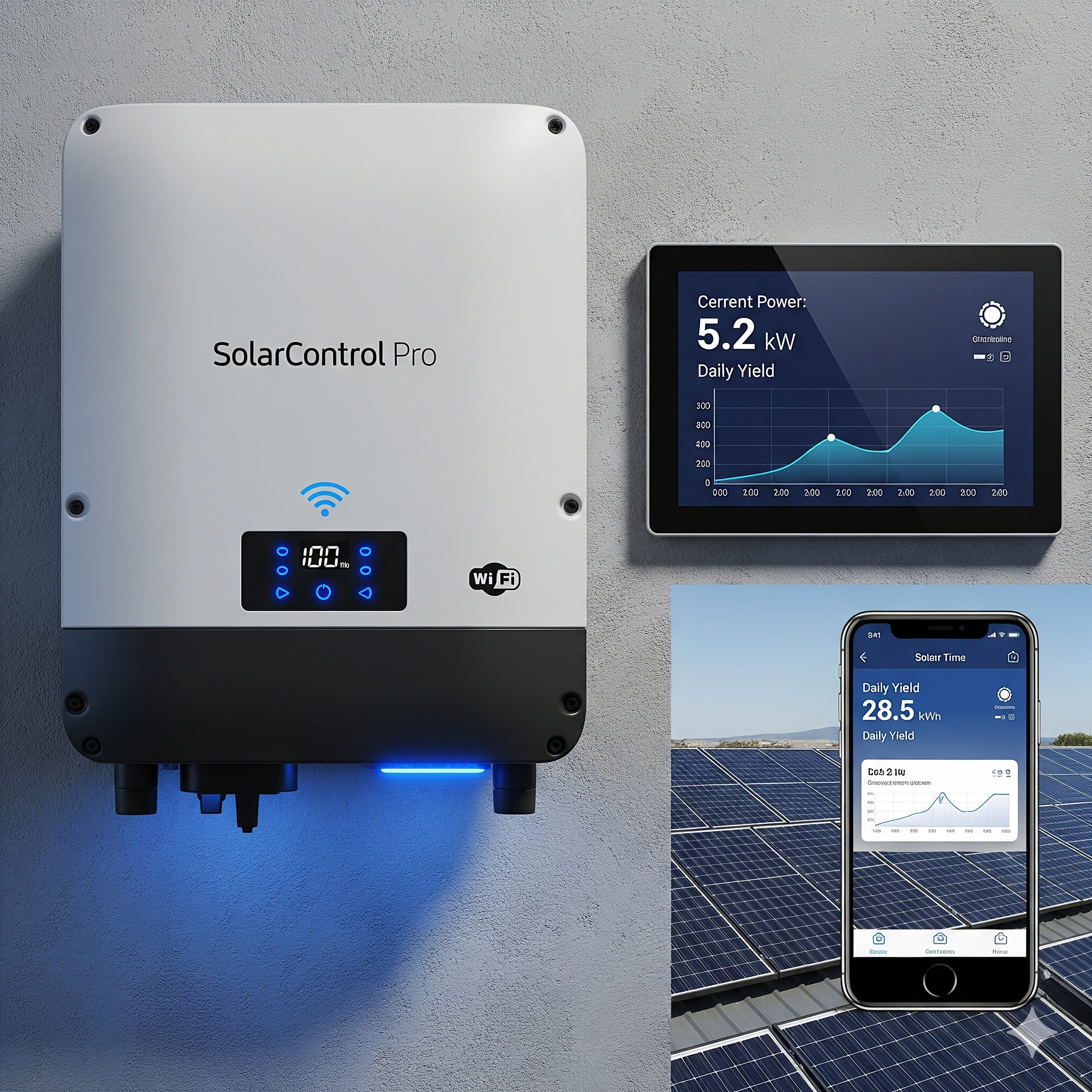
Dual Input Solar Inverter: Smarter Power Control for Hybrid Energy Systems
As global demand for stable, uninterrupted power grows, hybrid energy systems are becoming essential. A dual input solar inverter stands at the center of this transition, managing two power sources—typically solar and grid, or solar and generator—within one compact control unit.
Thlinksolar, as a global solar inverter exporter, has engineered dual input architectures that offer flexibility, fault tolerance, and seamless energy continuity, making them ideal for both residential backup and commercial operations.
The Concept Behind Dual Input Systems
A dual input inverter operates by accepting two DC or AC sources, prioritizing solar power while maintaining a secondary source for backup.
Typical configuration:
-
Input A: Solar panels via DC connection
-
Input B: AC from the grid or diesel generator
When sunlight is strong, the inverter draws power directly from solar panels. If irradiance drops or the grid fails, it automatically switches to the secondary source without interrupting the output supply.
According to the International Energy Agency (IEA), hybrid and dual-source inverter systems can reduce blackout time by 95% in regions with unstable grids.
This dual-path design ensures that critical loads—such as lighting, servers, or medical equipment—remain powered around the clock.
Working Mechanism and Power Flow
The dual input solar inverter uses advanced Automatic Source Switching (ASS) logic and digital synchronization circuits to manage transitions between sources in milliseconds.
Power flow stages:
-
DC Input from Solar – Primary energy converted via MPPT (Maximum Power Point Tracking).
-
AC Backup Input – Grid or generator power automatically takes over when solar generation drops.
-
Inversion and Output Regulation – DSP-controlled waveform stabilization ensures continuous, balanced output.
-
Real-Time Feedback – Integrated sensors monitor voltage, load, and temperature for safe operation.
The system prevents back-feeding between inputs through anti-reverse protection, preserving both inverter and generator integrity.
Applications and Use Cases
Dual input inverters are widely adopted across multiple sectors:
-
Residential Homes: Ensures uninterrupted power during grid outages or cloudy days.
-
Telecom Towers: Maintains network uptime in off-grid or hybrid power zones.
-
Commercial Offices: Balances solar and grid inputs to reduce energy bills.
-
Industrial Facilities: Integrates with backup generators to protect machinery during outages.
According to National Renewable Energy Laboratory (NREL) research, hybrid inverters operating in dual-source mode can improve total system uptime to 99.7%, even in regions with weak infrastructure.
Advantages of Dual Input Solar Inverters
| Advantage | Description | Benefit |
|---|---|---|
| Continuous Power Supply | Automatic source switching without delay | Prevents downtime for critical operations |
| Load Optimization | Balances energy draw between solar and secondary input | Reduces peak load on the grid |
| Battery Optional Design | Operates with or without batteries | Simplifies system setup and reduces cost |
| Energy Efficiency | MPPT and DSP-based waveform control | Minimizes conversion loss (<3%) |
| Scalability | Compatible with both off-grid and grid-tied setups | Supports residential and industrial use |
These attributes make dual input inverters a cornerstone of modern hybrid power systems.
Technical Highlights of Thlinksolar Dual Input Design
-
Smart Energy Routing: Prioritizes solar during the day, shifts to grid or generator at night.
-
Multi-Mode Operation: Supports grid-tied, off-grid, and backup modes simultaneously.
-
Wide Voltage Range: Operates from 120–800V DC to accommodate diverse panel configurations.
-
Advanced Cooling System: Dual-layer aluminum casing with adaptive fan speed control.
-
Remote Monitoring: Cloud-based analytics for energy tracking and maintenance.
Thlinksolar integrates advanced silicon components and isolated control circuits to enhance power safety and prolong inverter lifespan under high-load cycles.
Integration into Modern Energy Systems
Dual input inverters form the foundation of smart microgrids and hybrid systems.
They allow energy flexibility by coordinating with battery storage, EV chargers, and smart meters.
When coupled with AI-based monitoring, they can:
-
Forecast solar production based on irradiance data
-
Optimize battery charging schedules
-
Support demand-response events for grid stabilization
The International Renewable Energy Agency (IRENA) highlights that intelligent hybrid inverters can increase renewable energy penetration by enabling real-time grid balancing and energy dispatch.
Key Considerations When Selecting a Dual Input Inverter
-
Input Voltage Compatibility – Ensure both inputs match system voltage levels.
-
Switching Time – Look for models with <20 ms transition delay.
-
Load Capacity – Select inverter power (kW) based on total connected load.
-
Environmental Rating – IP65+ recommended for outdoor installations.
-
Service Support – Choose manufacturers with reliable firmware updates and remote monitoring platforms.
For professional installers and EPC contractors, simulation tools like PVsyst can help model inverter behavior across variable sunlight and grid conditions.
Conclusion: Flexible Power for a Reliable Tomorrow
The dual input solar inverter represents the next step in smart energy management—combining solar autonomy with reliable backup. It enables continuous operation, efficient load management, and adaptable integration with future energy technologies.
By designing systems that merge solar efficiency with grid resilience, Thlinksolar continues to empower global users with smarter, safer, and more sustainable energy control.
For OEM inquiries or project consultation, visit Thlinksolar.com or contact our engineering team.