What Is a Solar Energy System?
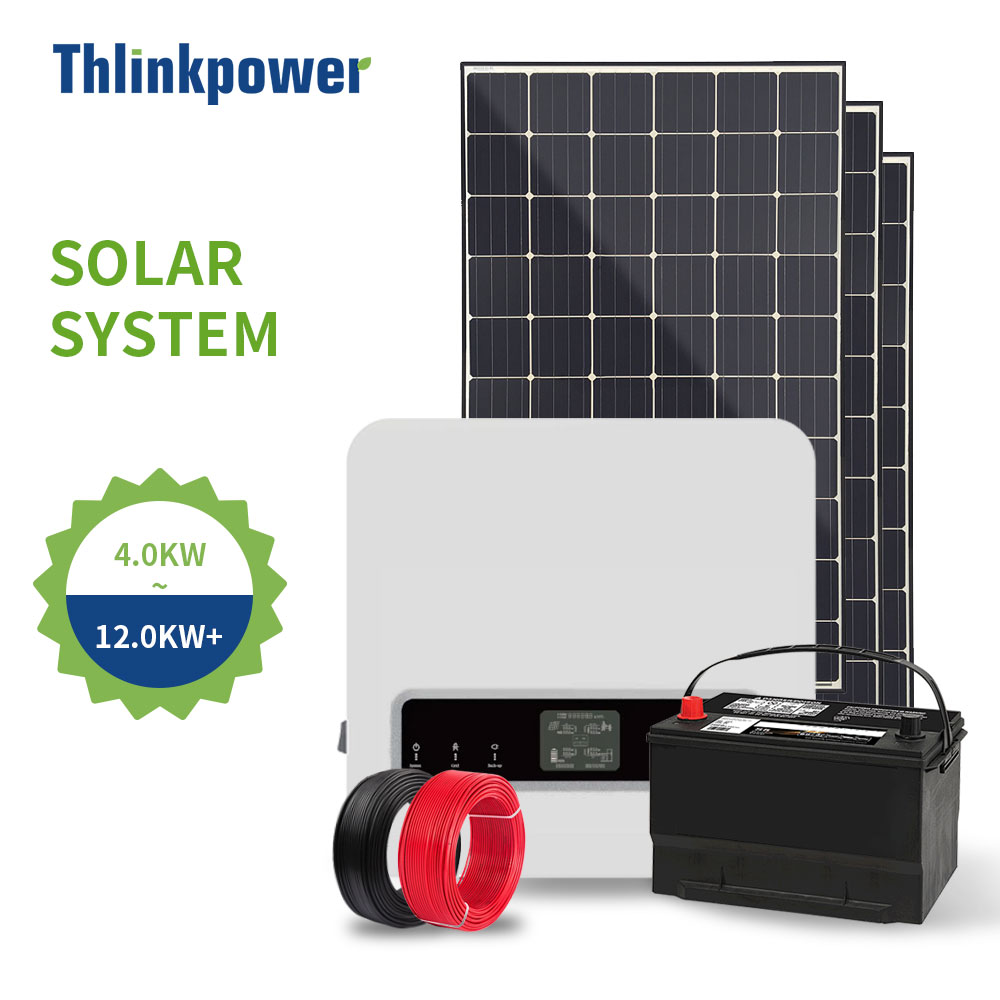
A solar energy system is an integrated solution that converts sunlight into usable electricity. It typically consists of the following components:
- Solar Panels: Capture sunlight and convert it into electricity.
- Inverters: Transform direct current (DC) from solar panels into alternating current (AC) for appliances.
- Battery Storage: Store excess energy for use during the night or grid outages.
- Mounting Structures: Secure solar panels for optimal sunlight exposure.
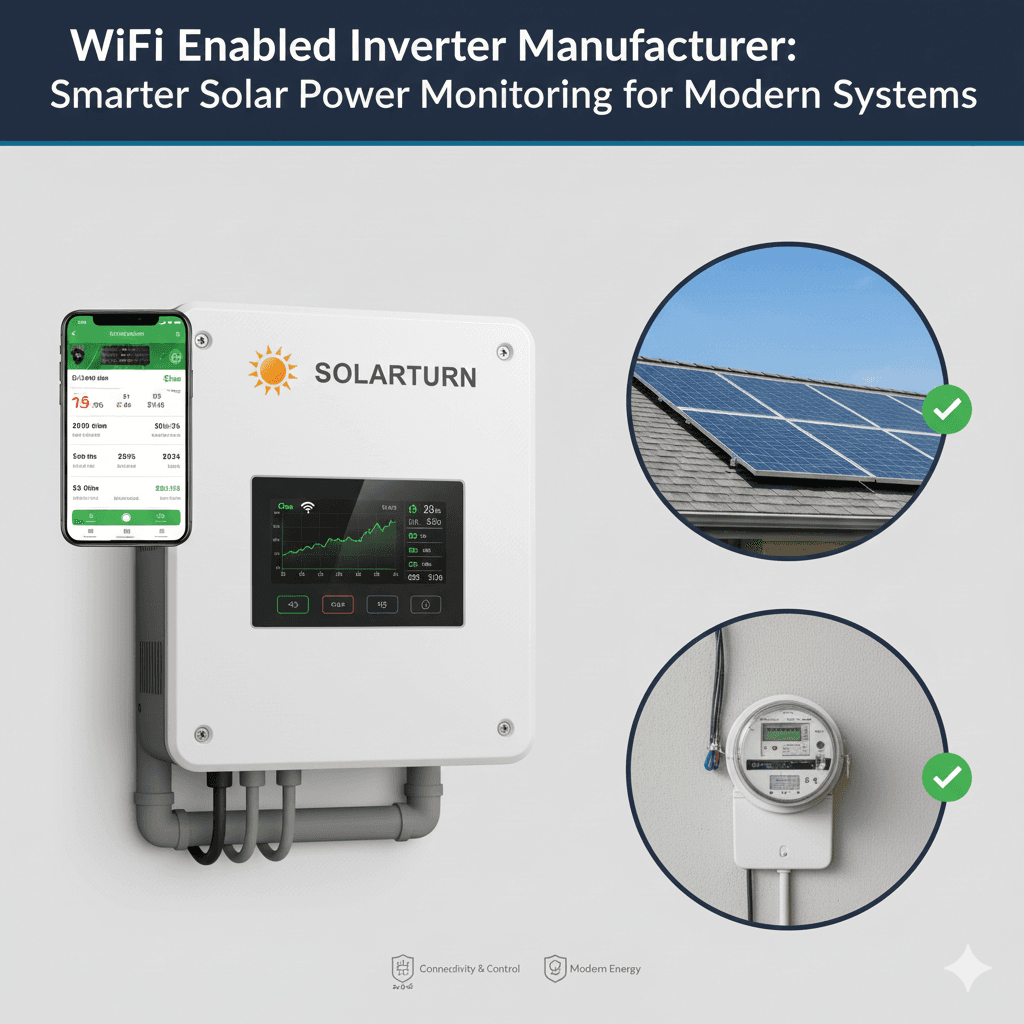
- Monitoring Systems: Track energy generation and usage for efficiency.
These systems can be tailored for residential, commercial, and industrial applications, offering significant energy savings and environmental benefits.
Types of Solar Energy Systems
a. Grid-Tied Solar Energy Systems
- Description: These systems are connected to the utility grid, allowing users to export surplus electricity and draw from the grid when needed.
- Advantages:
- Reduced electricity bills through net metering.
- No need for expensive battery storage.
- Best For: Urban homes and businesses with reliable grid access.
b. Off-Grid Solar Energy Systems
- Description: These systems operate independently of the grid, using battery storage to ensure a continuous power supply.
- Advantages:
- Energy independence.
- Ideal for remote locations without grid access.
- Best For: Rural homes, cabins, and industrial sites in isolated areas.
c. Hybrid Solar Energy Systems
- Description: Combining the benefits of grid-tied and off-grid systems, hybrid systems use batteries while remaining connected to the grid.
- Advantages:
- Backup power during outages.
- Flexibility to store and export energy.
- Best For: Homes and businesses seeking energy independence with grid backup.
Benefits of Solar Energy Systems
a. Cost Savings
- Reduce electricity bills by generating your own energy.
- Long-term savings outweigh initial installation costs.
b. Energy Independence
- Off-grid and hybrid systems provide reliable power, even during grid disruptions.
c. Environmental Impact
- Solar energy systems produce zero emissions, reducing your carbon footprint.
d. Scalability
- Systems can be customized for small homes, large businesses, or industrial facilities.
How to Design an Efficient Solar Energy System
Designing a solar energy system tailored to your needs requires careful planning.
a. Assess Your Energy Needs
- Calculate your daily energy consumption in kilowatt-hours (kWh).
- Identify peak energy usage times.
b. Choose the Right Components
- Solar Panels: Select high-efficiency panels to maximize energy generation.
- Inverters: Match the inverter type (grid-tied, off-grid, or hybrid) to your energy goals.
- Batteries: Determine the storage capacity needed for off-grid or hybrid systems.
c. Consider Installation Conditions
- Ensure your roof or installation site receives adequate sunlight.
- Choose durable mounting systems for long-term performance.
d. Budget for Long-Term ROI
- While upfront costs may be significant, focus on long-term energy savings and incentives like tax credits or rebates.
Applications of Solar Energy Systems
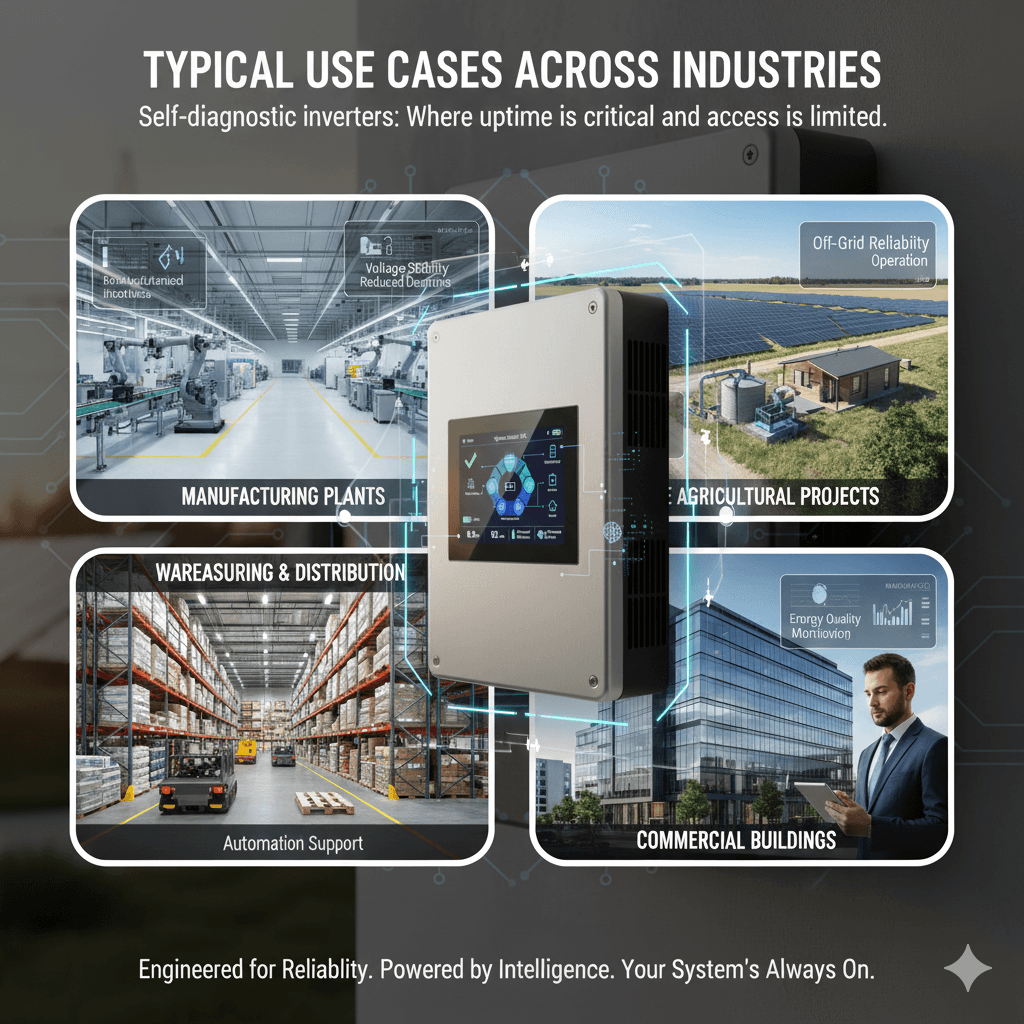
a. Residential Use
- Rooftop solar systems provide clean energy for homes, reducing energy bills and increasing property value.
- Example Use Case: A family installs a hybrid solar system to store energy for nighttime use while remaining connected to the grid.
b. Commercial Use
- Businesses use solar energy systems to lower operational costs and meet sustainability goals.
- Example Use Case: A retail store installs a grid-tied solar system to power lighting and HVAC systems during peak hours.
c. Industrial Use
- Large-scale solar systems support industrial operations with high energy demands.
- Example Use Case: A factory installs an off-grid solar energy system to power production lines in a remote location.
Why Choose Thlinkpower Solar Energy Systems?
At Thlinkpower, we provide complete solar energy solutions tailored to your unique needs.
Our Advantages:
- Comprehensive Systems: From solar panels to inverters and batteries, we offer end-to-end solutions.
- Custom Designs: Systems tailored for residential, commercial, or industrial applications.
- High Efficiency: Industry-leading performance with TÜV and CE certifications.
- Durability: Reliable components built to withstand harsh conditions.
- Global Support: Trusted by clients in over 100 countries.
Popular Products:
- Residential Solar Energy Systems: Designed for homes of all sizes.
- Commercial Solar Power Kits: Scalable systems for businesses.
- Complete Off-Grid Solar Energy Solutions: Ideal for remote locations.
Frequently Asked Questions
Q1: How much does a solar energy system cost?
The cost depends on system size, components, and installation. On average, residential systems range from $10,000 to $20,000, while commercial and industrial systems vary widely.
Q2: Can I expand my solar energy system later?
Yes, solar systems are scalable. You can add panels, inverters, or batteries as your energy needs grow.
Q3: How long does it take to install a solar energy system?
Residential installations typically take 1–3 days, while commercial and industrial projects may take weeks.
Q4: Are there government incentives for installing solar energy systems?
Many countries offer tax credits, rebates, or grants to offset installation costs. Check your local regulations for details.
Contact Us
Ready to design the perfect solar energy system for your home or business? Thlinkpower is here to assist you every step of the way.
- Phone: +86-18157449065
- Email: thlink5@thlinkpower.com
- Address: Lijiaqiao Village, Gulin Town, Haishu District, Ningbo City, Zhejiang Province
- Website: [https://xl-b.pinshop.com/contact-us]