From Innovation to Integration: The Role of PV Inverter Manufacturers
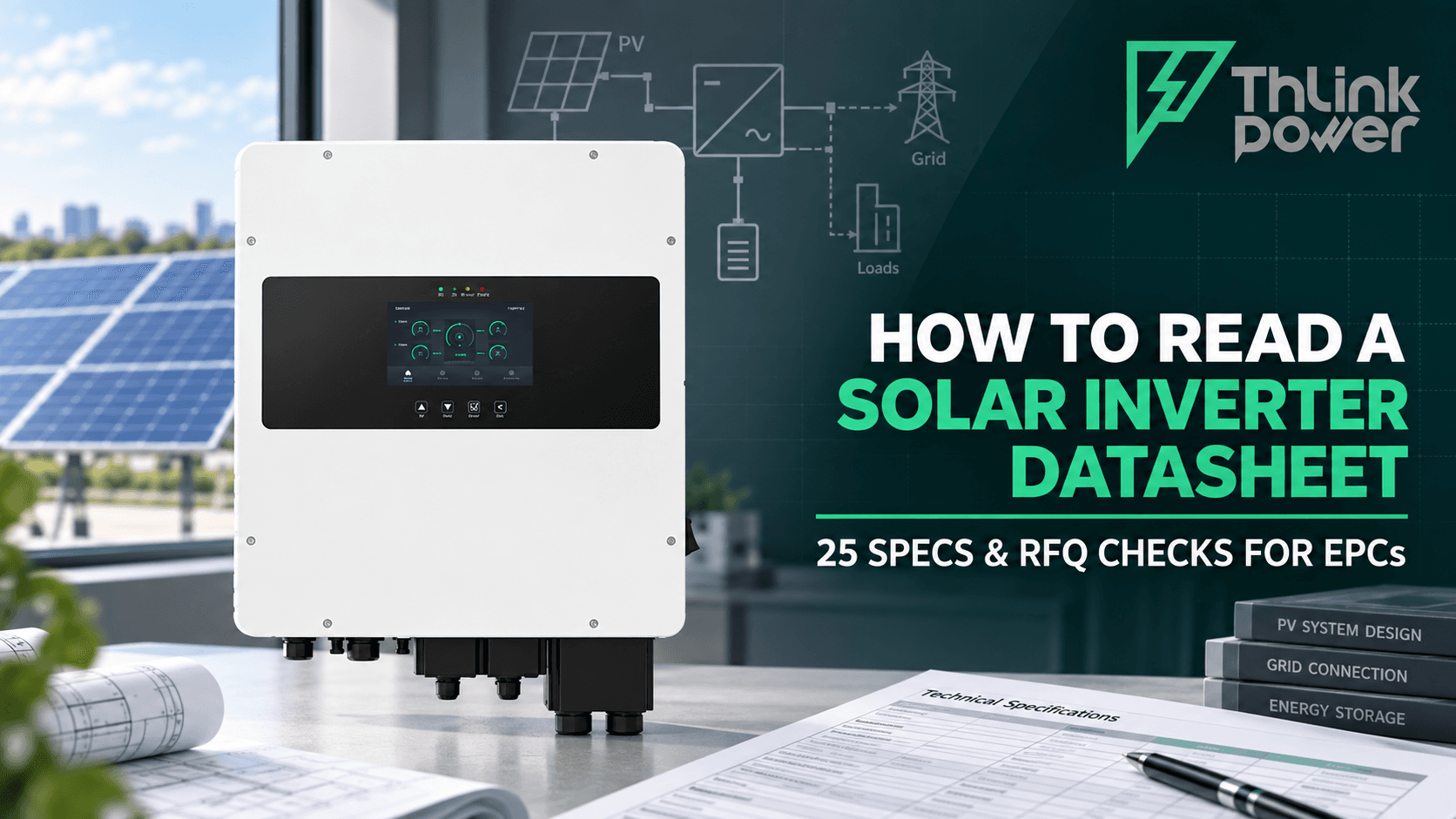
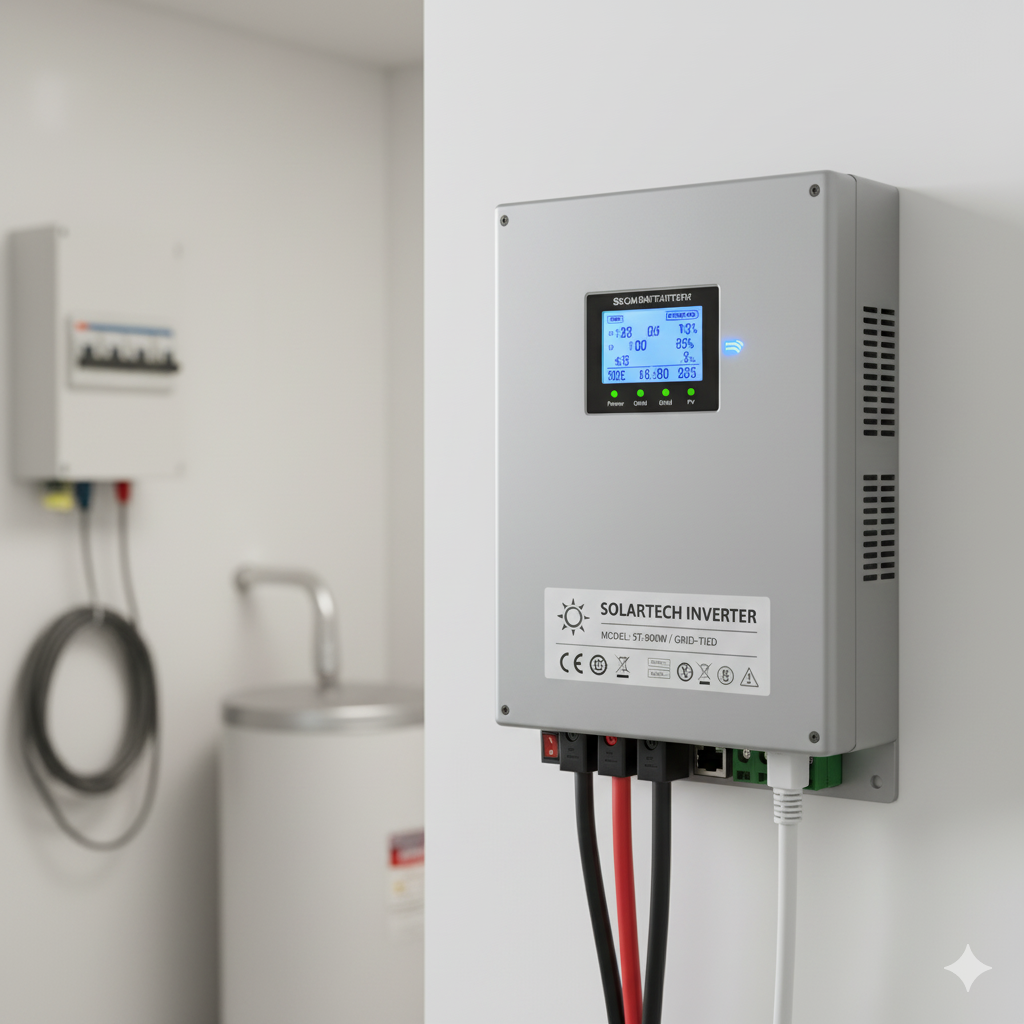
Every solar power system depends on one essential component — the inverter. It converts the DC energy from solar panels into AC electricity that powers homes, factories, and grids.
Solar PV inverter manufacturers bridge technology and reliability, ensuring that power conversion remains efficient, stable, and safe even under harsh conditions.
They don’t just build devices; they engineer solutions — integrating performance monitoring, smart controls, and hybrid energy management to support projects of all sizes.
How PV Inverter Manufacturers Shape System Efficiency
The performance of a solar system is often determined by the quality of its inverter.
Manufacturers achieve this through precision engineering, quality control, and continuous research in conversion technology.
| Design Element | Description | Impact on Performance |
|---|---|---|
| High Conversion Efficiency | Up to 98.8% energy transfer | Reduces power loss |
| MPPT Optimization | Tracks sunlight conditions dynamically | Maximizes energy yield |
| Thermal Management | Advanced cooling systems | Ensures long operational life |
| Smart Communication Protocols | Supports RS485, Wi-Fi, Modbus | Enables monitoring and remote control |
| Global Certification | CE, VDE, UL, IEC compliance | Guarantees market readiness |
Through these engineering practices, manufacturers ensure that each inverter performs reliably from installation to end-of-life.
Comparing Inverter Categories and Their Industrial Applications
| Type | Description | Typical Application | Key Advantages |
|---|---|---|---|
| String Inverter | Manages small solar arrays | Residential, small commercial | Cost-effective, easy maintenance |
| Central Inverter | High-capacity conversion unit | Utility-scale farms | High power density, robust cooling |
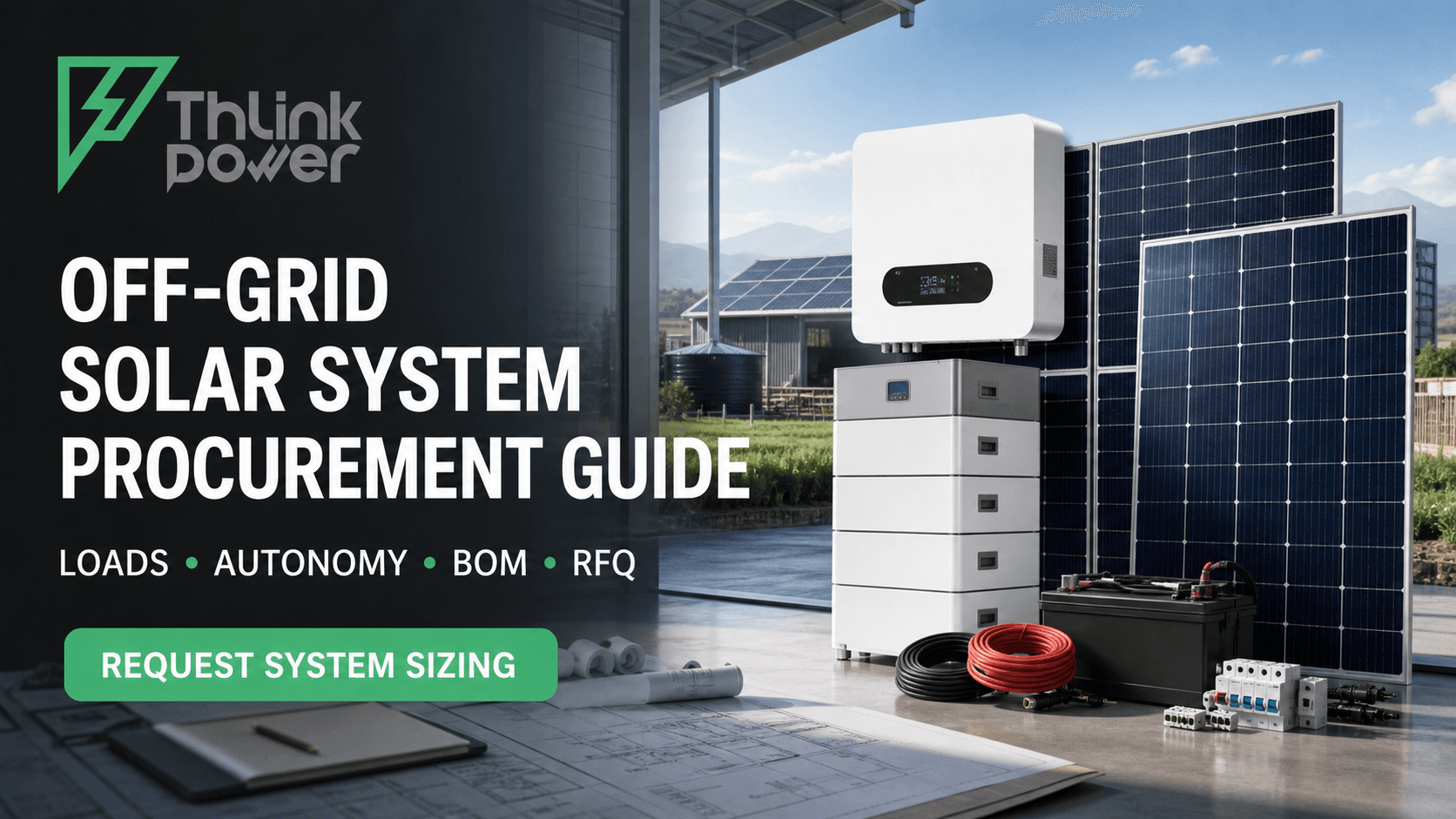
| Hybrid Inverter | Combines solar + grid + storage | Off-grid and hybrid systems | Continuous supply, smart energy management |
| Microinverter | Individual panel control | Rooftops with shading | Enhanced system flexibility |
According to IRENA (2024), hybrid and central inverter categories now represent over 70% of new global installations, showing a strong shift toward integrated, scalable energy architectures.
What Sets Leading Manufacturers Apart
Top solar PV inverter manufacturers distinguish themselves not only by efficiency numbers but also by innovation and service capability.
Their competitive edge includes:
-
In-House R&D Teams — enabling rapid firmware and hardware evolution.
-
Automated Production Lines — ensuring consistent product quality and precision assembly.
-
Customizable OEM/ODM Options — for EPCs and private labels seeking flexibility.
-
Global After-Sales Network — offering technical support and warranty assurance.
-
Sustainability-Centered Design — using recyclable materials and eco-efficient manufacturing.
These capabilities transform inverter makers from suppliers into strategic partners in the global renewable ecosystem.
Global Trends Driving the PV Inverter Industry
-
Smart Grid Integration
-
Inverters now support bidirectional flow for distributed energy systems.
-
-
AI-Based Predictive Maintenance
-
Real-time diagnostics improve uptime and reduce O&M costs.
-
-
Energy Storage Integration
-
Hybrid inverters enable flexible operation for 24-hour power coverage.
-
-
Regional Certification Expansion
-
Compliance with diverse markets (EU, US, MEA, APAC).
-
-
Digitalization of Manufacturing
-
Intelligent factory lines improve component traceability and reliability.
-
With governments and industries accelerating toward net-zero targets, these trends make inverter manufacturing the fastest-evolving sector within the solar value chain.
Selecting the Right Manufacturer for Your Project
| Project Type | Ideal Manufacturer Profile | Why It Matters |
|---|---|---|
| Residential / Commercial | String inverter manufacturer with strong after-sales support | Easy installation and monitoring |
| Industrial / Utility | Central inverter factory with export experience | Proven durability and efficiency |
| Hybrid / Off-Grid Projects | OEM with battery integration expertise | Supports remote-area reliability |
| EPC / Distributor | Manufacturer offering ODM branding | Expands portfolio flexibility |
Tip: Always evaluate a manufacturer’s testing standards, component sourcing, and certification records — these are direct indicators of long-term reliability.
Frequently Asked Questions
Q1: What is the difference between a solar inverter manufacturer and an OEM supplier?
Manufacturers design and produce their own models, while OEM suppliers customize existing designs for specific clients.
Q2: Do all manufacturers provide global certification?
No. Only those with certified testing labs and recognized partnerships (e.g., TÜV, UL) meet international compliance.
Q3: How long does a solar inverter typically last?
Industrial-grade inverters last 10–12 years, depending on environment and usage.
Q4: Can Chinese inverter manufacturers meet European quality standards?
Yes — top factories with CE, VDE, and EN50549 certifications already supply global EPC projects.
Powering Global Growth Through Trusted Manufacturing
Solar energy continues to expand its reach — from rural rooftops to utility-scale fields.
At the heart of this growth are solar PV inverter manufacturers, whose innovation ensures energy conversion stays efficient, safe, and future-ready.
At Thlinksolar, our manufacturing philosophy centers on quality, adaptability, and sustainability.
We deliver solar inverters built for diverse environments — from residential rooftops to industrial-scale applications — supporting global partners with reliable, certified technology.
To learn more about our manufacturing capabilities and OEM/ODM services, visit our homepage or contact us via the contact page.