The Critical Role of Power Stability in the Refrigeration Industry
In the cold storage business, energy reliability is everything. Even a brief power outage can lead to product spoilage, financial losses, or a breach of temperature compliance. Refrigeration facilities in many regions face unstable grid supply and rising electricity costs — making energy management a decisive operational factor.
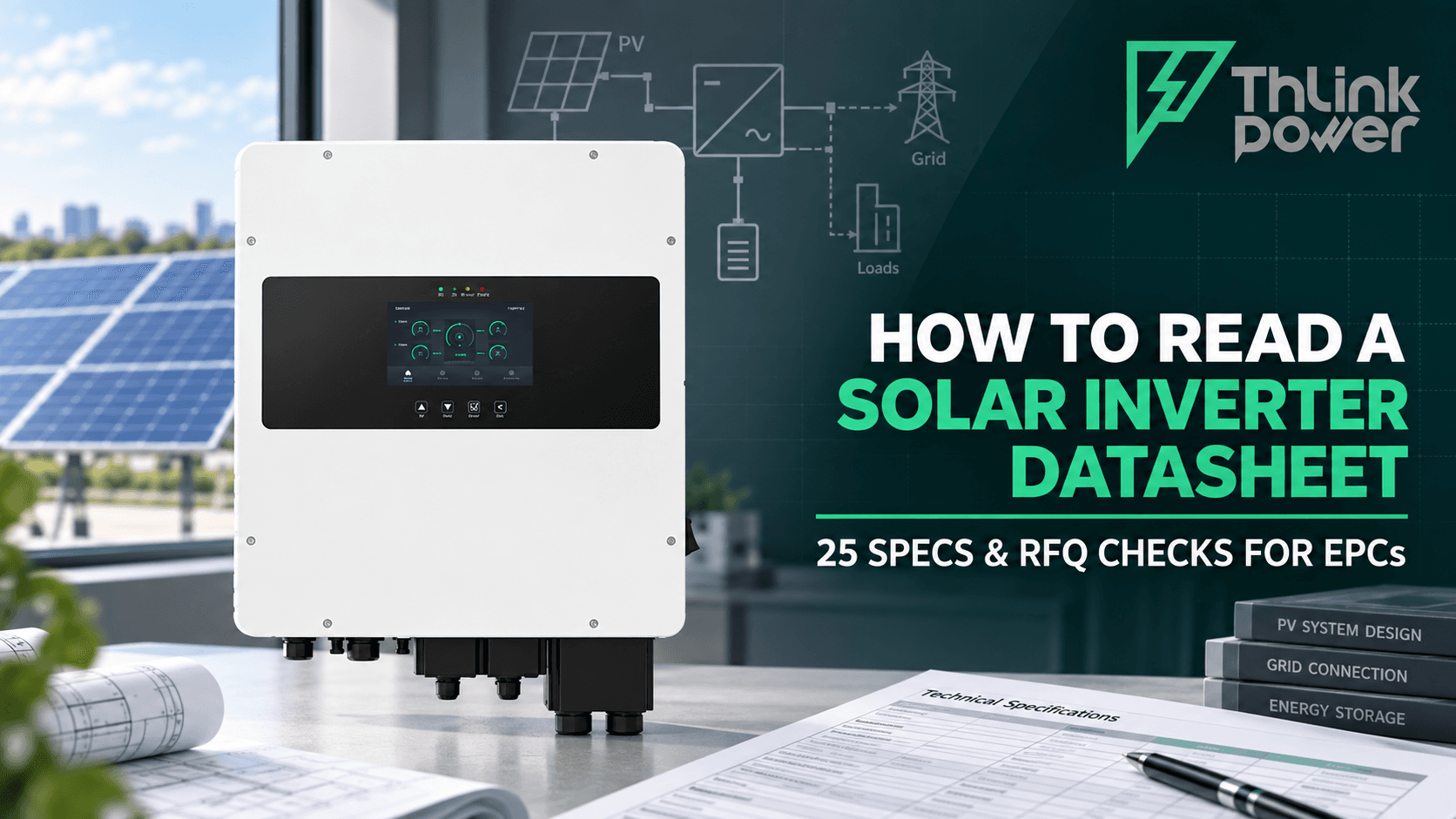
A well-designed inverter for cold storage ensures that compressors, fans, and monitoring equipment run smoothly at all times, converting solar or stored DC power into stable AC power. Combined with hybrid integration, it provides 24-hour reliability even during grid disruptions.
The Challenges Behind Cold Storage Power Consumption
Refrigeration facilities typically consume massive amounts of electricity — accounting for nearly 60% of total operating expenses in many cold chain warehouses.
Key challenges include:
-
High and continuous load demand.
-
Voltage fluctuations that disrupt compressor cycles.
-
Expensive peak-hour energy tariffs.
-
Limited grid access in rural or industrial zones.
These pain points have accelerated the adoption of hybrid solar inverters, enabling operators to combine solar, battery, and grid energy into a stable and cost-effective system.
How Industrial Inverters Optimize Cold Storage Operations
| Function | Description | Result |
|---|---|---|
| Power Conversion | Converts DC solar or battery power to AC for refrigeration systems | Ensures consistent cooling performance |
| Load Prioritization | Distributes energy to compressors, fans, and lights based on demand | Prevents overload and downtime |
| Backup Power Control | Instantly switches to battery or generator mode | Maintains temperature during grid failure |
| Efficiency Optimization | Uses MPPT tracking and digital control | Minimizes wasted energy |
| System Monitoring | Provides real-time temperature and energy data | Improves maintenance and planning |
By integrating smart inverters, cold storage managers can reduce grid dependency, extend compressor life, and maintain strict temperature standards.
Technical Highlights of Advanced Inverter Systems
-
98% Conversion Efficiency: Reduces power loss even during heavy load cycles.
-
Surge Handling Capability: Safely supports compressor startup current.
-
Wide DC Input Range (200–850V): Compatible with large solar arrays and variable loads.
-
IP65 Protection: Designed for dusty, humid, and cold environments.
-
Hybrid Operation: Combines solar, grid, and battery power automatically.
-
Remote Monitoring: Enables 24/7 visibility of system health and energy flow.
According to IRENA (International Renewable Energy Agency), hybrid inverter-based refrigeration systems can lower annual energy costs by up to 40% while improving reliability in developing markets.
Case Study: Hybrid Inverter Cold Storage in Coastal Asia
A seafood exporter installed a 120 kW hybrid inverter system to power its cold warehouse near the coast.
Results after one year:
-
Reduced diesel generator use by 70%.
-
Achieved temperature stability at –20°C even during frequent outages.
-
Annual savings exceeded $45,000 in electricity costs.
This example shows how modern inverter solutions strengthen cold chain reliability while improving profitability.
Choosing the Right Inverter for Cold Storage Facilities
| Facility Scale | Recommended Inverter Type | Key Benefits |
|---|---|---|
| Small Cold Rooms | 10–30 kW Hybrid Inverter | Compact, energy-saving, low noise |
| Medium Warehouses | 50–150 kW Industrial Inverter | Smart load balancing + remote control |
| Large Distribution Centers | 200–500 kW Modular Inverter | High scalability + grid synchronization |
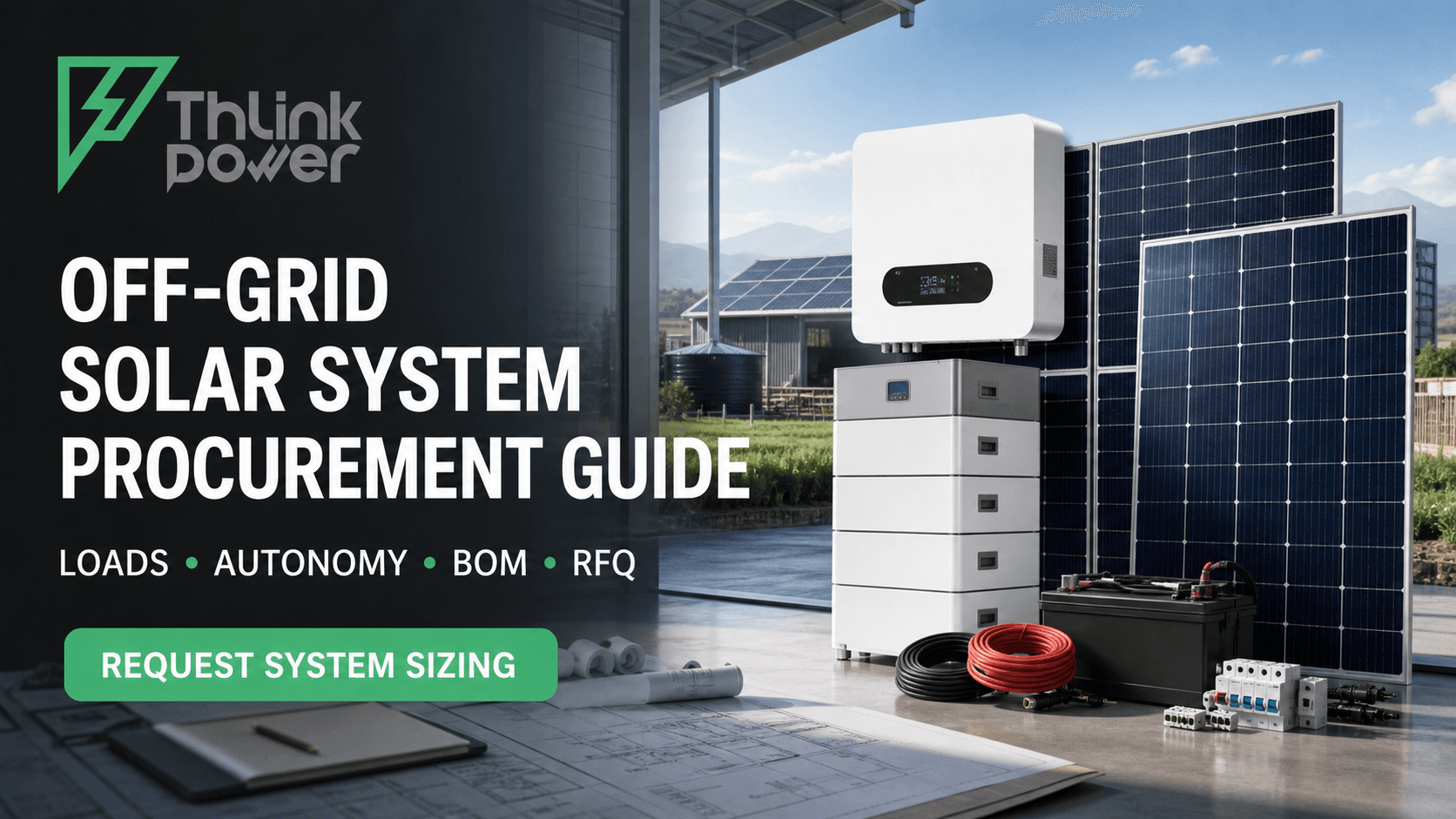
| Off-Grid Cold Storage | Hybrid Off-Grid Inverter | Solar + battery autonomy for rural sites |
Tip: For facilities with frequent compressor cycling, choose inverters with programmable load priority and surge management features to prevent voltage dips.
Frequently Asked Questions
Q1: Can solar inverters handle cold room refrigeration loads?
Yes. Industrial-grade inverters are designed to manage inductive loads from compressors and fans efficiently.
Q2: Are hybrid inverters suitable for continuous 24/7 operation?
Absolutely. They are engineered for industrial duty cycles, maintaining stable output across all temperature ranges.
Q3: How much maintenance does an inverter system require?
Quarterly inspection and firmware updates are sufficient. Most units feature self-diagnostic systems.
Q4: Can inverters integrate with cold chain monitoring software?
Yes. Through Modbus or RS485, they can sync with temperature and logistics management platforms.
Sustaining the Cold Chain with Smarter Energy
For cold storage operators, uninterrupted power isn’t just about saving electricity — it’s about preserving quality, ensuring compliance, and protecting investment.
The right inverter transforms unstable energy supply into a continuous, intelligent system that keeps the cold chain moving efficiently.
ThlinkSolar provides hybrid inverter systems engineered for industrial refrigeration and cold storage applications, combining reliability, scalability, and energy intelligence.
Our solutions help global clients maintain temperature precision while lowering operational costs and achieving long-term sustainability.
To explore solutions tailored for your cold storage or refrigeration facility, visit our homepage or contact our engineering team through the contact page.