Hybrid Solar Energy Inverter Price: What Affects Cost and How to Choose Wisely
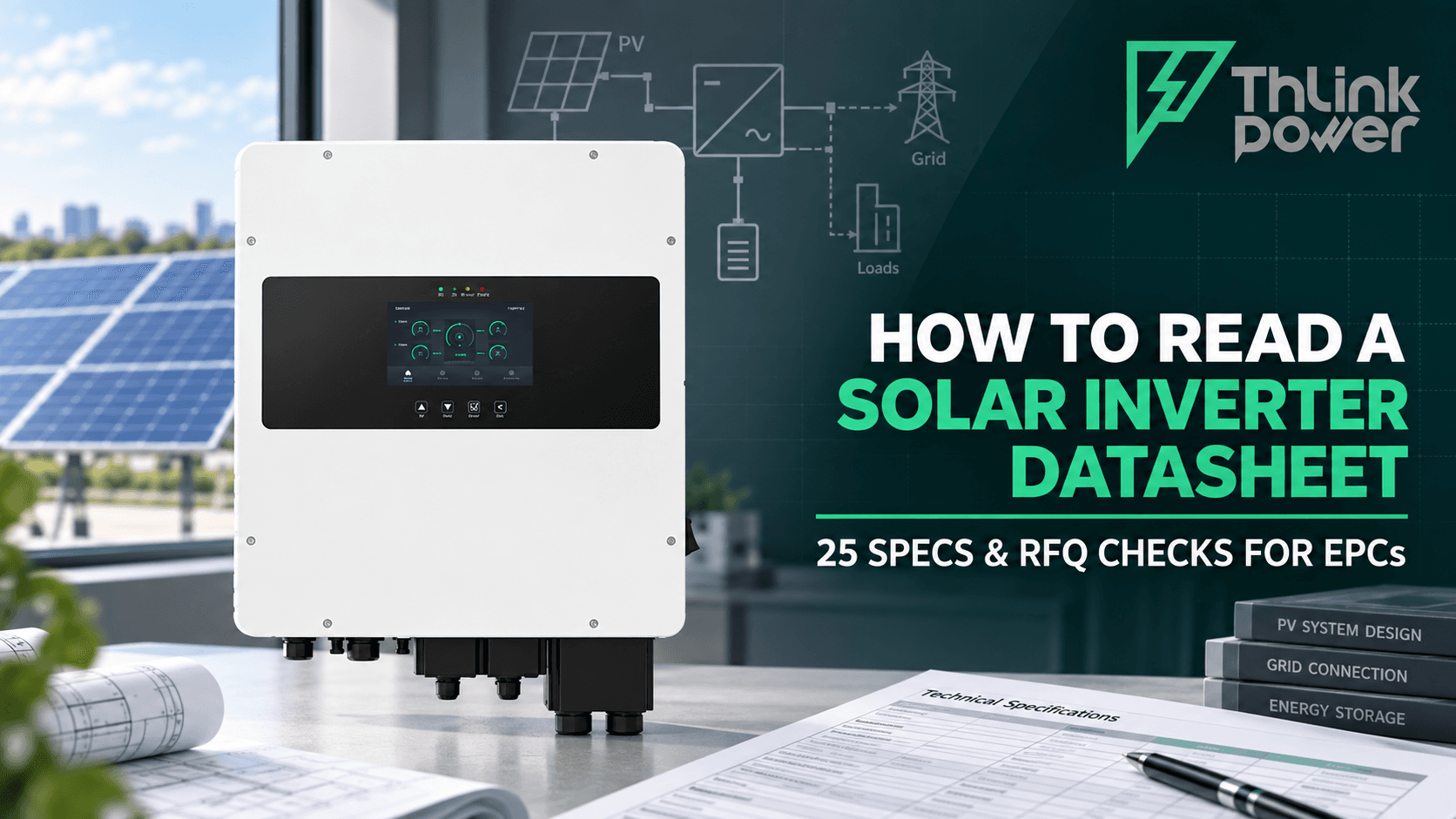
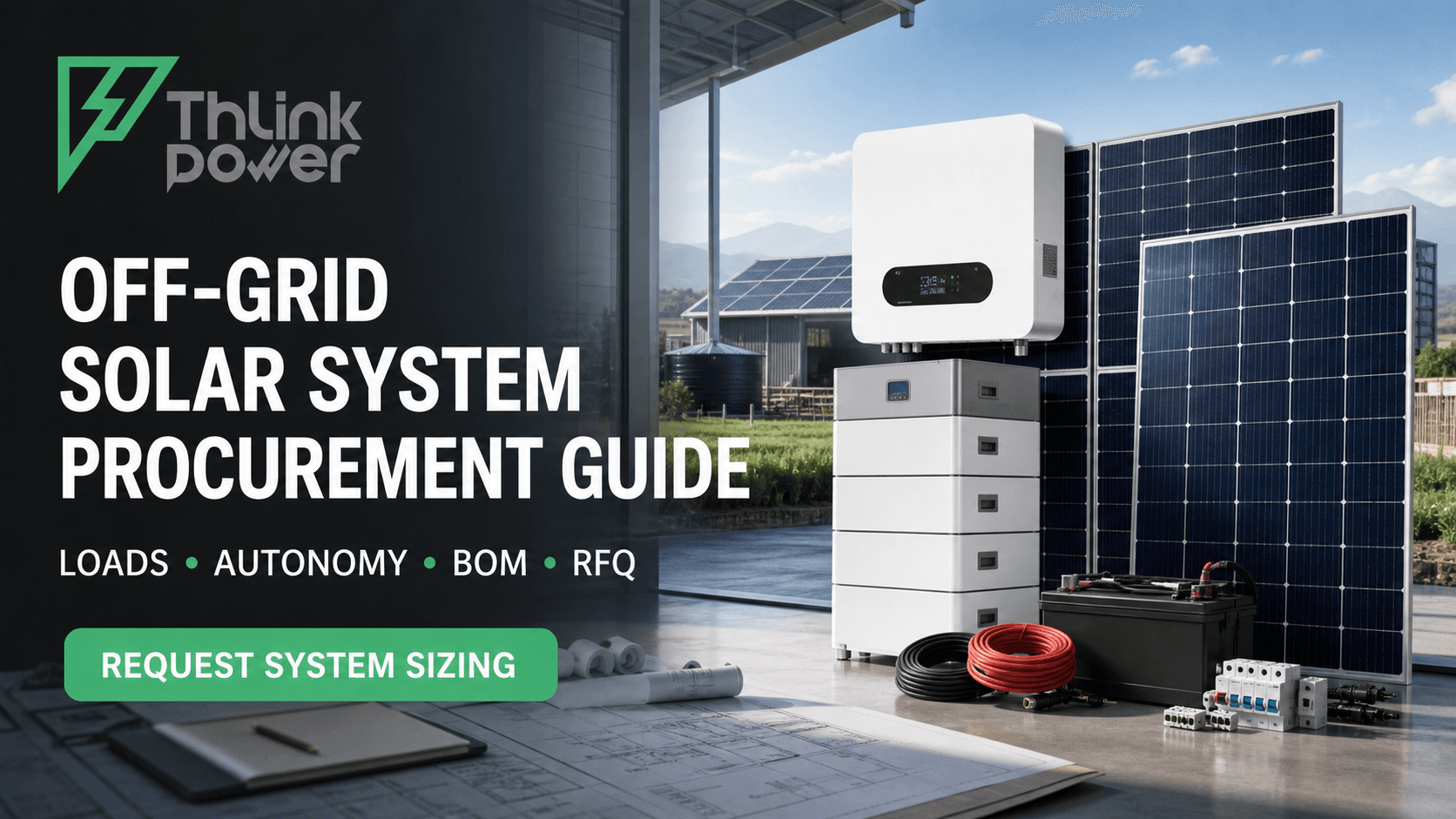
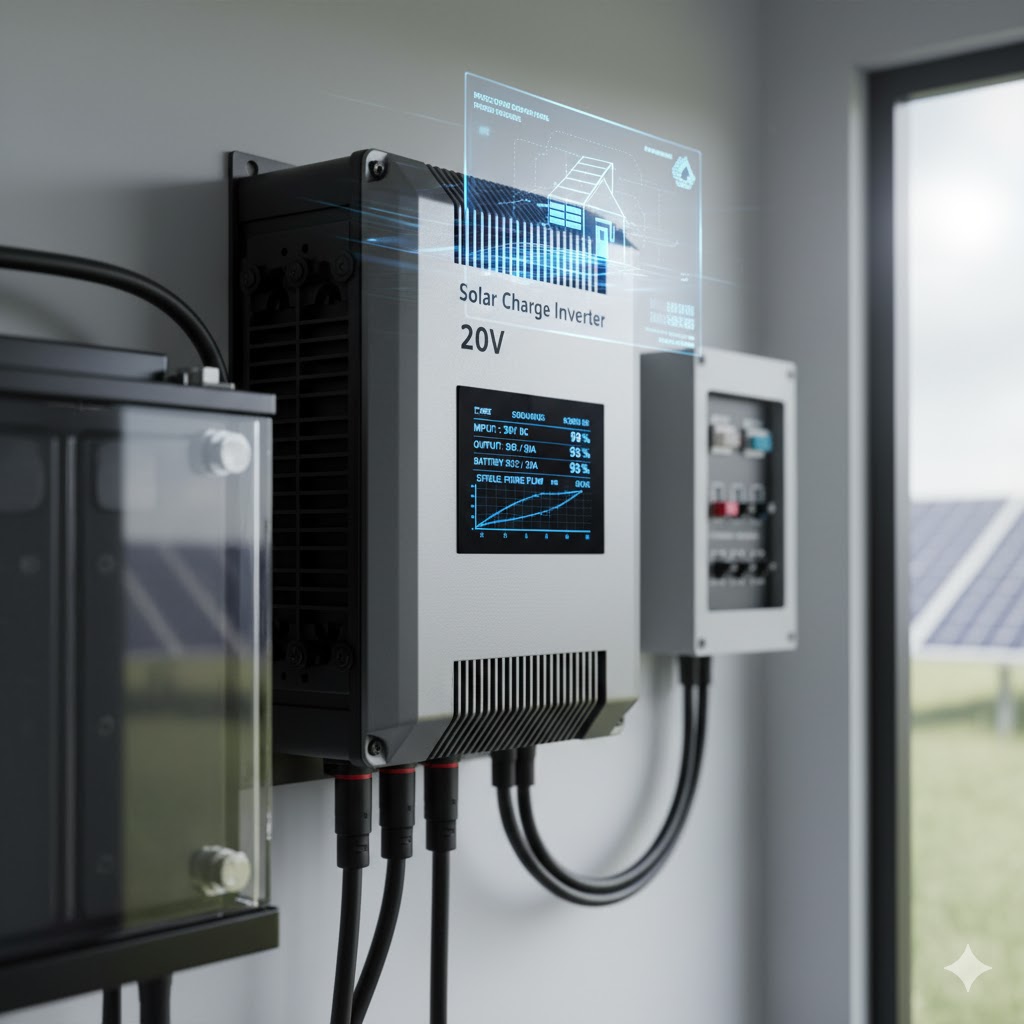
When evaluating solar investment, one of the first questions buyers ask is about hybrid solar energy inverter price. The inverter is not just another component — it’s the brain of the entire system, controlling how solar power, grid supply, and batteries interact.
Understanding its cost structure helps avoid underperforming systems and ensures long-term returns.
Thlinksolar, as a global solar inverter manufacturer and exporter, has observed that the price of hybrid inverters varies widely depending on capacity, components, and certification. Let’s examine what drives these differences and how to identify real value.
Factors That Influence Hybrid Solar Inverter Pricing
Several technical and market factors shape the cost of hybrid inverters. According to the International Energy Agency (IEA), inverter prices have declined over 30% in the past decade, but performance expectations have risen simultaneously.
| Cost Factor | Description | Impact on Price |
|---|---|---|
| Power Capacity (kW) | The rated power output, ranging from 3kW to 100kW | Higher capacity = higher price |
| Battery Compatibility | Supports lithium, lead-acid, or all-in-one BESS | Adds 10–20% to cost |
| Efficiency & MPPT Count | More MPPT channels ensure better solar tracking | Premium units are 10–15% costlier |
| Smart Control Features | Wi-Fi, app control, Modbus, or remote updates | Adds convenience and diagnostics |
| Certification & Warranty | CE, TUV, UL, or VDE standards | Extends credibility and resale value |
In general, a 5kW hybrid inverter might cost between $600–$900, while industrial-grade 30kW–50kW systems reach $3,000 or more depending on export region and installation requirements.
Cost Efficiency and Performance Trade-Offs
Buyers often face the challenge of comparing prices without understanding efficiency trade-offs.
A cheaper inverter may save upfront cost but lose thousands in energy yield over its lifespan.
As reported by the International Renewable Energy Agency (IRENA), inverter quality directly affects system performance by up to 8–12%, influencing both payback period and ROI.
High-efficiency inverters with >97% conversion rates typically provide better long-term savings despite higher initial cost.
Investing in durable cooling systems, corrosion-resistant housing, and long warranties ultimately lowers total cost of ownership.
How Regional Pricing Varies
The hybrid solar energy inverter price also fluctuates across global markets due to logistics, import duties, and after-sales service requirements.
-
Europe & Middle East: Higher due to certification and compliance costs.
-
Asia-Pacific: Competitive manufacturing base keeps prices lower.
-
Africa & Latin America: Import duties and local distribution add 10–15%.
Thlinksolar maintains export hubs in China and Southeast Asia to balance cost and delivery speed for international distributors, ensuring consistent quality without regional pricing shocks.
Real-World Value Beyond the Price Tag
Price alone doesn’t capture inverter value. A hybrid system integrates multiple energy sources, requiring stable coordination and precise load management.
According to EnergySage, system owners who choose properly sized hybrid inverters save an average of 20% more energy annually than those using grid-tied units.
When evaluating cost, buyers should ask:
-
Does the inverter include future scalability (battery or load expansion)?
-
Are replacement parts and service networks accessible in my region?
-
Is there app-based monitoring or remote update capability?
-
How does warranty support align with total project duration?
Thlinksolar’s Approach to Pricing and Value
Thlinksolar takes a transparent approach to pricing by combining quality assurance with flexible OEM/ODM options.
Key advantages include:
-
Standardized Testing: Every unit undergoes load simulation before shipment.
-
Customizable Output: Configurable voltage and phase support for different markets.
-
Scalable Warranty Plans: 5–10 years, depending on contract.
-
Optimized Packaging: Reduces shipping damage and logistics cost for exporters.
This balance of quality, reliability, and global logistics gives distributors and EPC firms a dependable foundation for long-term partnerships.
Investing Smartly in a Hybrid Future
The right hybrid solar energy inverter isn’t just about today’s price—it’s an investment in system efficiency and reliability over a decade or more.
By analyzing performance, certification, and lifecycle cost, buyers can make informed choices that ensure real energy independence.
To learn more about inverter pricing, OEM terms, or regional distribution, visit Thlinksolar.com or contact our sales team.