How to Choose a Solar Panel Manufacturer for Wholesale and Commercial Projects
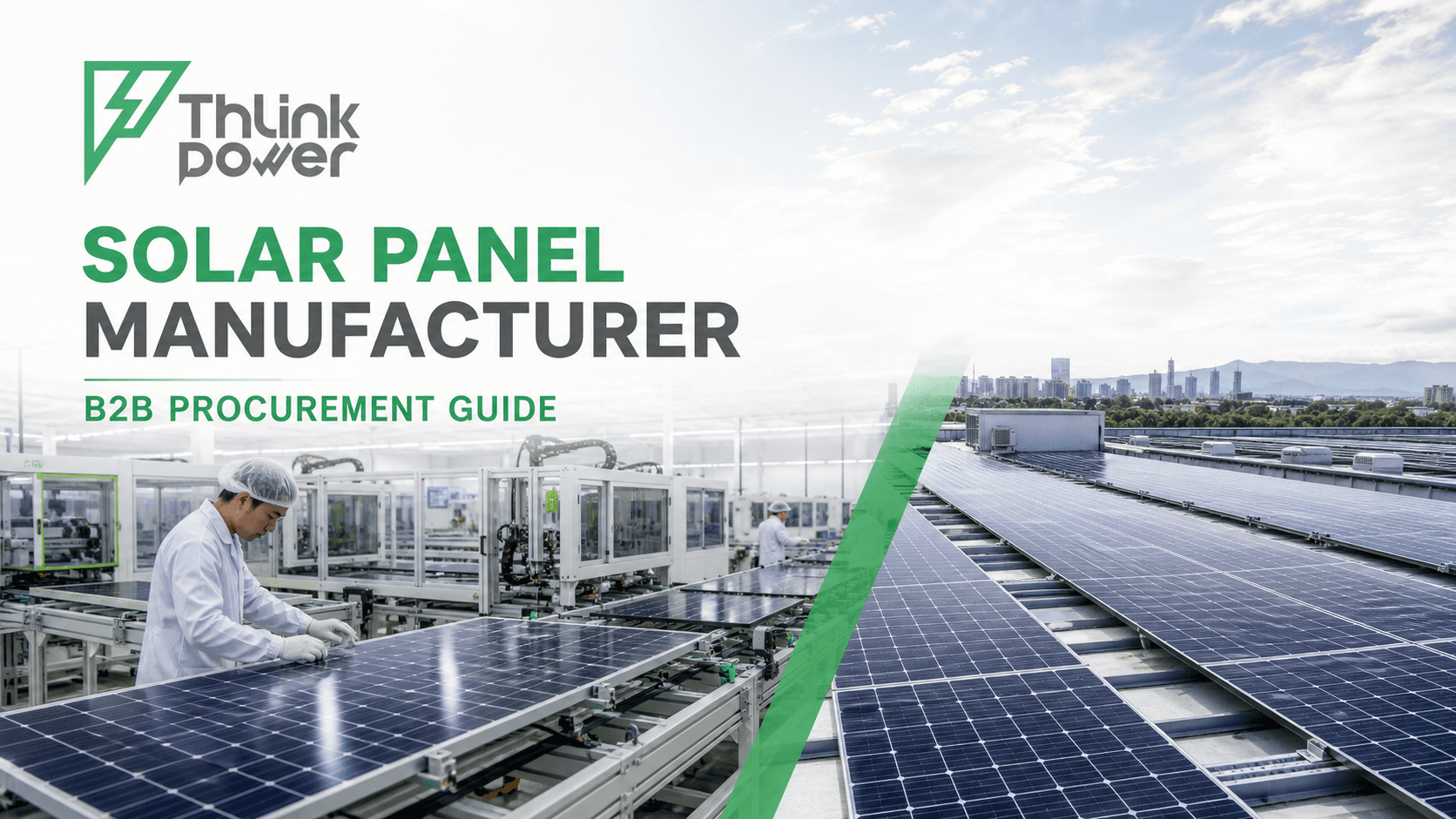
Choosing a solar panel manufacturer is not a search for the lowest price per watt. It is a structured risk decision about whether a supplier can repeatedly deliver the specified electrical performance, safety documentation, bill of materials, appearance, packaging, schedule, and after-sales support across samples, trial orders, and full containers.
For a professional buyer, the best supplier is the one whose evidence reduces uncertainty before the purchase order is signed. That evidence should include traceable product specifications, certificates with the correct model scope, production and inspection records, controlled component substitutions, realistic capacity data, written warranty procedures, export packing details, and a commercial quotation that can be compared line by line.
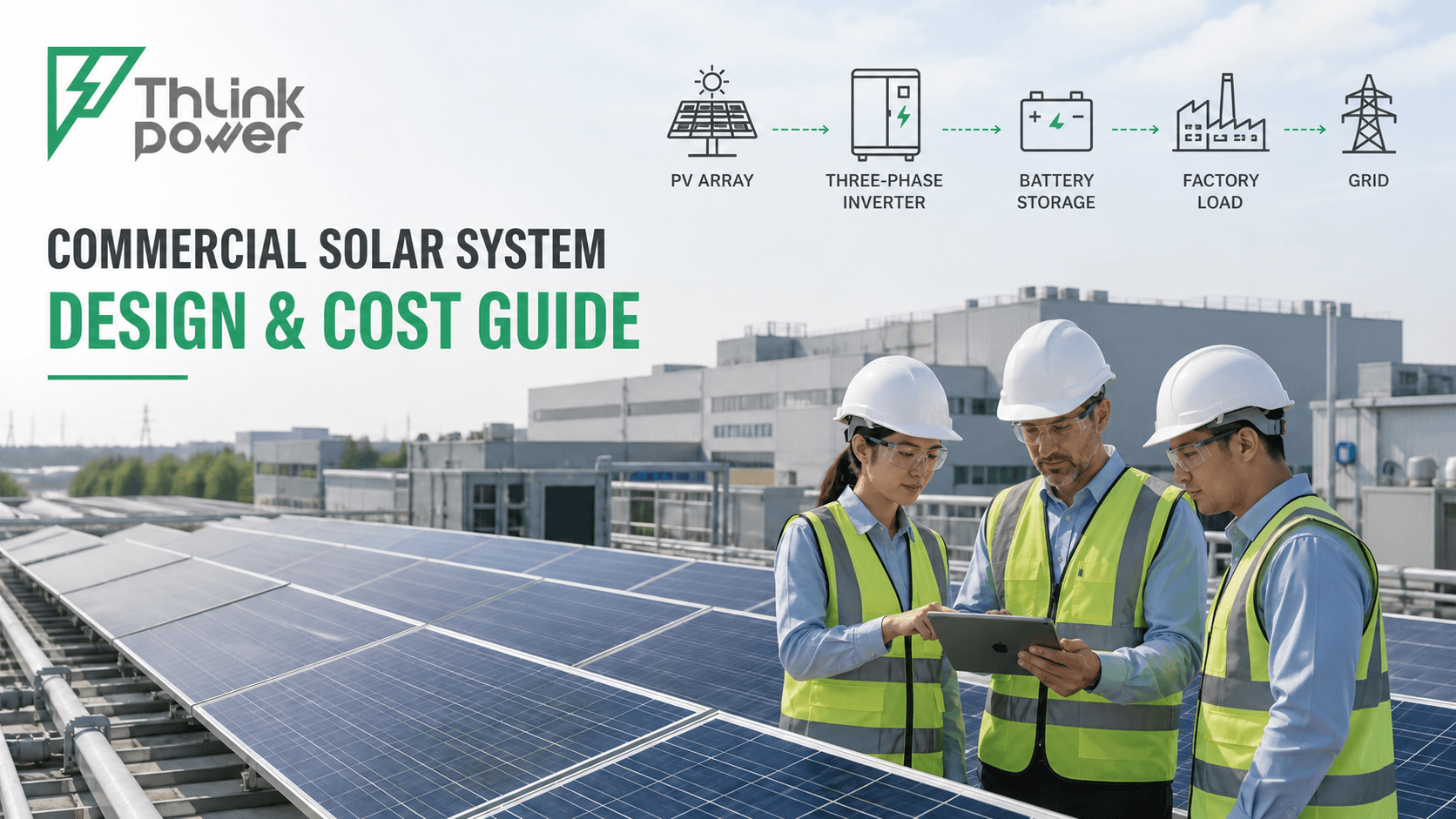
This guide explains how distributors, importers, EPC contractors, and commercial solar developers can qualify a manufacturer, compare wholesale offers, and prepare an RFQ that produces usable answers. It also shows how module procurement connects with commercial solar system design, inverters, battery storage, mounting structures, total project cost, and supplier accountability.
The short answer: what should a B2B buyer verify first?
Before requesting a final price, verify five things: product-market compliance, specification and bill-of-material control, quality evidence, delivery capability, and warranty responsibility. If one of these cannot be demonstrated in writing, a low quotation is not yet a low-risk quotation.
A disciplined qualification sequence is:
- Define the target market, project application, power class, dimensions, electrical limits, certification requirements, annual volume, and delivery window.
- Confirm whether the counterparty is the actual manufacturer, an authorized exporter, a brand owner using contract manufacturing, or a trading company.
- Match certificate model numbers and factory locations to the proposed product.
- Review datasheets, construction details, approved component lists, change-control rules, and sample labels.
- Evaluate production, inspection, traceability, packaging, container loading, warranty, and claims handling.
- Compare total landed and lifecycle risk, not only EXW or FOB price per watt.
- Release a sample or pilot order with written acceptance criteria before scaling.
That process protects both sides. The buyer receives a product that fits the market and project. The supplier receives a complete specification instead of an ambiguous request for “best price.”
Request a Manufacturer Qualification and Project Quote
Manufacturer, brand, contract manufacturer, or trader: understand the supply model
The word “manufacturer” is used loosely in international sourcing. The commercial relationship matters because it determines who controls the design, who owns the certificates, who approves component substitutions, who performs inspections, and who is responsible when a claim occurs.
Direct manufacturer
A direct manufacturer operates or controls the production facility named in its audit and certification documents.It should be able to show production lines, inspection equipment, quality procedures, traceability records, and the relationship between model numbers and manufacturing locations. Direct access can simplify engineering communication and change control, but it does not automatically guarantee good quality. Evidence still matters.
Brand owner using contract manufacturing
A brand owner may design, specify, market, and warrant products while outsourcing part or all of production. This can be a legitimate model when responsibilities are clear. Buyers should confirm which factory is approved, who controls the bill of materials, whether certificates include that factory, and whether the brand has resources to manage quality and warranty claims.
Authorized exporter or distributor
An exporter or distributor can add value through mixed-product consolidation, local service, credit terms, smaller minimum order quantities, and faster communication. Ask for authorization, product traceability, warranty escalation procedures, and proof that supplied models match the manufacturer's current documentation.
Trading company
A trading company may offer sourcing flexibility, but buyers must understand whether the supplier can control product consistency across orders. A trader should disclose the manufacturing source, inspection plan, change-notification process, and responsibility for warranty claims. Refusal to identify the manufacturing site is a material sourcing risk for technical products.
The correct choice depends on the program. A small distributor testing a new market may value mixed-container flexibility.A utility or large EPC project may require direct technical control, factory audits, witnessed inspection, and a long-term quality agreement. Do not select a supply model before defining the project risk.
Build a requirement sheet before asking for price
The fastest way to receive incomparable quotations is to send only a target wattage and quantity. A useful request should describe the environment in which the module must work and the commercial system around it.
At minimum, include:
| Requirement group | Information the buyer should provide | Why it changes the offer |
|---|---|---|
| Market | Destination country, grid/project type, required marks and language | Certification, labels, manuals, and market access vary |
| Application | Commercial rooftop, ground mount, carport, agricultural, remote, coastal, desert, or other | Mechanical loading, corrosion, temperature, and installation constraints vary |
| Electrical | Target power class, module quantity, string voltage, inverter MPPT limits | Determines module configuration and system compatibility |
| Mechanical | Maximum dimensions, weight, frame, connector, cable length, mounting zones | Affects transport, labor, mounting, and structural design |
| Construction | Cell type, glass/backsheet or glass/glass, junction box, cable, connector, frame finish | Affects durability, appearance, weight, and cost |
| Quality | Inspection level, flash tolerance, EL requirements, sampling plan, pre-shipment tests | Defines acceptance and evidence |
| Commercial | Annual volume, trial order, MOQ, Incoterm, destination port, delivery schedule | Determines pricing, capacity reservation, packaging, and logistics |
| Branding | OEM label, carton, pallet, manual, serial format, barcode | Requires artwork approval and traceability controls |
| Warranty | Product and performance terms,claim evidence, response time, remedy | Determines lifecycle risk and commercial responsibility |
If the purchase is part of a complete solar system design, provide the load profile, site conditions, roof or land information, target energy yield, inverter limits, and battery strategy as early as possible. Module selection without system context can create avoidable rework.
Read the datasheet as an engineering document, not a brochure
A datasheet is the beginning of technical due diligence, not the end. Compare values under the stated test conditions and check whether the proposed product, quotation, sample label, certificate, packing list, and warranty all use the same model designation.
Power and tolerance
Confirm rated maximum power, power tolerance, and how modules are sorted. A positive-only tolerance may reduce the risk of receiving modules below nameplate power, but the buyer should still understand measurement uncertainty, flash-test calibration, and the acceptance method. Ask whether individual flash data is available by serial number.
Voltage and current
Review open-circuit voltage, short-circuit current, maximum-power voltage, and maximum-power current. These values influence string sizing, cable selection, protection, and inverter compatibility. The design team must adjust for site temperature and equipment limits rather than copying a standard string count.
Temperature coefficients
Module voltage and power change with temperature.The coefficient values are important for cold-temperature maximum system voltage and high-temperature energy performance. Ask the engineering team to use the project design temperature rather than a generic annual average.
Mechanical dimensions and mounting zones
Small dimensional differences can affect rail spacing, clamp zones, pallet density, roof layout, and labor. Confirm the current drawing revision, frame profile, mounting-hole details, drainage features, grounding provisions, and approved clamp areas. The proposed module must be compatible with the selected solar mounting system supplier and the project's structural design.
Maximum ratings and protection
Review maximum system voltage, maximum series fuse rating, fire classification where applicable, connector details, and installation constraints. These are not marketing values; they form part of the system safety design.
Warranty document
Do not rely on a single warranty number in a brochure. Read the complete warranty. Confirm the legal warrantor, covered models, start date, geographic scope, exclusions, claim procedure, evidence required, remedy, logistics responsibility, and whether the warranty transfers to a downstream owner.
Control the bill of materials and component substitutions
Two modules with the same headline power can have different glass, encapsulant, cell, interconnect, backsheet, junction box, cable, connector, sealant, and frame choices.A professional procurement program therefore needs a controlled approved component list or an equivalent construction specification.
Ask the supplier:
- Which components are fixed and which may have approved alternatives?
- Are alternatives covered by the same certificates and reliability evidence?
- What testing is required before a component change is released?
- How far in advance will the buyer be notified?
- Can the changed construction be identified by serial number or production batch?
- Does the quality agreement give the buyer approval rights for material changes?
Component substitution is not automatically unacceptable. Supply chains change, and qualified alternatives may be necessary. The risk comes from uncontrolled changes that are not technically assessed, not documented, or not communicated. The contract should define the difference between an equivalent approved source and a design change requiring buyer approval.
For private-label or OEM programs, also control label artwork, model naming, barcode rules, packing marks, manuals, warranty branding, and digital records. An experienced solar panels wholesale partner should be able to explain how these elements are revision-controlled across repeat orders.
Verify certifications by model, factory, standard, and destination market
Certificate logos on a presentation are not sufficient.Buyers should review the actual certificate or listing and verify that the proposed model family, construction, factory, standard edition, and validity status match the shipment.
Common reference standards for crystalline-silicon PV modules include IEC 61215 for design qualification and type approval and IEC 61730 for safety qualification. Market-specific requirements may also apply. The relevant certification set depends on the destination, installation type, project owner, insurer, financing party, and authority having jurisdiction.
Use a four-part check:
- Model scope: Is the exact proposed model included, or is it legitimately covered by a model-family definition?
- Factory scope: Is the production location included in the certificate, listing, or approved manufacturing documentation?
- Construction scope: Are key components and variants consistent with the certified construction?
- Market scope: Does the destination require additional marks, registrations, test reports, labels, or documentation?
Ask for the certificate owner, issuing body, report references, and a verification route. If a project requires special environmental qualifications—such as salt mist, ammonia, sand/dust, or other conditions—state the requirement in the RFQ and confirm what the test actually covers. A test report does not prove suitability for every site unless the construction and exposure conditions are relevant.
Useful authoritative starting points include the International Electrotechnical Commission's solar resources at https://www.iec.ch/renewables/solar-power and the National Renewable Energy Laboratory PV research portal at https://www.nrel.gov/pv/.
Design a quality plan that produces traceable evidence
Quality cannot be inspected into a produc t only at the loading dock. The quality plan should cover incoming materials, process controls, finished-product tests, data retention, nonconformance handling, and shipment release.
Incoming material control
Review how the factory identifies, inspects, stores, and releases glass, cells, encapsulant, backsheets, frames, junction boxes, cables, connectors, and packaging. Ask how shelf-life materials are controlled and how batches are linked to finished serial numbers.
In-process control
Critical processes may include cell stringing, layup, lamination, trimming, framing, junction-box bonding or potting, curing, cleaning, and labeling. The factory should define key parameters, inspection frequency, reaction plans, and record retention. A buyer does not need proprietary recipes, but does need confidence that the process is controlled.
Finished-product testing
The agreed inspection plan may include visual inspection, maximum-power testing, insulation or hipot testing, grounding checks where applicable, electroluminescence imaging, dimensions, label verification, and packaging inspection. Define equipment calibration, test conditions, pass/fail criteria, sampling, reinspection, and disposition of nonconforming units.
Traceability
Select several finished serial numbers and ask the factory to trace them backward to production date, line, shift, key material batches, flash results, EL records, and inspection status. Then select a component batch and trace forward to affected finished products. Bidirectional traceability is more persuasive than a generic statement that records exist.
Nonconformance and corrective action
Ask for a redacted example showing how the supplier contains a problem, identifies root cause, implements corrective action, verifies effectiveness, and prevents recurrence. The purpose is not to punish a supplier for having defects; every real factory encounters problems. The purpose is to evaluate how transparently and systematically problems are controlled.
Conduct a factory audit that tests systems, not presentation quality
A factory tour can look impressive while revealing little about repeatability. A useful audit follows evidence from purchase order to shipment and from finished serial number back to components.
Review these areas:
- Legal entity, facility address, organization, and responsibility for design, production, quality, and warranty.
- Quality-management system scope and whether procedures are actually used on the floor.
- Supplier qualification, incoming inspection, material identification, storage, and shelf-life control.
- Production equipment, maintenance, calibration, process controls, line clearance, and work instructions.
- Training and authorization of operators and inspectors.
- In-process and final inspection, data integrity, serial-number generation, and record retention.
- Control of nonconforming product, rework, concessions, and corrective actions.
- Capacity evidence: line speed, shifts, yield, downtime, maintenance, current backlog, and realistic allocation.
- Packaging, warehouse conditions, loading supervision, and shipment documentation.
- Complaint handling, failure analysis, spare/replacement process, and response time.
Capacity should be reconciled rather than accepted as a headline annual number. Ask how stated capacity relates to available lines, product mix, shift pattern, uptime, yield, maintenance, changeover, and existing commitments. For seasonal programs, confirm whether the buyer's required window is reserved in the production plan.
Evaluate wholesale economics beyond price per watt
Price per watt is useful only when the compared offers have equivalent scope. Normalize quotations before ranking them.
Check whether each offer includes:
- The same module model and construction.
- The same power sorting and tolerance.
- Required labels, manuals, cartons, pallets, and OEM artwork.
- The same inspection and documentation package.
- Equivalent warranty responsibility.
- The same Incoterm, named place, and validity period.
- Comparable payment terms and currency exposure.
- The same loading quantity and package protection.
- Destination-related testing, registration, or documentation.
- Sample, tooling, artwork, inspection, or bank charges.
Container loading affects landed cost. Confirm modules per pallet, pallets per container, gross and net weights, package dimensions, loading photos, bracing method, moisture protection, unloading requirements, and whether package design is validated for the distribution route. A few extra modules per container do not create value if breakage or handling risk increases.
Also define shortage, visible-damage, and concealed-damage procedures. State when the buyer must notify the supplier, which photos and documents are required, and how replacement or credit will be handled. These details influence the real value of a wholesale relationship.
Connect modules to the complete commercial solar system
Module procurement cannot be isolated from the rest of the project. A module choice affects string length, inverter loading, roof utilization, racking, cable current, protection, transport, installation labor, maintenance access, and energy yield.
Inverter compatibility
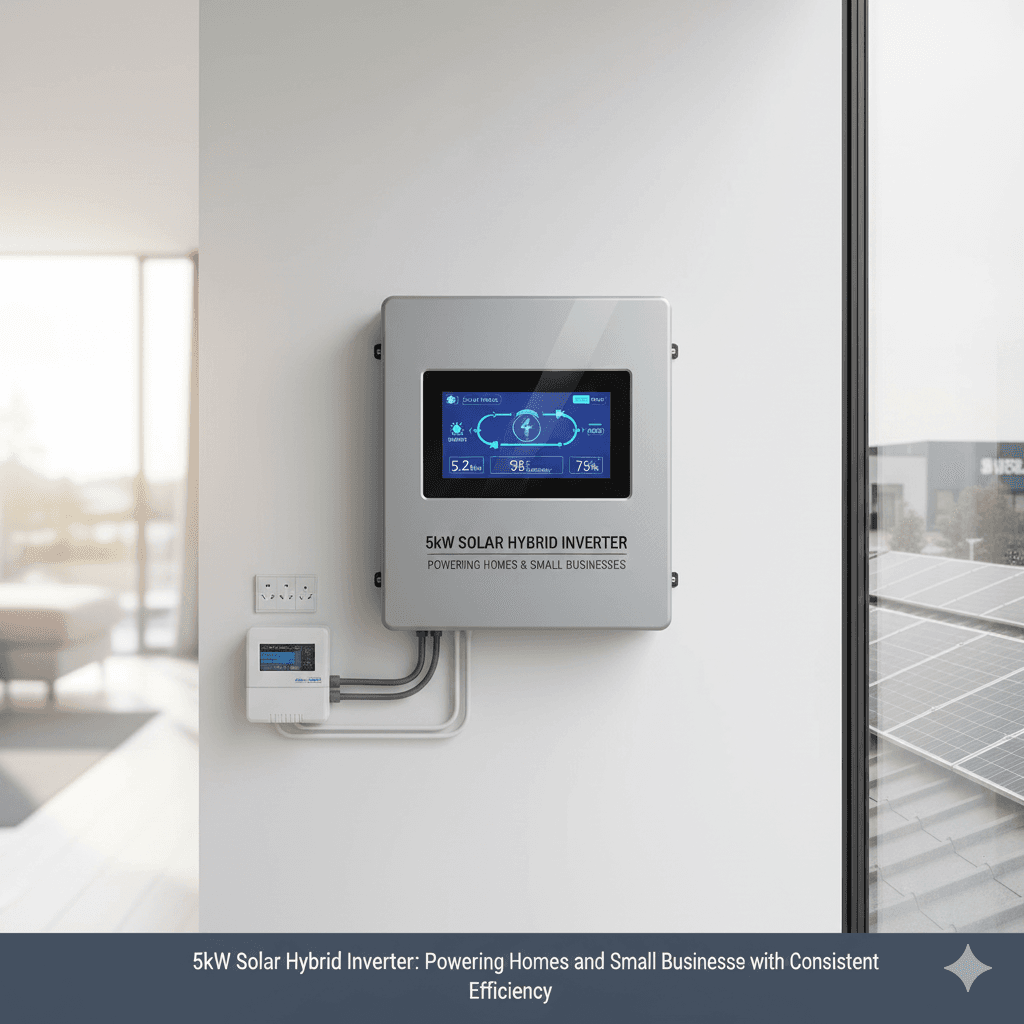
The design engineer should compare module voltage and current across the operating temperature range with the inverter's maximum DC voltage, MPPT window, input current, short-circuit current limit, and string-input arrangement. A qualified solar inverter supplier should provide current manuals, model-specific limits, grid certificates, warranty terms, and technical support.
Battery and hybrid projects
When the system includes storage, module power is only one input. The design must consider the load profile, critical loads, outage objective, usable battery energy, discharge power, charging power, inverter/PCS limits, battery management, thermal conditions, degradation assumptions, and operating strategy. Ask a solar battery supplier for model-specific safety documentation, communication compatibility, warranty conditions, and cycle-life assumptions rather than relying on a nominal energy value alone.
Mounting and structural fit
Module dimensions, weight, frame profile, clamp zones, wind exposure, snow load, roof condition, corrosion category, and maintenance access influence the mounting design. A mounting quote should state the design basis, material grade, coating, fasteners, calculations, drawings, and exclusions.
On-grid, hybrid, and off-grid use
An off grid solar system requires energy balancing across seasons, autonomy assumptions, generator integration where applicable, and load management. A grid-connected commercial system may prioritize self-consumption, export limits, demand reduction, or tariff optimization. The same module may be usable in both, but the correct quantity and system architecture are different.
This is why a buyer should evaluate whether the counterparty is only a module source or a capable solar equipment supplier that can coordinate documented interfaces across modules, inverters, batteries, mounting, and balance-of-system components.
Compare commercial solar system cost with a transparent model
The phrase commercial solar system cost should not be answered with one universal number. Cost depends on market, system size, site access, roof or ground conditions, grid requirements, export limits, equipment specification, engineering scope, labor, permitting, logistics, financing, tax treatment, and warranty expectations.
Build a comparison with separate lines for:
- PV modules.
- Inverters or power conversion equipment.
- Battery storage where included.
- Mounting structures and structural modifications.
- DC and AC balance of system.
- Monitoring and communications.
- Engineering, studies, drawings, and project management.
- Installation labor, equipment, access, and safety.
- Testing, commissioning, training, and documentation.
- Freight, insurance, duties, taxes, inspection, and local handling.
- Spares, maintenance, warranty reserves, and replacement assumptions.
- Financing and schedule risk where relevant.
Compare the assumptions behind the totals. A lower module price can be offset by fewer modules per container, more roof area, higher installation labor, incompatible electrical characteristics, poor documentation, delayed delivery, or weak claims support. Procurement should optimize project value and risk, not a single component metric.
Use a weighted supplier scorecard
A scorecard prevents the lowest visible price from dominating factors that determine project success.
| Category | Suggested weight | Evidence to score |
|---|---|---|
| Product-market compliance | 15% | Certificate scope, labels, manuals, destination requirements |
| Technical fit | 15% | Datasheet, drawings, electrical/mechanical compatibility, construction control |
| Quality system and traceability | 20% | Audit evidence, inspection records, calibration, serial traceability, CAPA |
| Reliability evidence | 10% | Qualification reports, construction relevance, field feedback, failure analysis |
| Capacity and delivery | 10% | Line data, backlog, production plan, packaging, logistics readiness |
| Commercial competitiveness | 10% | Normalized landed scope, payment, validity, MOQ, flexibility |
| Warranty and service | 10% | Legal warrantor, claim process, response, remedy, regional support |
| Engineering communication | 5% | Accuracy, response quality, change control, documentation discipline |
| Business and supply risk | 5% | Continuity, transparency, component sourcing, contractual responsibility |
Weights should be adjusted for the project. A private-label distributor may put more weight on branding consistency and after-sales support.A remote project may emphasize reliability, spares, and logistics. A commercial rooftop with a difficult schedule may emphasize dimensions, structural fit, and delivery certainty.
Require scorers to cite evidence. “Good quality” is not a score justification. “Serial-number traceability demonstrated for three sampled modules from finished goods to flash, EL, production, and material records” is.
Send an RFQ that makes suppliers comparable
An effective RFQ asks for structured answers and attachments. Include a compliance matrix with columns for requirement, buyer specification, supplier respons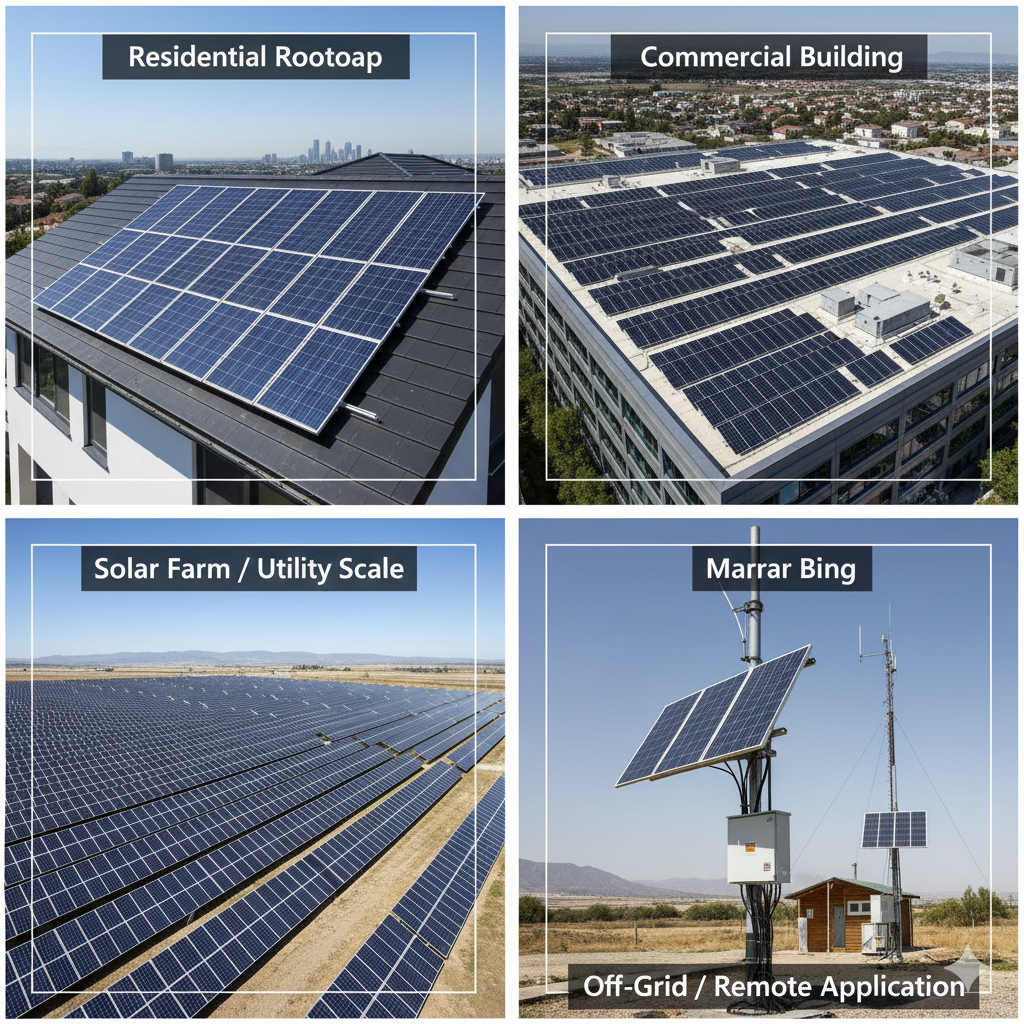 e, deviation, and document reference.
Request:
- Legal company name, manufacturing location, quotation entity, and warranty entity.
- Proposed model, datasheet revision, drawing, certificate list, and construction description.
- Power classes, sorting, tolerance, serial-number and flash-data availability.
- Approved component policy and change-notification procedure.
- Monthly capacity, current lead time, pilot-order timing, and production reservation.
- MOQ, sample policy, annual volume breaks, quotation validity, currency, and payment terms.
- Incoterm and named place under the current agreed Incoterms edition.
- Packaging specification, pallet/container loading, weight, and loading supervision.
- Inspection plan, buyer or third-party inspection access, and shipment-release documents.
- Product and performance warranty documents and claim procedure.
- OEM artwork workflow, approval samples, label/serial format, and revision control.
- Spare, replacement, shortage, and damage handling.
- List of deviations and exclusions signed with the quotation.
Do not hide unresolved questions in email threads. Maintain one controlled clarification log and incorporate agreed answers into the purchase specification or contract.
Send Your Module Specification for a Reviewed RFQ
Run a sample and pilot-order validation
Samples help confirm dimensions, appearance, labels, packaging details, and basic performance, but a hand-selected sample does not prove mass-production consistency. Use samples as one stage in a controlled release process.
A practical sequence is:
- Approve documents and certificate scope.
- Receive representative samples with serial numbers and production records.
- Verify dimensions, labels, connectors, cables, appearance, flash results, EL condition, and packaging.
- Record all deviations and approve only controlled corrections.
- Place a pilot production order using the intended bill of materials and production line.
- Conduct pre-shipment inspection under agreed sampling and test rules.
- Review arrival condition, unloading, warehouse handling, installer feedback, and early performance.
- Close corrective actions before scaling.
Keep a sealed reference sample or a complete approved specification package when appropriate. The governing standard should be the controlled documentation, not informal memory of the first sample.
Contract for change, delay, and claims before they happen
Contracts should translate technical promises into measurable obligations. Define the governing documents and their order of precedence: purchase agreement, quality agreement, specification, approved drawings, compliance matrix, quotation, packing specification, and warranty.
Address:
- No unapproved changes to controlled construction or manufacturing location.
- Advance notice and buyer approval for defined changes.
- Inspection rights and the effect of inspection on supplier responsibility.
- Acceptance criteria and treatment of nonconforming product.
- Delivery schedule, required notices, and remedies for delay.
- Product traceability and record-retention period.
- Warranty claim evidence, response times, root-cause analysis, and remedies.
- Responsibility for freight, inspection, rework, replacement, and field costs where negotiated.
- Intellectual property and artwork ownership for OEM programs.
- Confidentiality, compliance, and applicable law.
The objective is not an aggressive contract that no supplier can perform. It is clarity about foreseeable risks, evidence, and decisions.
Red flags that deserve escalation
Escalate or pause qualification when:
- The supplier will not identify the manufacturing facility.
- Certificate model numbers do not match the proposed product and no valid family explanation is provided.
- The quotation, datasheet, label, and warranty use inconsistent model names.
- Component substitutions can occur without notice.
- Capacity claims cannot be reconciled with lines, shifts, yield, downtime, and backlog.
- Inspection reports are generic, edited, or not traceable to serial numbers.
- The supplier refuses reasonable third-party or buyer inspection.
- Warranty terms are summarized verbally but the legal document is withheld.
- Price is valid only if the buyer accepts a different construction than quoted.
- Payment is requested to an unrelated entity without a documented commercial explanation.
- Packaging and loading details are unavailable before order confirmation.
- Technical questions receive sales language rather than model-specific answers.
One red flag does not always require rejection, but it requires a documented explanation and risk decision. Multiple unresolved red flags usually indicate that the qualification is moving faster than the evidence.
Frequently asked questions
What is the difference between a solar panel manufacturer and a wholesale supplier?
A manufacturer controls or operates production, while a wholesale supplier may be a manufacturer, authorized distributor, exporter, brand owner, or trader. The important question is not the label but who controls the product specification, certificates, bill of materials, inspection, traceability, delivery, and warranty. Ask the counterparty to disclose the supply model and responsibilities in writing.
How can I verify that a supplier is the actual manufacturer?
Review the legal entity and factory address, arrange a live or on-site audit, compare the facility with certificate and report information, observe production and inspection, and trace sampled serial numbers. Verify who issues the quotation and warranty. A factory video alone is not sufficient because it may not establish ownership or responsibility.
Which certificates should a buyer request?
The answer depends on the destination market and project. IEC 61215 and IEC 61730 are common international reference standards for module qualification and safety, but national or project-specific requirements may also apply. Verify exact model and factory scope with the issuing body or listing database and consult the authority having jurisdiction.
Should I choose the lowest price per watt?
Not without normalizing scope. Compare construction, power tolerance, certification, inspection, packaging, loading, Incoterm, payment, warranty, delivery, and risk. A lower component price can increase total cost through damage, delay, incompatibility, labor, documentation gaps, or warranty exposure.
What is a reasonable MOQ for wholesale solar panels?
MOQ depends on model availability, OEM customization, production planning, packaging, and logistics. Ask separately about samples, pilot orders, standard pallets, mixed models, and full-container pricing. A smaller MOQ may carry a higher unit cost but can be valuable for market validation.
Can different module components be used under the same model?
Sometimes approved alternatives are covered by a controlled construction and certification scope. Buyers should receive the approved component policy, test basis, change-notification rules, and traceability. Uncontrolled substitution without technical review or notice is a significant risk.
How should an EPC inspect modules before shipment?
Define the sampling plan and acceptance criteria in the purchase documents. Typical checks may include quantity, model/label, visual condition, dimensions, flash data, EL images, electrical safety tests, packaging, pallet marks, and loading. Use calibrated equipment and agree how failures trigger expanded inspection or corrective action.
How do I compare warranties?
Compare the legal warrantor, covered models, territory, start date, exclusions, performance definitions, claim evidence, response time, remedy, labor/freight responsibility, transferability, and dispute process. The headline years alone do not reveal the practical value.
Should the module supplier also supply inverters, batteries, and mounting?
Single-source supply can reduce interface risk when the supplier has real engineering and documentation capability. It can also concentrate risk. Evaluate each product line, certificate, warranty, and technical responsibility. Require a coordinated BOM and interface review rather than assuming compatibility from a bundled quote.
How does module selection affect an off-grid system?
Module quantity affects seasonal energy availability, battery charging, generator runtime, and resilience.The design must use the load profile, solar resource, temperature, shading, losses, autonomy target, battery limits, and inverter/charger capability. Oversimplified “watts divided by sun hours” calculations should be checked with project-specific assumptions.
What information should I send to obtain a high-quality quote?
Send destination, application, system type, target size, module requirements, annual volume, delivery schedule, Incoterm, certification, branding, inspection, warranty, and project constraints. For system quotes, also send load data, site information, roof or ground drawings, grid details, battery objectives, and single-line requirements.
Can any supplier guarantee Google-level or bankability outcomes?
No single certificate, factory size, or marketing label guarantees long-term performance or financeability. Buyers should combine technical qualification, reliability evidence, quality systems, financial and legal review, project design, installation quality, monitoring, and enforceable warranty terms.
Final procurement checklist
Before approving a solar panel manufacturer, confirm that your team can answer “yes” to the following:
- The proposed product and manufacturing location are identified.
- The model is suitable for the destination market and project.
- Datasheet, drawings, certificates, labels, quotation, and warranty are consistent.
- Electrical and mechanical interfaces have been checked by the system designer.
- The bill of materials and change-control process are documented.
- Factory quality controls and serial traceability have been demonstrated.
- Inspection and acceptance criteria are contractual.
- Capacity and delivery claims are supported by a production plan.
- Packaging and logistics are suitable for the route and handling method.
- Price comparison includes equivalent scope and landed risk.
- Warranty responsibility and claim procedures are clear.
- Samples or a pilot order will be validated before scale-up.
- Deviations, assumptions, and exclusions are written and approved.
The strongest sourcing relationships are built when the buyer provides a complete requirement and the supplier responds with complete evidence. That approach improves quotation accuracy, shortens engineering clarification, reduces surprises, and creates a better basis for repeat wholesale orders and commercial projects.
Contact THLink Solar for a B2B Module and System Quote
Authoritative references for buyer verification
- International Electrotechnical Commission, solar power resources: https://www.iec.ch/renewables/solar-power
- National Renewable Energy Laboratory, photovoltaic research: https://www.nrel.gov/pv/
- IEA Photovoltaic Power Systems Programme: https://iea-pvps.org/
- International Renewable Energy Agency, solar energy: https://www.irena.org/Energy-Transition/Technology/Solar-energy
Editorial note: All certification, performance, warranty, price, capacity, and product claims must be checked against the exact THLink Solar model and current controlled documents before publication.