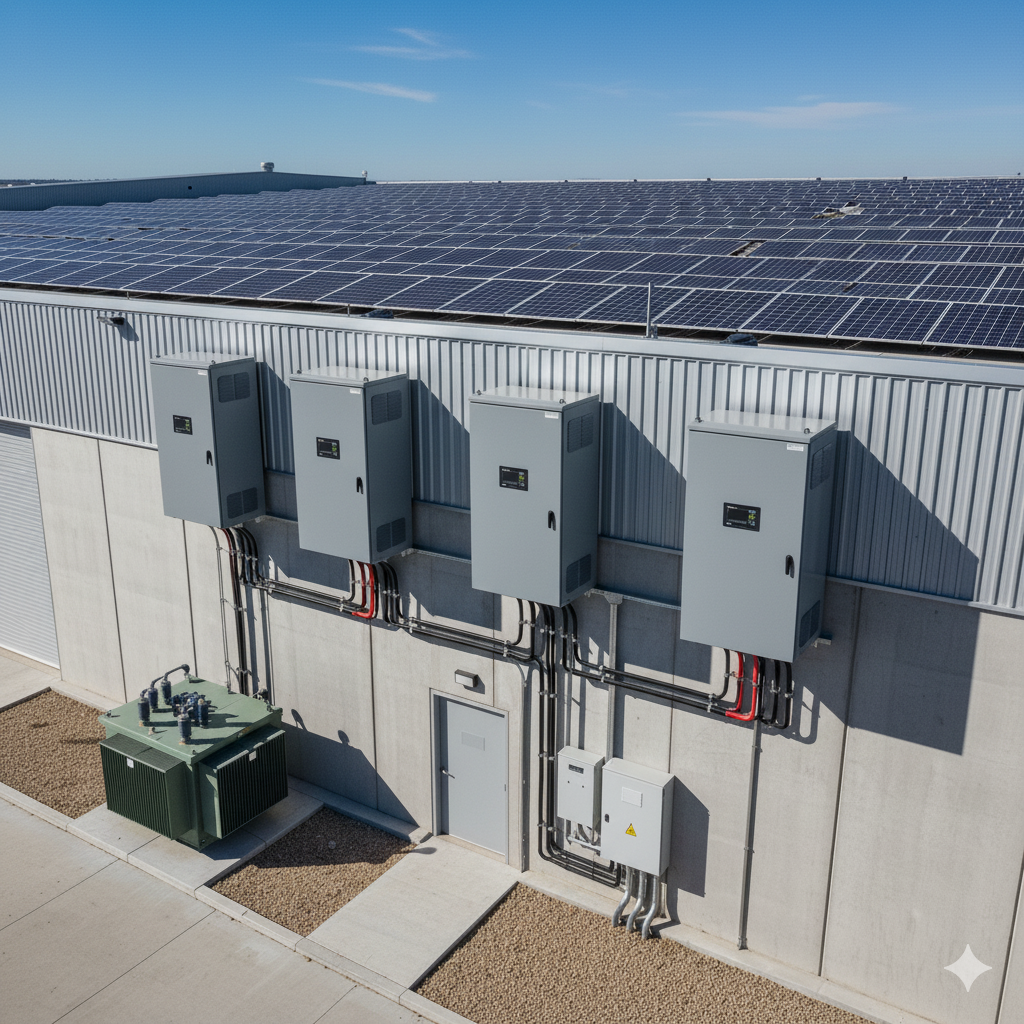
Precision and Performance: How High Frequency Inverter Manufacturers Redefine Energy Conversion
The Growing Importance of High Frequency Inverters
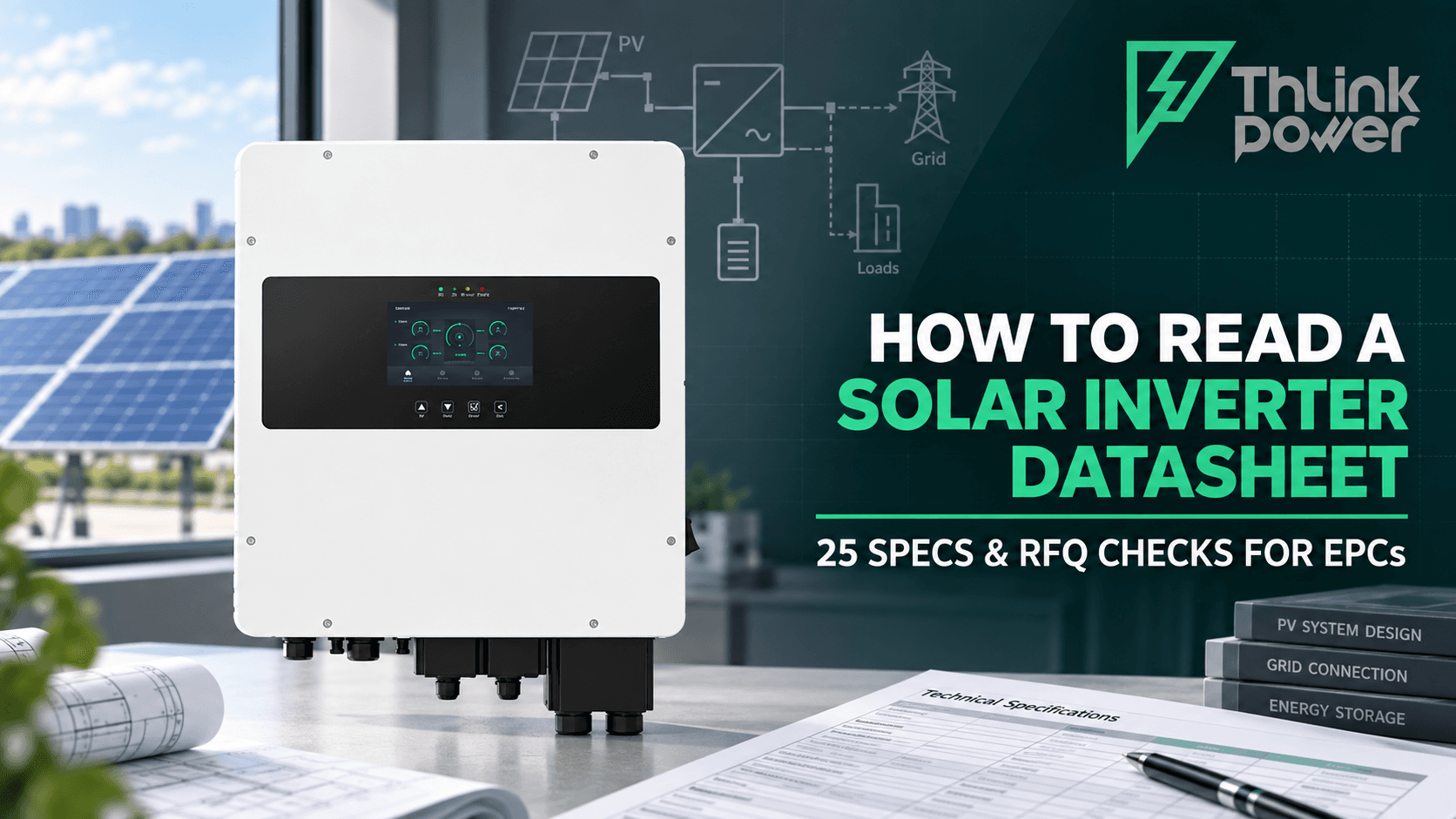
The global energy transition has placed efficiency and scalability at the center of solar system design. High frequency inverters stand out because they provide compact architecture, lightweight design, and superior conversion rates—features increasingly demanded in residential, commercial, and industrial applications. For decision-makers planning long-term investments, the difference often lies in choosing the right high frequency inverter manufacturer, one capable of delivering consistency and customization at scale.
Why Advanced Manufacturing Makes the Difference
A high frequency inverter is only as strong as the factory behind it. Manufacturers play a decisive role in shaping durability, compliance, and innovation. This includes not only the production of components but also the integration of engineering knowledge, digital technologies, and rigorous testing procedures.
Key Manufacturing Differentiators
-
Automated Assembly Lines: Guaranteeing precision in every circuit and reducing defects.
-
In-House R&D: Driving continuous improvements in switching technology, thermal management, and digital controls.
-
Comprehensive Quality Tests: Stress simulations for heat, dust, humidity, and voltage fluctuations.
-
International Certification: Compliance with CE, IEC, UL, and other global standards to secure rapid market entry.
Application Scenarios Where High Frequency Inverters Excel
Different environments highlight different strengths of high frequency designs. Instead of being limited to a single sector, these inverters adapt across scales, making them versatile investments for energy developers and solution providers.
Applications and Their Demands
-
Residential Rooftops: Compact size ensures easy installation without sacrificing efficiency.
-
Commercial Buildings: Seamless integration with grid systems reduces downtime and operational risks.
-
Industrial Parks: High tolerance for fluctuating loads supports precision-driven automation.
-
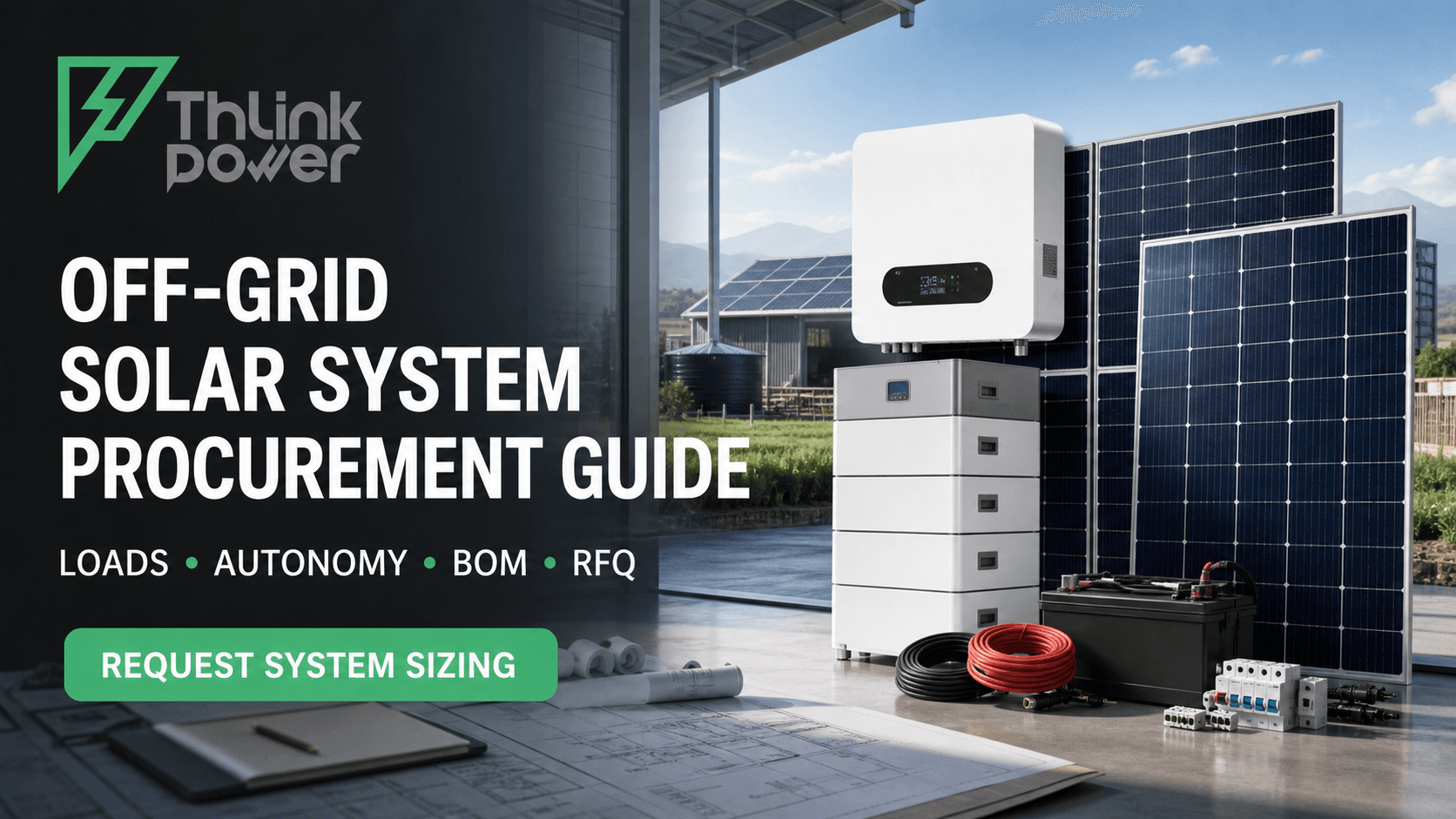
Remote Hybrid Systems: Lightweight designs simplify logistics while enabling integration with batteries and backup generators.
These scenarios illustrate how the capabilities of an OEM inverter factory extend far beyond simple hardware production—they enable projects to function reliably under varied and often harsh conditions.
Beyond Production: Added Value from Trusted Manufacturers
In today’s competitive energy market, partners need more than a box of equipment. Strong manufacturers differentiate themselves by offering services and support that reduce risk, save costs, and accelerate project timelines.
Value-Added Advantages for Partners
-
OEM & ODM Customization: Tailoring voltage, enclosure, and interface design to specific market requirements.
-
Scalable Supply Capacity: Flexible production that grows alongside partner demand.
-
Engineering Consultation: Support for hybrid configurations and complex system designs.
-
After-Sales Assistance: Ensuring long lifecycle performance with monitoring and troubleshooting support.
At ThlinkSolar, these advantages transform our role from a supplier to a long-term partner in renewable energy growth.
Real-World Challenges and Practical Solutions
Rural developers, industrial operators, and commercial integrators often share similar concerns: costs, reliability, and adaptability. Smart design and factory-backed expertise directly address these issues.
-
Affordability: While high frequency inverters carry higher upfront costs, they save in logistics, installation, and lifetime efficiency gains.
-
Reliability: Testing protocols ensure resilience in extreme climates, from tropical humidity to industrial dust.
-
Adaptability: OEM production allows customization for different grids, voltages, and applications without compromising compliance.
These solutions make high frequency inverters a long-term asset rather than a short-term cost.
Common Questions About High Frequency Inverters
Q1: Are high frequency inverters durable enough for industrial projects?
Yes. With reinforced casing, thermal design, and certified testing, they can handle demanding loads.
Q2: Can factories support small pilot projects before scaling up?
Absolutely. OEM manufacturers often begin with smaller runs to validate performance before moving into mass production.
Q3: How do they integrate with storage systems?
High frequency inverters are designed to support hybrid integration, enabling smooth energy flow between PV, batteries, and backup sources.
Driving Renewable Growth with Smarter Manufacturing
Efficiency in renewable energy is not only about higher conversion rates—it’s about how manufacturers embed performance, compliance, and reliability into every unit. A strong high frequency inverter manufacturer provides the expertise, customization, and scalability needed to transform projects into long-term successes.
For tailored high frequency inverter solutions, contact our team through the ThlinkSolar contact page.