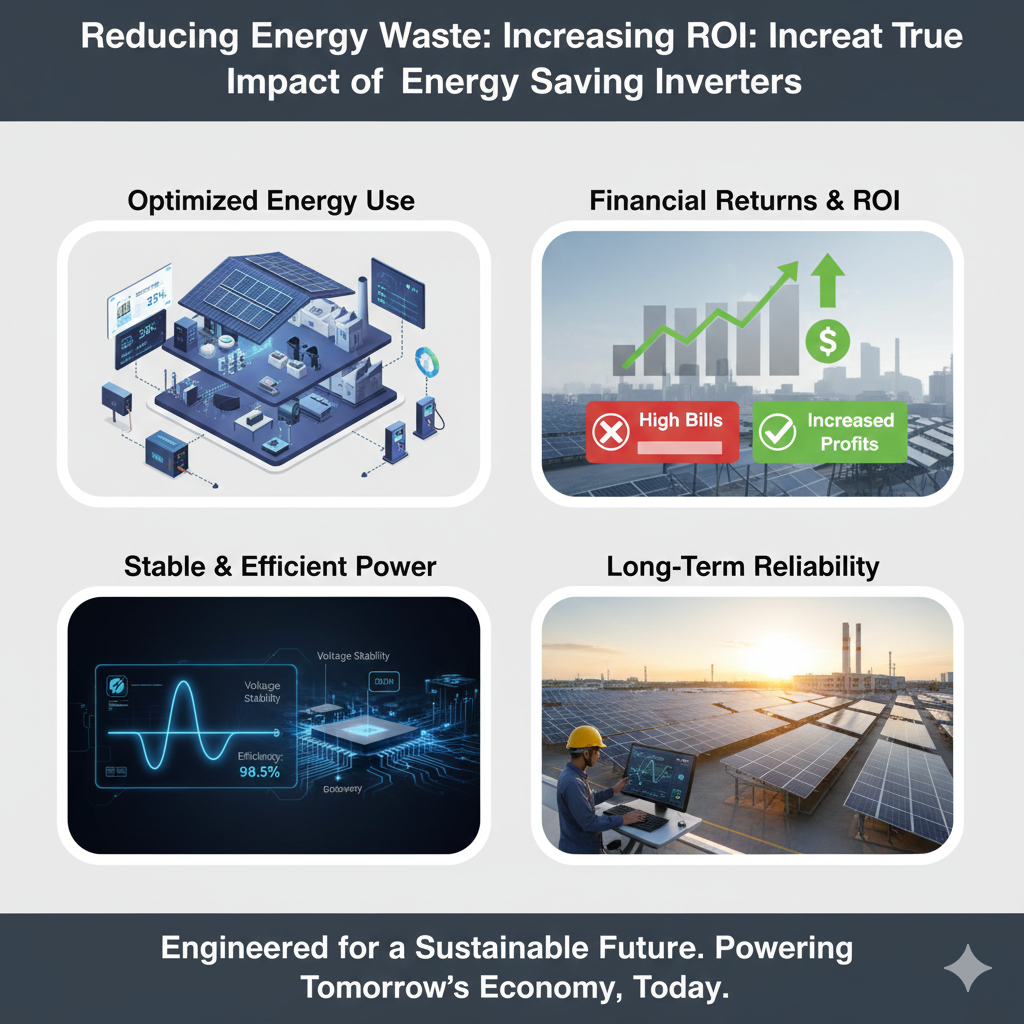
Reducing Energy Waste, Increasing ROI: The True Impact of Energy Saving Inverters
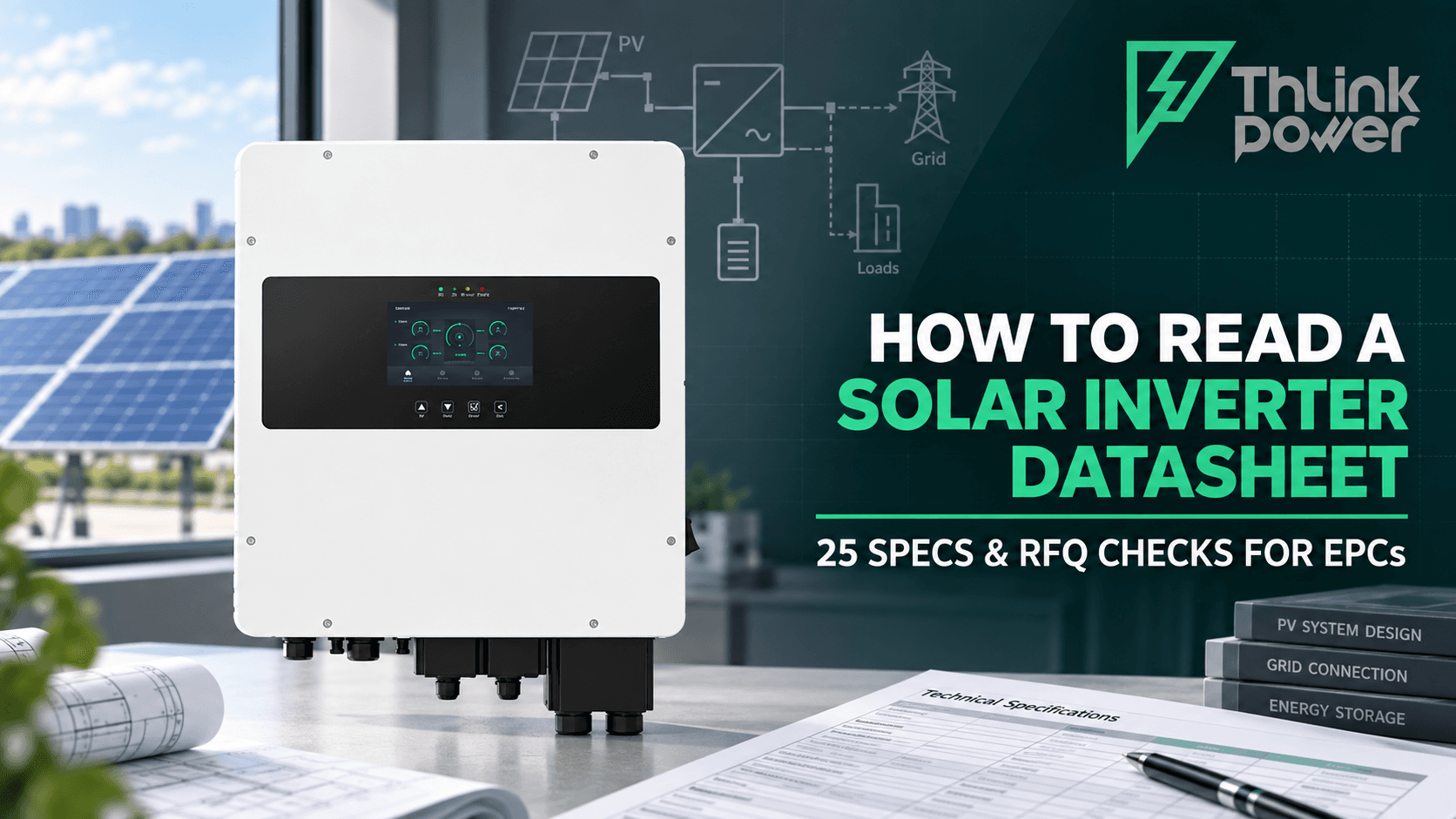
Industrial energy systems face a recurring challenge: converting and managing power without losing efficiency. Even minor conversion losses, when multiplied over time, can translate into substantial costs. An energy saving inverter directly addresses this problem by maximizing power conversion efficiency, minimizing idle consumption, and improving the overall stability of solar and hybrid systems.
In modern factories, logistics centers, and data facilities, efficiency is not simply about saving electricity—it’s about securing predictable performance, reducing load fluctuations, and maintaining consistent productivity.
How Energy Saving Inverters Optimize System Efficiency
An inverter’s efficiency defines how much solar-generated power is actually usable. Traditional inverters may lose 3–5% of energy through heat, partial load inefficiency, or poor switching algorithms. In contrast, Thlinksolar integrates multi-stage power conversion technology, achieving conversion rates above 98%, even under variable weather or grid conditions.
Its energy saving inverter incorporates dynamic MPPT (Maximum Power Point Tracking) and low standby consumption design, ensuring minimal energy waste during both active and idle periods. The system also supports adaptive cooling that automatically adjusts fan speed based on temperature load, reducing auxiliary power draw and extending component life.
Power Stability Through Smart Load Management
Many industrial applications experience uneven load cycles—compressors, conveyors, and heavy machinery often cause voltage dips and surges. Energy saving inverters stabilize these fluctuations by intelligently managing reactive power and balancing phases.
This ensures consistent current delivery to critical systems without unnecessary stress on wiring or grid infrastructure. For solar-based systems, the inverter’s logic allows instant adaptation to changing irradiance, maintaining optimal energy output regardless of sunlight variability.
The result is a smoother, safer, and more stable operational flow, particularly valuable for continuous production environments or multi-shift operations.
Key Technical Advantages and Benefits
| Technical Feature | Description | Real-World Value |
|---|---|---|
| High Conversion Efficiency | 98%+ under variable load conditions | Maximized solar yield, reduced waste |
| Dynamic MPPT | Adjusts to panel voltage in milliseconds | Stable performance under cloud variation |
| Intelligent Cooling | Smart fan control reduces auxiliary loss | Lower noise, extended system lifespan |
| Reactive Power Compensation | Balances grid voltage automatically | Improved power factor and stability |
| Low Standby Consumption | <2W in idle mode | Reduces long-term operational costs |
Each function of the energy saving inverter contributes not only to efficiency but to system reliability—ensuring every watt generated contributes to real output.
Industrial and Commercial Applications
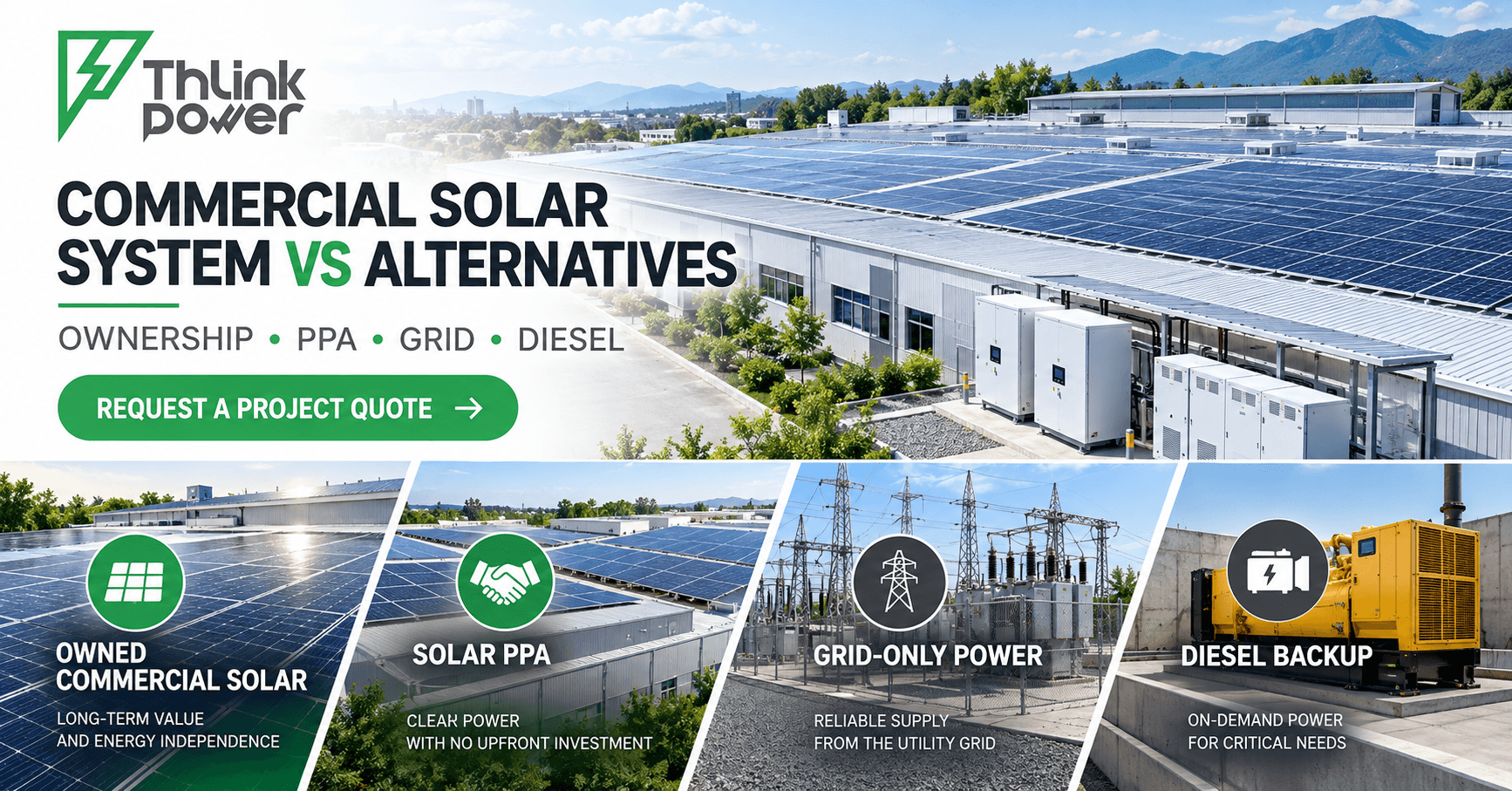
From manufacturing plants to data centers, the demand for consistent, cost-effective energy has never been greater.
-
Manufacturing Lines: Maintain output stability for robotics, presses, and assembly systems.
-
Warehouses and Cold Storage: Keep refrigeration and automation uninterrupted under fluctuating load.
-
Office Buildings and Retail Centers: Cut energy bills while improving grid responsiveness.
-
Renewable Power Farms: Optimize power conversion to improve ROI on large-scale solar investments.
In all scenarios, the inverter acts as the unseen architect of efficiency—an intelligent system that ensures the clean energy generated actually translates into measurable savings.
Integration with Hybrid and Smart Grid Systems
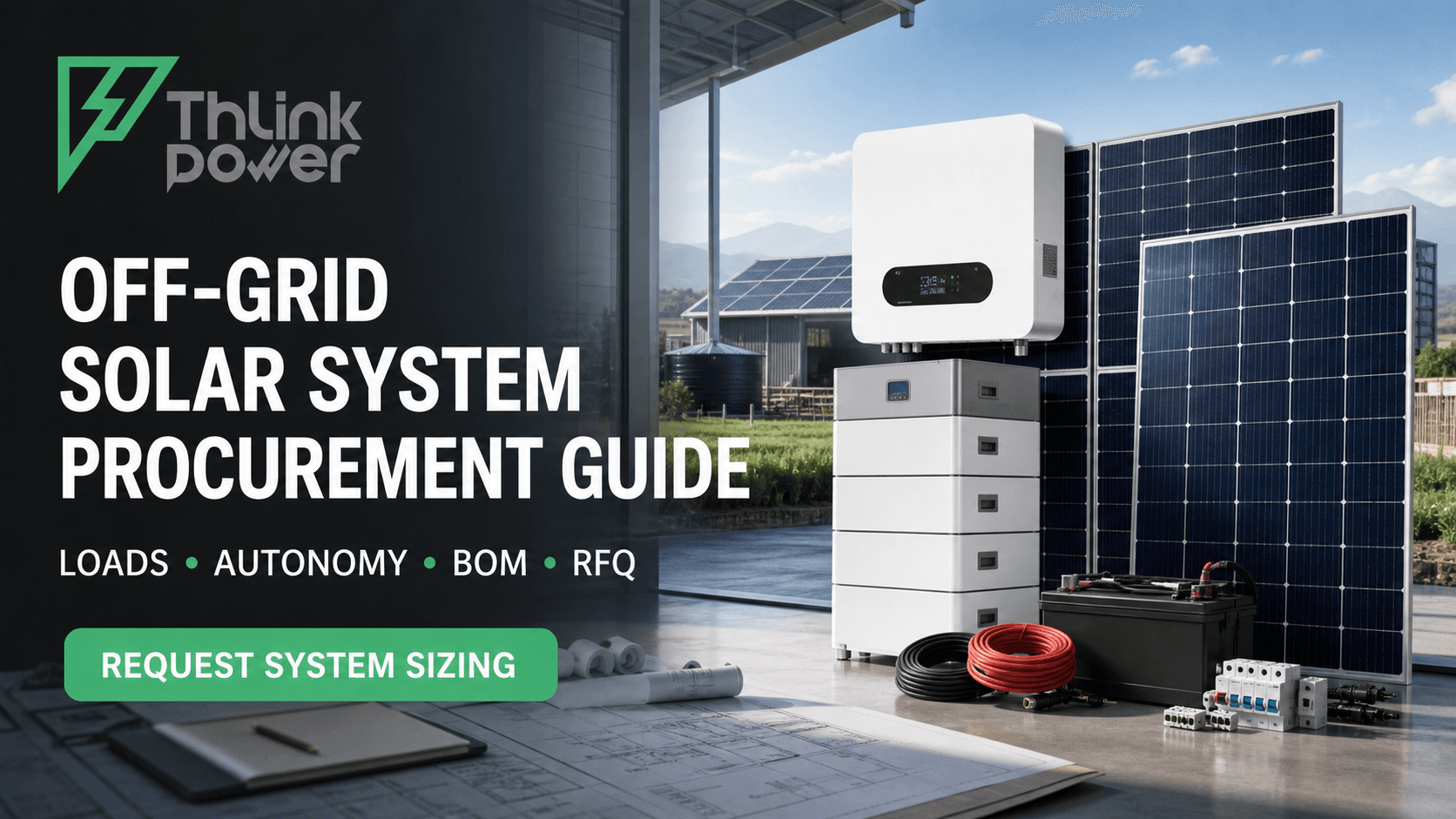
Energy management doesn’t stop at conversion—it requires system-wide coordination. Thlinksolar develops its inverters to integrate with hybrid systems, combining solar generation, battery storage, and grid input within a unified logic framework.
The inverter communicates through open protocols (RS485 / Wi-Fi / GPRS), enabling real-time monitoring and remote performance adjustment. For EPCs and OEM partners, customizable parameters such as startup voltage, load priority, and grid feed control provide flexibility for diverse regional regulations and operational goals.
Whether part of an industrial microgrid or a commercial rooftop array, the inverter supports scalable configurations to match energy demand curves efficiently.
Frequently Asked Questions
Q1: How does an energy saving inverter differ from a standard inverter?
A: It maintains higher conversion efficiency across all load conditions, uses intelligent cooling, and minimizes standby loss—helping facilities achieve measurable cost savings over time.
Q2: Can it integrate with existing solar or hybrid systems?
A: Yes. The inverter supports flexible communication protocols and can be easily incorporated into existing setups without extensive rewiring or redesign.
Building Long-Term Efficiency into Every Power System
The shift toward sustainable energy is not just about generation—it’s about intelligent consumption. An energy saving inverter represents that evolution, turning every kilowatt of solar power into optimized, reliable output.
By combining advanced conversion technology with real-time adaptive control, Thlinksolar helps industries lower energy waste, extend system lifespan, and achieve consistent financial returns through stable performance.
Learn more about integrated inverter and energy storage solutions at Thlinksolar.com, or get in touch through Contact Us for technical consultation.