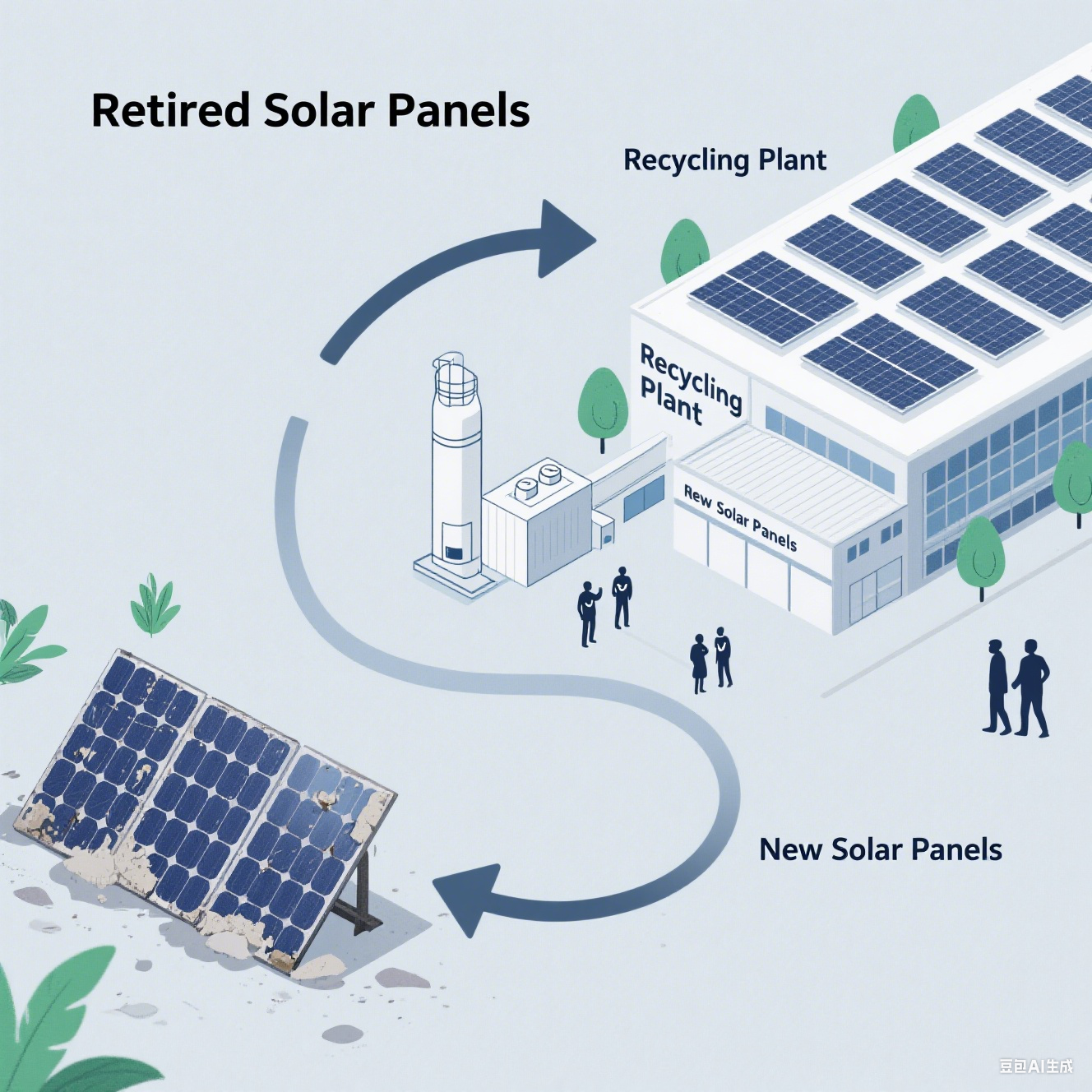
The global shift towards renewable energy has led to a massive installation of solar panels, heralding a cleaner future for power generation. While this transition is crucial for combating climate change, it raises a significant long-term question: what happens to these panels at the end of their 25-30 year lifespan? The answer lies in effective photovoltaic modules recycling, a critical component for ensuring the solar industry remains truly sustainable. Without a proper end-of-life plan, we risk trading one environmental problem for another, making the development of efficient recycling solutions an industry-wide imperative.
The Growing Need for PV Module Waste Management
The sheer volume of decommissioned solar panels is set to become a major challenge in the coming decades. Projections indicate that by 2050, cumulative solar panel waste could amount to millions of metric tons globally. Proper PV module waste management is not just about managing space in landfills; it's about environmental protection and resource conservation. Solar panels contain valuable materials like aluminum, copper, silver, and high-quality glass, but also small amounts of potentially hazardous substances such as lead and cadmium. Simply discarding them can lead to soil and water contamination, undermining the environmental benefits solar energy provides. This makes developing robust systems for solar panel recycling an urgent priority for governments and industries worldwide.
Inside the Solar PV Recycling Process
The solar PV recycling process is a multi-step procedure designed to recover a high percentage of a panel's components for reuse. It typically begins with the manual or automated removal of the aluminum frame and the junction box, which allows for the immediate recovery of valuable aluminum and copper wiring. The remaining laminate, consisting of glass, polymers, and the silicon cells, then undergoes a complex separation process. This can involve thermal treatments to burn off plastics, or mechanical shredding followed by various advanced separation techniques to sort the materials by size and density. Through these methods, it's possible to reclaim over 95% of the panel's materials, including high-purity glass, silicon, and precious metals, which can then be fed back into manufacturing supply chains.
| Step/Aspect of Recycling Process | Key Details |
|---|---|
| Initial Component Removal | Manual/automated removal of aluminum frame and junction box; recovers aluminum and copper wiring. |
| Laminate Separation | Laminate (glass, polymers, silicon cells) undergoes thermal treatments (to burn plastics) or mechanical shredding + advanced separation (sorts by size/density). |
| Material Recovery | Over 95% of materials reclaimed, including high-purity glass, silicon, and precious metals; reused in manufacturing supply chains. |
Innovations in Sustainable Solar Recycling
As the industry matures, the focus is shifting towards more efficient and environmentally friendly recycling methods. The ultimate goal of sustainable solar recycling is to create a truly circular economy for the solar sector, minimizing waste and maximizing resource recovery. This involves research into innovative processes that use less energy and fewer harsh chemicals, as well as designing new photovoltaic modules with end-of-life disassembly in mind. By creating a closed-loop system where old panels directly supply the raw materials for new ones, we can significantly reduce the carbon footprint, resource dependency, and overall environmental impact of solar energy production.
The Path Forward for Recycling Photovoltaic Panels
The future of green energy depends heavily on our ability to responsibly manage its byproducts. Establishing a comprehensive and economically viable infrastructure for recycling photovoltaic panels requires collaboration between governments, manufacturers, installers, and recycling facilities. Supportive policies, extended producer responsibility schemes, and increased consumer awareness are all essential pieces of the puzzle. By investing in and prioritizing these recycling efforts, we can address the end-of-life challenge head-on and ensure that solar power remains a clean, responsible, and enduring solution for a sustainable planet for generations to come.
For more information on photovoltaic technology, please visithttps://youtu.be/JB56vgBNr6E?si=48ZjW1I9exvg7s-ofor detailed content.