
Why Your Solar Power Isn’t Working as Expected: The Real Role of an Inverter
A customer recently contacted thlinksolar and said, “I installed a high-quality 5kW solar panel system, but my electricity bills barely dropped. What went wrong?”
Our diagnosis:The inverter was underperforming.
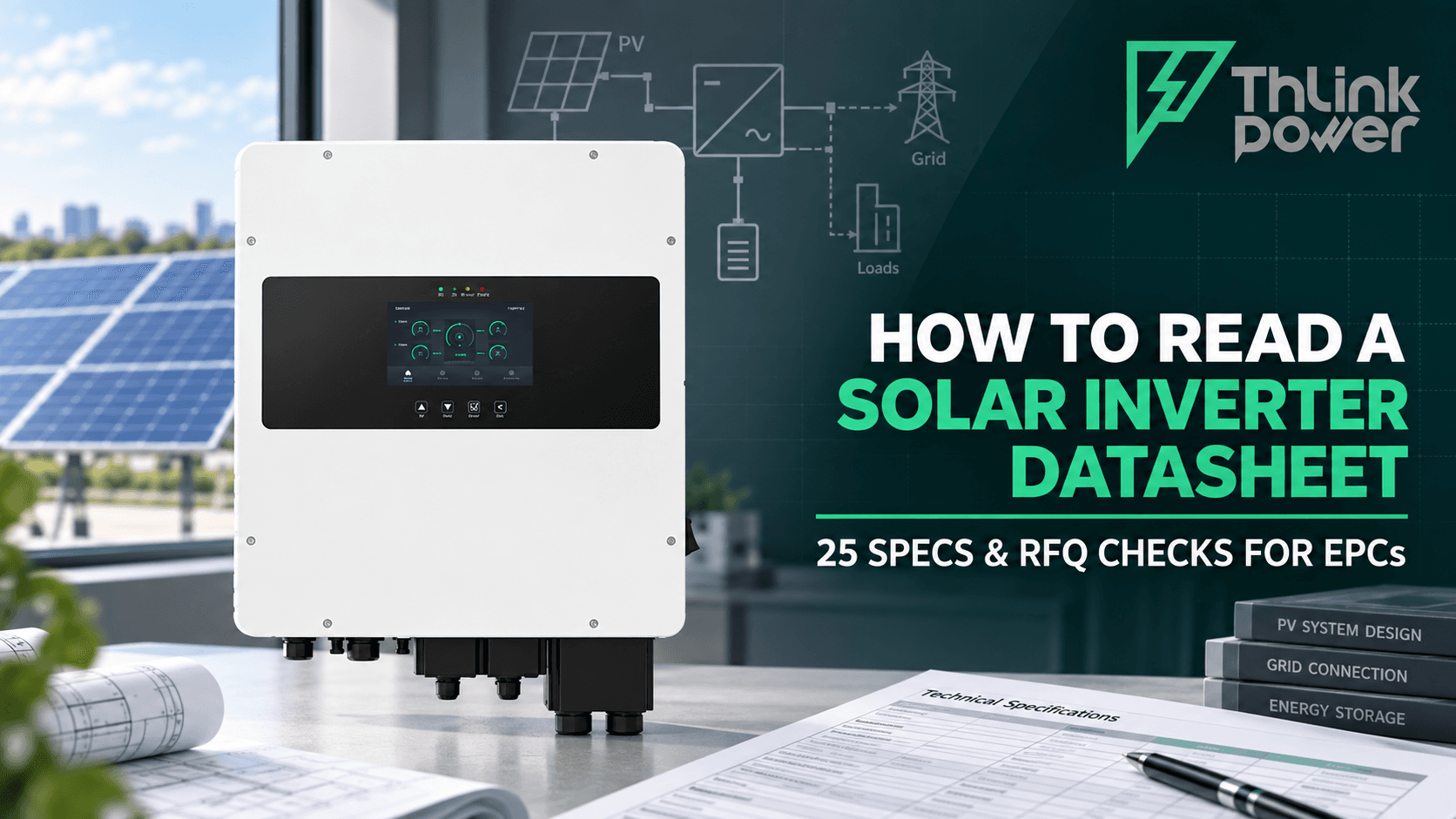
This happens more often than you’d think. Homeowners, farms, and even commercial setups invest in good panels but overlook one key device—the solar inverter. Without efficientDC to AC conversion, your solar energy is wasted or unstable.
Let’s walk through what that means—and how to fix it.
What Most Solar Users Don’t Realize About DC and AC
Solar panels naturally generateDC (direct current). But your home, office, and national grid all run onAC (alternating current).
Many first-time solar buyers don’t realize:
-
Appliances like refrigerators and TVs only run on AC
-
DC from panels is useless until it’s converted
-
Poor conversion leads to power losses, flickering, or even damaged electronics
Your inverter is not just a converter—it’s your energy gatekeeper.
Real Concerns from Solar Users (And What Causes Them)
“My lights flicker when switching appliances.”
-
Likely cause: your inverter isn’t delivering a clean sine wave or stable AC output.
“My air conditioner trips during hot afternoons.”
-
Possible cause: voltage drops or overheating in a low-grade inverter.
“I don’t see savings on my power bill despite sunshine.”
-
Most common: your inverter isn’t maximizing output via MPPT (Maximum Power Point Tracking).
According to theInternational Energy Agency (IEA), inverter inefficiency or mismatch can lead to18–25% system underperformance, especially in hybrid setups.
What Actually Happens Inside an Inverter
At thlinksolar, we explain the process like this:
-
Solar panels feed in DC
-
The inverter pulses and shapes this into AC
-
Advanced filtering creates a pure sine wave
-
The system then synchronizes with your home or local grid
Each of these steps must workwithin milliseconds, constantly adapting to sunlight, panel temperature, and your home’s power demand.
That’s why thlinksolar inverters come with MPPT, surge protection, and real-time monitoring—to ensure efficiency under real-world conditions.
Solar Panels Working, But Nothing Powers On
One of our commercial clients in Southeast Asia installed a solar system with top-tier panels—but chose an entry-level inverter. They quickly reported:
-
TV screens flickering
-
Battery not charging fully during cloudy days
-
Grid-fed energy not tracking correctly
We replaced the inverter with athlinksolar hybrid MPPT model, optimized for humid, variable-light regions. Results:
-
30% more usable AC power
-
Stable indoor voltage
-
Fully functioning battery backup
What You Can Do to Avoid These Problems
Whether you’re installing a new system or troubleshooting an existing one, here’s what to do:
-
Always size your inverter properly(too small = overload; too big = waste)
-
Insist on MPPT optimizationto get the most from variable sunlight
-
Ensure pure sine wave outputfor appliance protection
-
Choose inverters with real-time monitoringto catch issues early
-
Consider your location’s heat/humidity—ventilation and IP rating matter
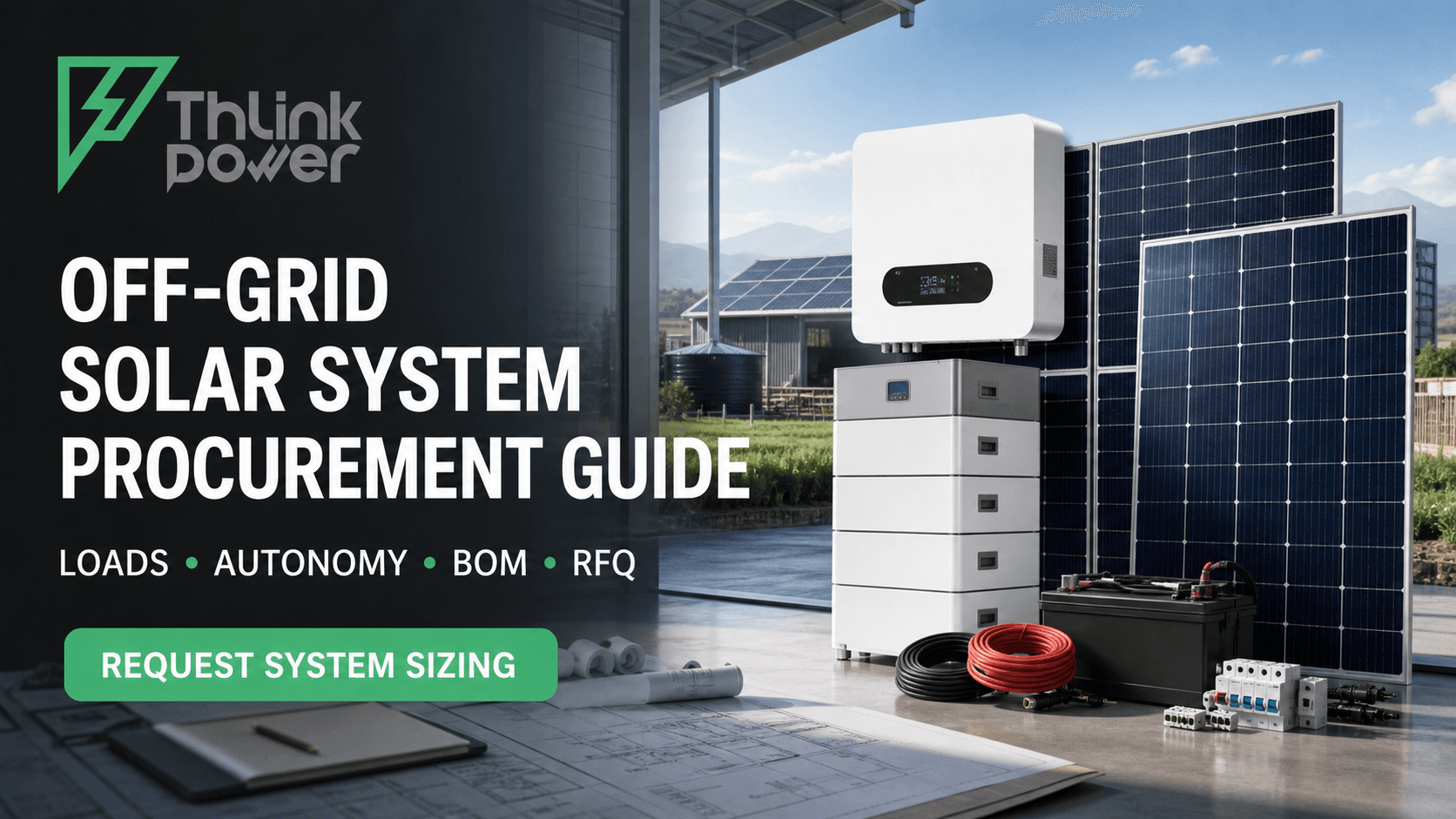
thlinksolar offers inverters specifically designed for remote, high-temperature, and hybrid systems—used across Africa, Southeast Asia, and South America.
Don’t Let a Weak Inverter Limit a Strong Solar System
Solar panels are only part of the story. If your inverter isn’t converting power efficiently, you’lllose energy, money, and trust in your system.
By understanding how DC becomes AC—and choosing the right inverter—you protect your investment and unlock real performance.
Explore our inverter lineup on ourhomepage.