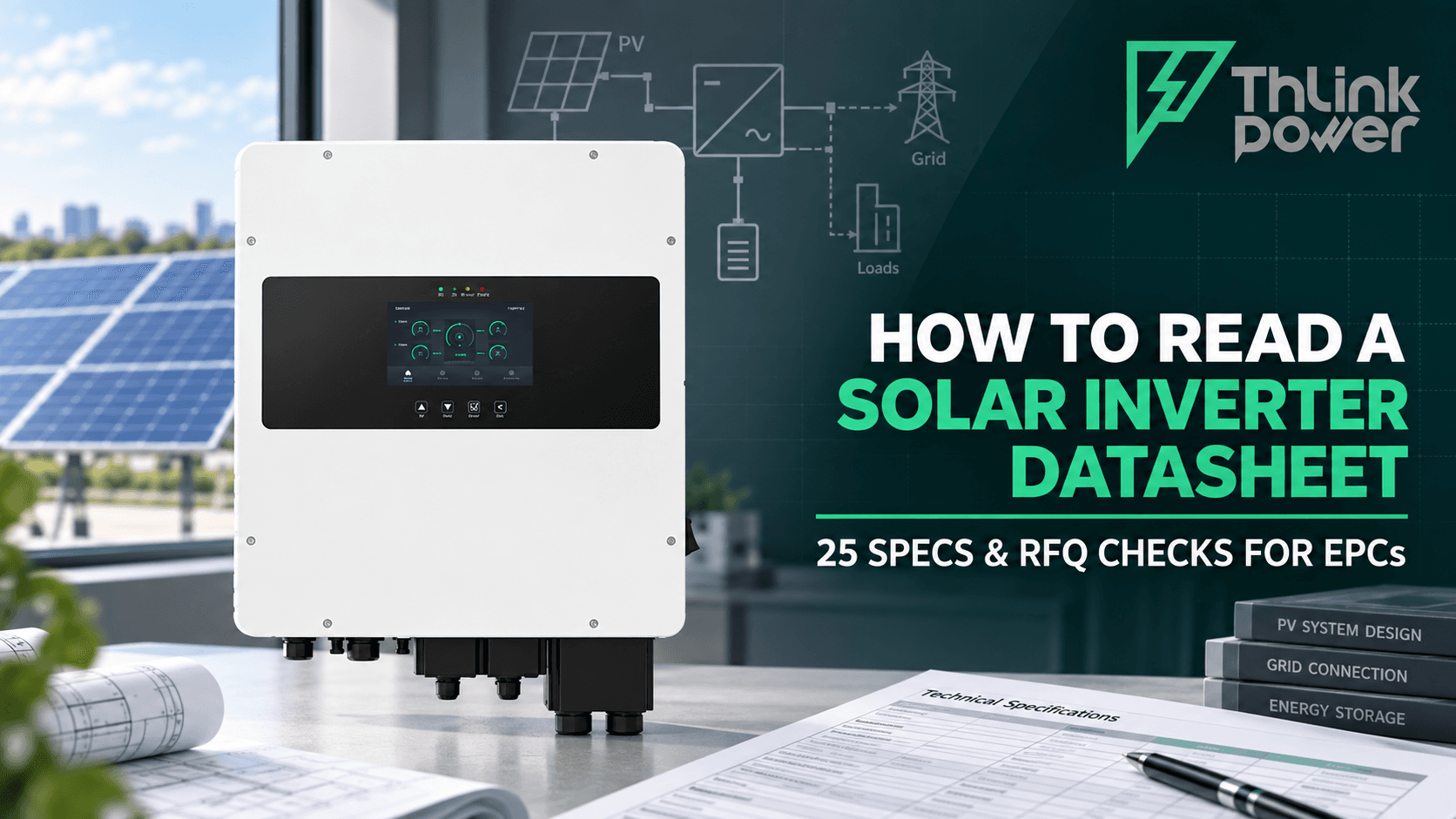
When planning a solar energy system, much of the focus is placed on the panels themselves—their size, wattage, and appearance. However, the true workhorse of your photovoltaic setup is the inverter, and understanding solar inverter efficiency is paramount to maximizing your energy production and return on investment. The inverter is a critical device that converts the direct current (DC) electricity generated by your solar panels into alternating current (AC) electricity that can power your home's appliances and be fed back into the grid. Without an efficient conversion process, a significant portion of the valuable energy your panels produce could be wasted.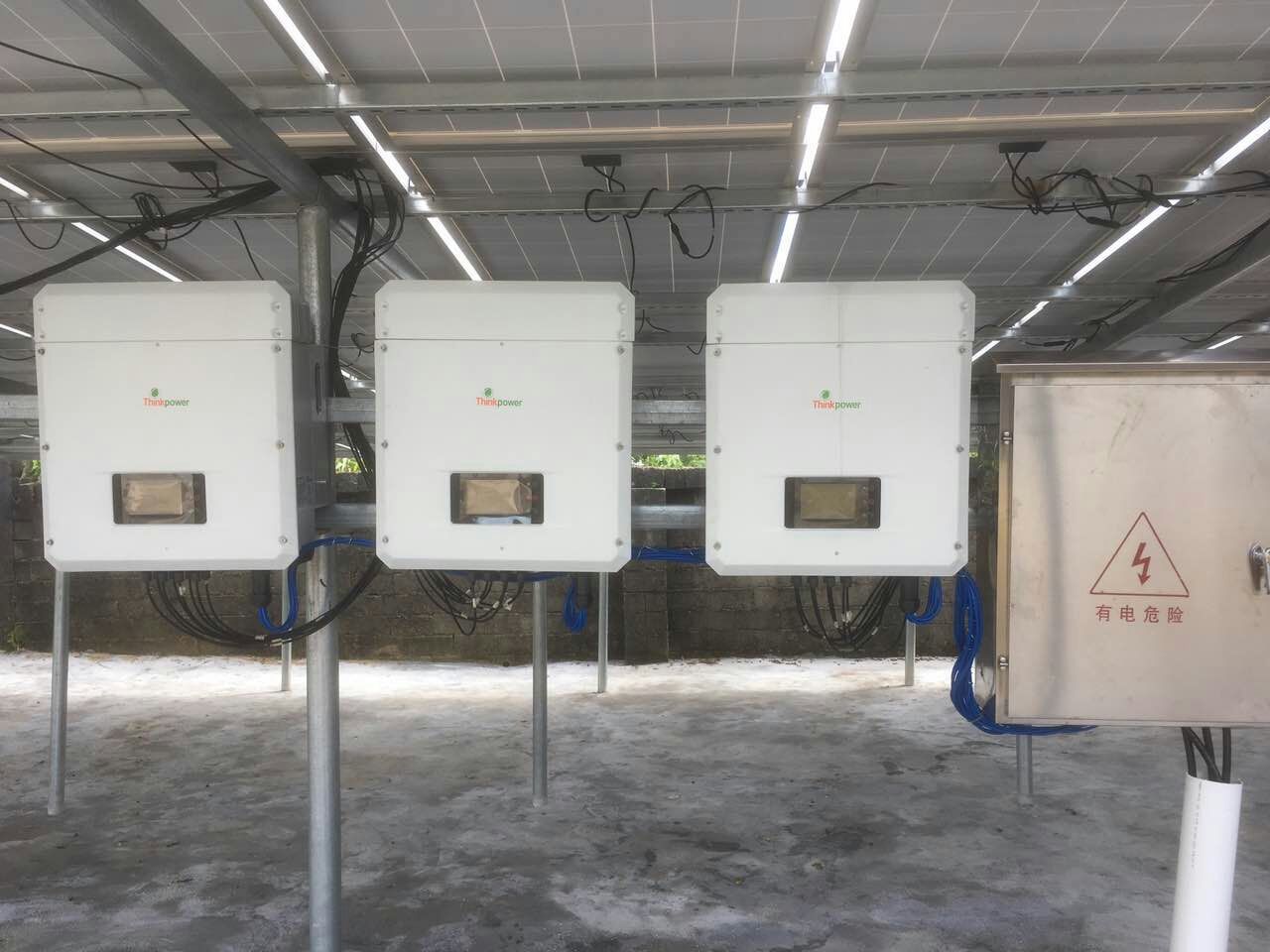
Decoding Inverter Efficiency Ratings
When you begin comparing different models, you will quickly encounter inverter efficiency ratings, typically expressed as a percentage. This number represents how effectively the inverter converts DC power to AC power. For instance, an inverter with a 97% efficiency rating means that for every 1000 watts of DC power it receives from the panels, it will output 970 watts of usable AC power, with the remaining 3% being lost, primarily as heat. It is important to distinguish between 'peak' and 'weighted' efficiency. Peak efficiency is the highest performance an inverter can achieve under ideal laboratory conditions, while weighted efficiency (like CEC or European ratings) provides a more realistic measure of solar inverter performance by averaging its efficiency across a range of power outputs, mimicking the variable sunlight conditions of a typical day.
What Influences Solar Inverter Performance?
An inverter's datasheet provides a great starting point, but several real-world factors influence its day-to-day solar inverter performance. Temperature is a major one; inverters generate heat during the conversion process and can lose efficiency if they become too hot. Proper installation with adequate ventilation is crucial to maintain optimal operating temperatures. Furthermore, an inverter’s efficiency isn't constant. It operates on an efficiency curve, meaning it is more or less efficient depending on the load it is handling. It may be most efficient at 50-75% of its rated capacity rather than at 100%. This is why weighted inverter efficiency ratings are so valuable, as they account for this variable performance throughout the day.
| Factor | Brief Explanation |
|---|---|
| Temperature | Inverters generate heat during DC-AC conversion; overheating reduces efficiency. |
| Ventilation/Installation | Proper installation with sufficient airflow is critical to maintain optimal temps. |
| Load Level | Efficiency follows a curve – best at 50-75% of rated capacity (not 100%). |
| Weighted Efficiency Ratings | Account for variable performance across daily load changes (more practical than static specs). |
Choosing High Efficiency Solar Inverters for Maximum Output
Investing in high efficiency solar inverters directly translates to more electricity and greater savings over the system's lifespan. While a difference of 1-2% might seem small, it can add up to a significant amount of generated energy over 15 to 25 years. This choice impacts the entire system's output. The overall solar panel inverter efficiency is a chain where every link matters; even the most productive panels are bottlenecked by an inefficient inverter. When selecting an inverter, look for a high weighted efficiency rating, consider the manufacturer's reputation for reliability, and ensure the inverter is sized correctly for your specific solar array to ensure it operates within its most efficient range as often as possible.
The Bottom Line on Inverter Efficiency
In conclusion, while solar panels may be the face of a renewable energy system, the inverter is the hardworking brain. A higher solar inverter efficiency means more of the sun's energy captured by your panels is converted into power for your home. By looking beyond simple peak ratings and considering weighted efficiency, real-world performance factors, and the importance of high efficiency solar inverters, you can make an informed decision that ensures your solar investment performs at its best for decades to come, maximizing both your energy independence and your financial returns.
For more information on photovoltaic technology, please visithttps://youtu.be/JB56vgBNr6E?si=48ZjW1I9exvg7s-o or https://www.youtube.com/@ThlinksolarEnergy for detailed content.