Energy Efficiency Is the New Investment Multiplier
For modern energy buyers, efficiency is no longer a technical metric — it’s a financial one.
Every percentage point of conversion efficiency translates into measurable savings across equipment, installation, and lifetime operation.
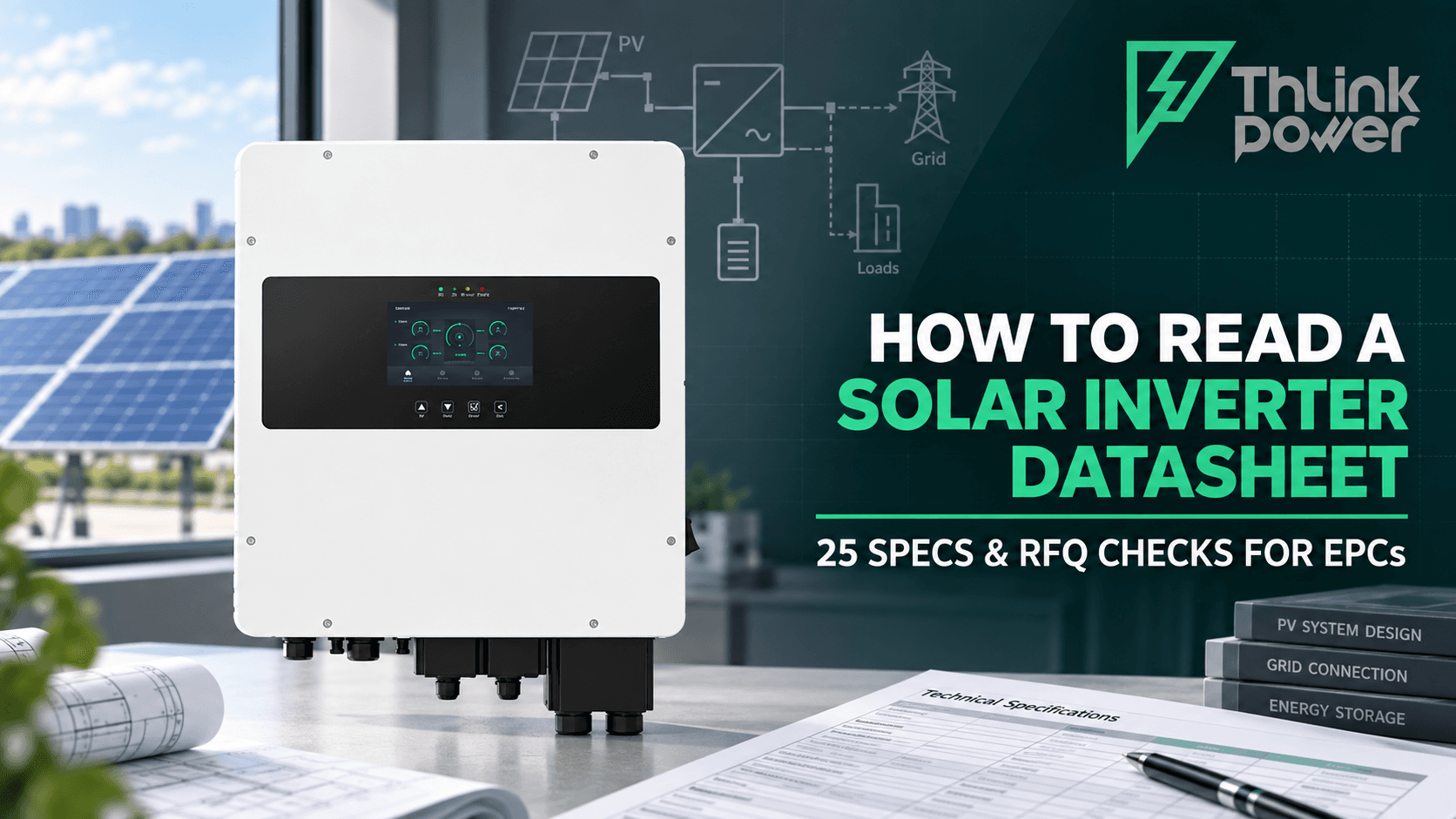
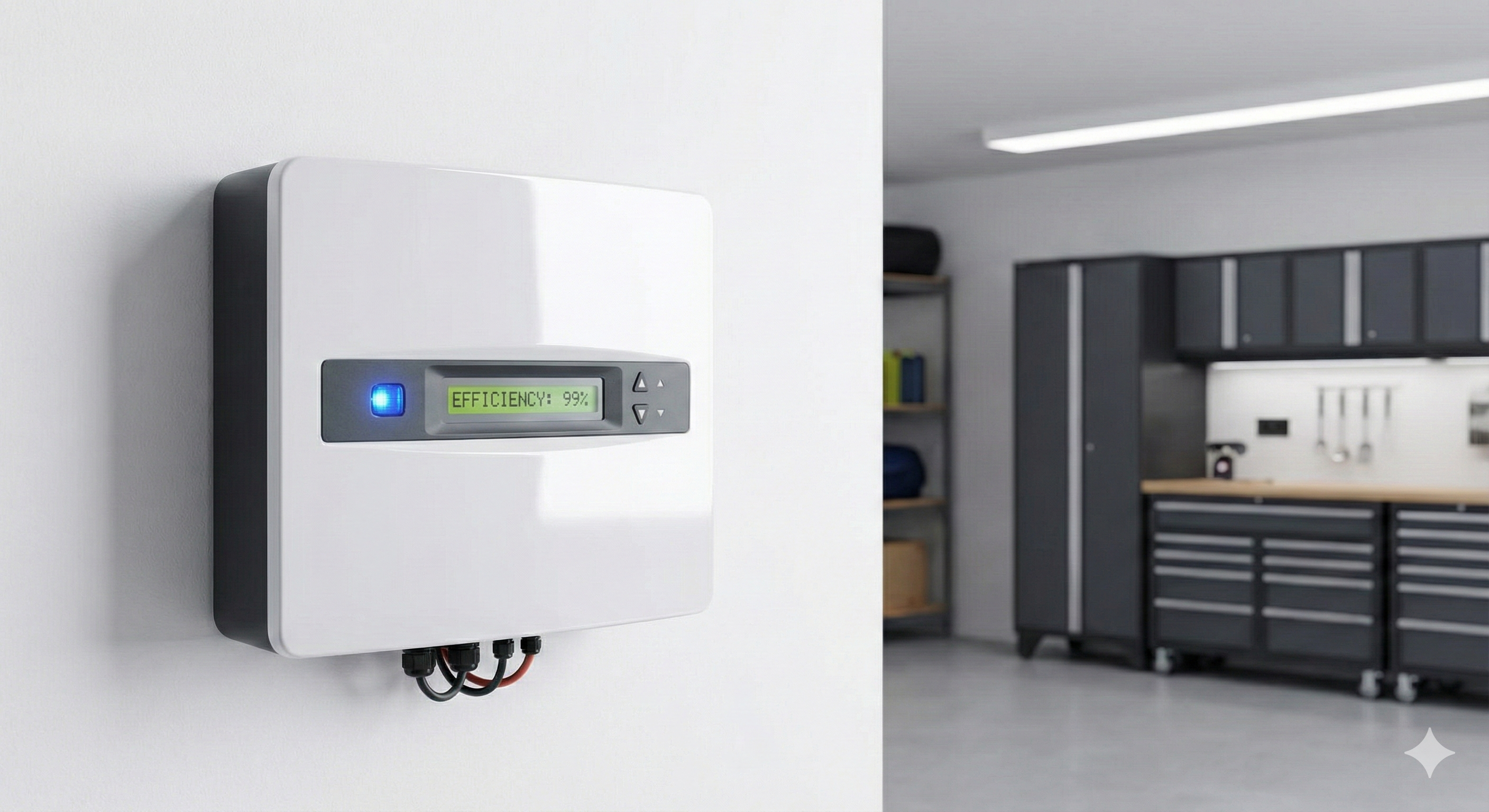
A high efficiency solar inverter operates above 97–99% conversion efficiency, meaning almost every kilowatt generated by solar panels becomes usable power. For both residential and commercial systems, that can mean thousands of dollars saved over time, while also ensuring grid stability and energy resilience.
As IRENA’s Renewable Energy Statistics 2024 points out, inverter efficiency contributes to nearly 15% of total system ROI in commercial installations.
Source: IRENA Renewable Energy Statistics 2024
How Efficiency Shapes Real-World Returns
Inverter performance determines not just how much power you generate — but how much you keep.
Even minor differences in efficiency have major cost implications across years of operation.
| Inverter Type | Average Efficiency | Typical Energy Loss | 10-Year Cost Impact |
|---|---|---|---|
| Conventional (String Type) | 94.5% | 5.5% | -$2,500 (medium-scale system) |
| High Efficiency (MPPT Type) | 98.8% | 1.2% | +$3,400 in retained energy value |
What makes high-efficiency systems different is how they adapt to varying sunlight conditions.
Smart MPPT (Maximum Power Point Tracking) continuously adjusts current and voltage to ensure optimal conversion, especially under partial shading, cloudy days, or uneven panel arrays.
This flexibility means energy output stays stable even when nature isn’t.
Technical Core: Why High Efficiency Systems Outperform
The leap from a 95% to a 99% inverter may seem small — but behind it lies a reengineered electrical backbone:
-
Low-Resistance Power Electronics – Reduces heat loss in conversion circuits.
-
Silicon Carbide (SiC) Switching Devices – Deliver faster response times and higher current tolerance.
-
Real-Time MPPT Algorithms – Adjust performance 1,000 times per second.
-
Thermal Optimization – Keeps core components below 60°C, reducing degradation.
-
Reactive Power Support – Stabilizes voltage during fluctuating loads.
According to MDPI Energies (2024), advanced SiC-based inverters achieved 30% less energy waste and 25% longer component lifespan compared to traditional MOSFET-based systems.
Source: MDPI Energies – SiC Power Conversion 2024
Investment Efficiency: Beyond Energy Savings
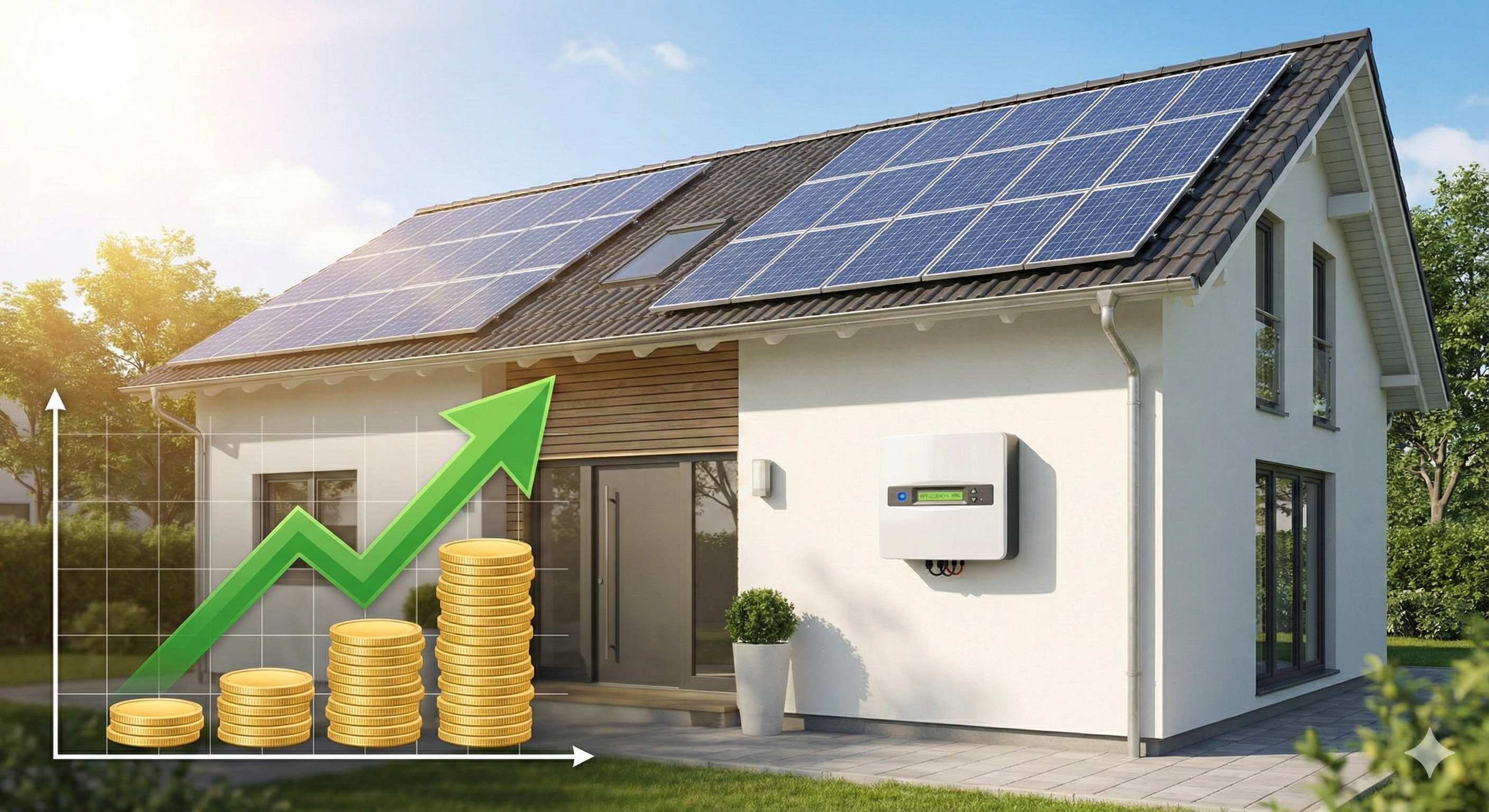
Decision-makers often focus on upfront price — but true ROI comes from the levelized cost of electricity (LCOE).
High-efficiency inverters reduce both operational costs and power loss, directly lowering LCOE across a 10–15 year project lifespan.
| Metric | Low-Efficiency Inverter | High-Efficiency Inverter |
|---|---|---|
| Initial Cost | Lower | Slightly higher |
| Payback Period | 6–8 years | 4–5 years |
| Maintenance Frequency | Every 6 months | Every 12–18 months |
| Long-Term ROI | ~60% | 90–110% |
| System Lifespan | 8–10 years | 12–15 years |
In regions where grid reliability fluctuates, such as Southeast Asia or the Middle East, high-efficiency hybrid models help stabilize both energy flow and operating continuity — a key factor for hotels, offices, and shopping complexes relying on constant power supply.
Integration for Homes and Businesses
For Homes:
Compact high-efficiency inverters maximize limited roof space and reduce noise. Homeowners benefit from faster amortization through energy self-consumption and reduced dependency on the grid.
For Businesses:
Commercial users value the scalability — high-efficiency inverters integrate with monitoring platforms, battery systems, and smart load management to create predictable energy budgets and sustainability reports.
Example: A 200 kW retail park using a 98.8% efficient inverter saved approx. $6,000 per year in electricity equivalence, while maintaining zero downtime during peak hours.
Practical Selection Insights
✅ Efficiency ≥ 98%: Look for models tested under IEC 61683 standards.
✅ Component Quality: Prioritize SiC-based designs and aluminum heat sinks.
✅ Cooling System: Fanless passive or hybrid liquid-air cooling for low maintenance.
✅ Compatibility: Match inverter range (DC/AC ratio) to PV array capacity.
✅ Warranty: Minimum 10-year support with optional lifetime maintenance.
For long-term investors, verifying certifications (CE, IEC, UL, RoHS) ensures smooth regulatory approval and grid interconnection.
Common Questions
Q1: Is a high-efficiency inverter worth the higher price?
Yes. Despite higher upfront cost (≈10–15%), efficiency gains and longer lifespan typically reduce total ownership cost by 20–25%.
Q2: Do these systems require special maintenance?
No. Proper ventilation and dust protection suffice. Most models include self-diagnosis and remote monitoring.
Q3: Can I retrofit my current system?
In many cases, yes. New-generation inverters are compatible with existing PV arrays and monitoring software.
Q4: What’s the best efficiency range for commercial systems?
98–99% is the benchmark. Anything below 97% significantly affects LCOE.
Smarter Energy Starts with Smarter Decisions
A high-efficiency solar inverter is more than a technical upgrade — it’s a financial decision that compounds returns year after year.
It helps homes achieve energy independence and gives businesses a stable, measurable path to sustainability.
At ThlinkSolar, we build inverters engineered for long-term reliability, advanced MPPT performance, and real-world ROI impact.
Explore our systems on ThlinkSolar or consult with our experts via the Contact Us page.