Driving progress: Inside a leading solar inverter factory
Behind every reliable solar power system lies a complex ecosystem of design, testing, and production. Solar inverter factories are the technological backbone of this ecosystem—a place where efficiency targets are met with industrial precision and innovation is measured in kilowatts, not slogans.
In today's renewable energy economy, an inverter is more than just a converter. It determines how efficiently solar energy is converted, stored, and delivered across diverse grid environments. Understanding how modern plants operate helps investors, engineers, and project managers assess long-term reliability beyond the data sheet.
The industrial logic behind each inverter
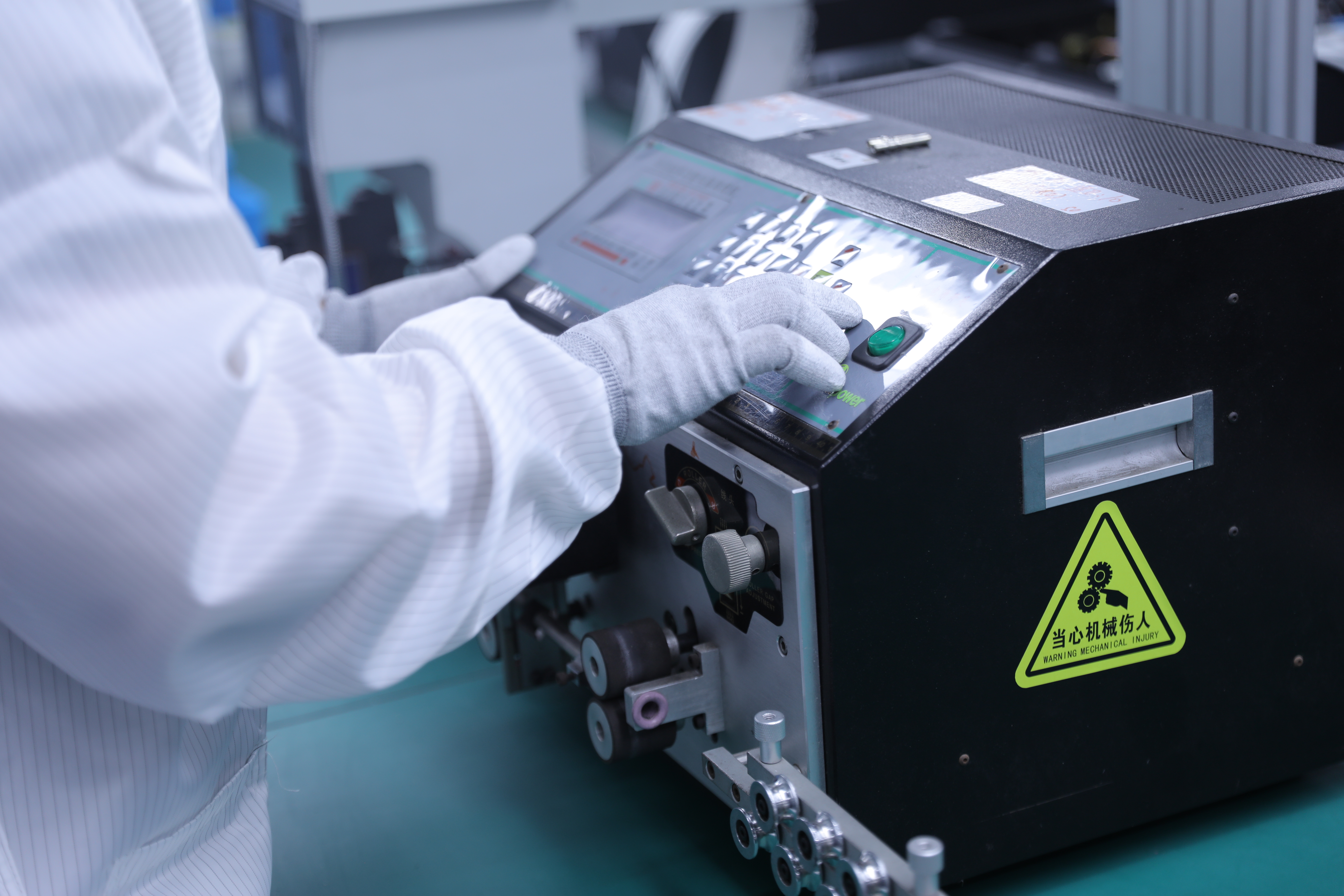
Modern factories no longer rely solely on assembly lines—they operate as integrated ecosystems that combine materials science, digital monitoring, and rigorous validation.
At the core of a high-performance solar inverter factory are three disciplines:
Process Control: Automated SMT production lines ensure uniform component placement and soldering accuracy.
Thermal and load testing: Each inverter undergoes simulated heat and humidity cycles to verify durability.
Data traceability: Each site records production data, linking serial numbers to performance metrics.
Such a system reduces variability and builds long-term trust – crucial for projects where downtime can cost megawatt-hours.
Comparing manufacturing models
| aspect | Traditional factories | Modern solar inverter factory |
|---|---|---|
| Production method | Manual or semi-automatic | AI-driven automation and precision robotics |
| Quality Control | Random batch inspection | Continuous sensor-based inspection |
| efficiency | Average 92–94% | 98.5%+ verification efficiency |
| test | Post-production only | Real-time multi-stage stress simulation |
| Environmental impact | High scrap rate | Closed-loop, low-carbon material processing |
Modern inverter factories operate like smart ecosystems – integrating IoT-based diagnostics, adaptive process control, and recyclable design principles to achieve technical and environmental performance.
Engineering as a competitive advantage
The difference between factories lies not in production quantity but in engineering discipline .
A state-of-the-art facility is determined by three measurable factors:
Thermal Management and Efficiency
Continuous airflow simulation and real-time thermal mapping ensure that conversion efficiency remains consistent even with temperature fluctuations.Component Life
Capacitors and IGBT modules are selected and aged in a controlled environment, extending system life to over 10 years.Digital Verification
Automated inspection stations collect gigabytes of data per batch, enabling statistical modeling and predictive maintenance.
These parameters transform production from a mechanical repetition into a continuous feedback system that continuously improves product quality.
Application range of modern solar inverters
From compact rooftops to grid-scale installations, inverter plants must adapt to different voltage and topology requirements.
Typical deployment scenarios include:
Residential solar-plus-storage systems , where compact design and quiet operation are paramount.
Commercial rooftops requiring grid synchronization and fault detection.
Industrial microgrids require tolerance to irregular loads and surge protection.
Remote hybrid sites that combine PV arrays with diesel or battery backup.
Each application requires different firmware, cooling systems, and housing materials—all of which originate from design concepts on the manufacturing floor.
Procurement logic and technical due diligence
Selecting an inverter factory is not a marketing decision but a technical evaluation.
Buyers and integrators should evaluate:
The factory's certification framework (CE, UL, ISO)
Evidence of a full load stress test for at least 48-72 hours
OEM and grid-specific customization capabilities
Recorded failure rate (MTBF) data
Long-term track record of supply chain consistency
Making technically sound decisions at this stage can directly reduce project risk, installation costs, and long-term maintenance burdens.
Frequently Asked Questions
Question 1: How do you define a reliable solar inverter factory?
Stable process control, certification compliance and repeatable performance testing are key criteria.
Question 2: How does automation affect inverter quality?
Automation reduces soldering errors and component variations, ensuring stable power transfer and long-life operation.
Question 3: Why is traceability crucial in inverter manufacturing?
It allows for precise recall management, warranty tracking, and performance data linking – critical for large-scale solar projects.
Question 4: Are hybrid inverters manufactured in the same factory?
Yes. Our modern factories manufacture hybrid, grid-connected, and off-grid models on modular production lines, with firmware-level customization.
A reliable path towards sustainable manufacturing
The transformation in inverter manufacturing reflects a broader shift in how value is defined in the renewable energy sector – no longer through volume, but through proven performance and lifecycle responsibility.
At Thlinksolar , this principle is applied throughout every stage of design and production. The factory's approach incorporates automation, compliance, and sustainable engineering to ensure reliability for decades to come.
To learn more about our manufacturing processes or explore OEM collaborations, visit our homepage or connect with our team through our contact page .