Avoid These Costly Mistakes When Buying a Commercial Solar System
A small packaging workshop in Uganda invested $6,000 in a solar system. Six months later, they called us frustrated:
“The panels look good, but we still lose power every week. Our machines trip. And no one from the supplier is answering anymore.”
They bought on price alone. No load calculation. No hybrid inverter. No battery plan. No after-sales support.
This story isn’t unique. At thlinksolar, we regularly help business owners rebuild systems that were supposed to “just work.” That’s whyknowing what to ask before buyingis the difference between saving money—and wasting it.
Mistake 1: Shopping by Price, Not Performance
It’s tempting to choose the lowest quote—but commercial solar isn’t about buying hardware, it’s aboutensuring business continuity.
What goes wrong:
-
Undersized inverters shut down under load
-
Panels degrade quickly in heat or humidity
-
No support when faults occur
According to IRENA, low-quality solar installations result in20–35% performance loss within 3 years—and cost more in replacements.
What to do instead:
-
Ask for certified panels (IEC, CE)
-
Choose inverters with industrial-grade surge and heat tolerance
-
Check support structure material and anti-corrosion treatment
Mistake 2: Ignoring Load Profile and Business Hours
Solar isn’t one-size-fits-all. A warehouse with fans needs a different design than a bakery with ovens or a clinic with refrigeration.
What goes wrong:
-
System powers lighting but not machinery
-
Energy is produced when no one’s working
-
Grid outages occur outside solar window
Actionable advice:
-
Use last 6 months of utility bills to calculatedaily kWh + peak demand
-
Split critical and non-critical loads
-
Consider shift schedules (day vs night production)
thlinksolar uses real-world usage data to simulate inverter sizing and solar hour overlap before system design.
Mistake 3: Overlooking Backup and Storage
Without batteries, solar systems only work when the sun shines and grid is online. During outages, they shut down—just like the grid.
Real pain:
-
Cold rooms lose inventory
-
POS systems shut off mid-transaction
-
Staff go idle for hours
What to do:
-
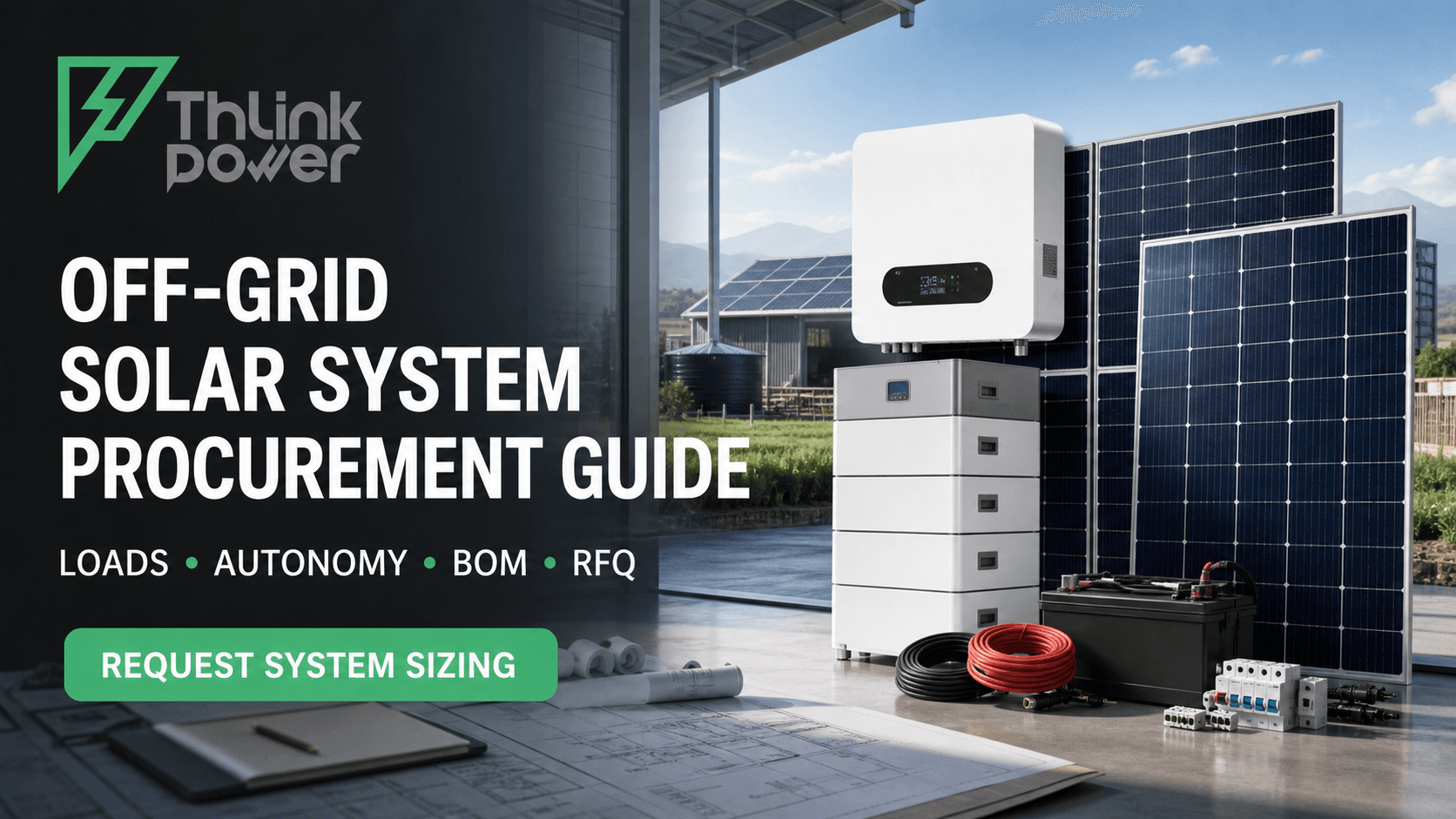
Install ahybrid inverterthat can run on solar + grid + battery
-
Start with 4–5 hours of storage for critical loads (e.g. computers, lights, pumps)
-
Size battery bank based on kWh needed, not just what “looks enough”
Hybrid systems can be upgraded over time, letting you add batteries as budgets allow.
Mistake 4: Not Asking What’s Included in the Price
We’ve seen “cheap” quotes exclude:
-
Installation labor
-
Mounting hardware
-
Surge protection
-
Battery racks or BMS systems
-
Permits or compliance documents
The true cost appearsafterthe system is already installed—or fails.
Checklist for a real quote:
-
Inverter & panels brand + model
-
Mounting, wiring, breakers
-
Battery specs + warranty terms
-
Monitoring system included?
-
Installation scope & timeline
-
Local after-sales service contact
Mistake 5: No Monitoring or After-Sales Plan
One customer told us:
“We didn’t know the system stopped producing until the bill came.”
Without system monitoring, faults go unnoticed for weeks. Batteries may over-discharge. Inverters may trip and stay offline.
What to do:
-
Require cloud-based inverter monitoring
-
Ask for mobile app access to real-time system data
-
Schedule quarterly system checkups
thlinksolar provides pre-configured monitoring dashboards and alerts via mobile/email to avoid undetected issues.
How to Buy Smart—and Ensure Long-Term Returns
Here’s what makes a good solar purchase for a business:
| Key Factor | What It Means |
|---|---|
| Right Sizing | Based on actual load, not just guesses |
| Certified Equipment | CE, TUV, or equivalent safety/performance standards |
| Battery Integration | Ready for outages or night usage |
| Transparent Quote | Includes install, materials, and warranty |
| After-Sales Support | Monitoring + service access within your region |
According to the Solar Energy Industries Association (SEIA), commercial solar systems designed with hybrid inverters and load-tailored sizing reachpayback in 2.5–3.5 years—versus 5+ years for poorly matched systems.
Don’t Buy Solar Hardware—Buy Business Reliability
Your solar system isn’t just a product—it’s apower source, backup plan, and cost-control tool. If you get it wrong, you’ll pay for it in outages, low output, and missed returns.
If you get it right, you unlock:
-
Uptime even during blackouts
-
Predictable energy costs
-
Flexible growth for your operations
At thlinksolar, we guide businesses through smart buying—not just selling boxes.
Explore certified, business-grade solar systems on ourhomepage.
To get a system recommendation tailored to your facility, reach outhere.