Embracing a Sustainable Future with Solar Power
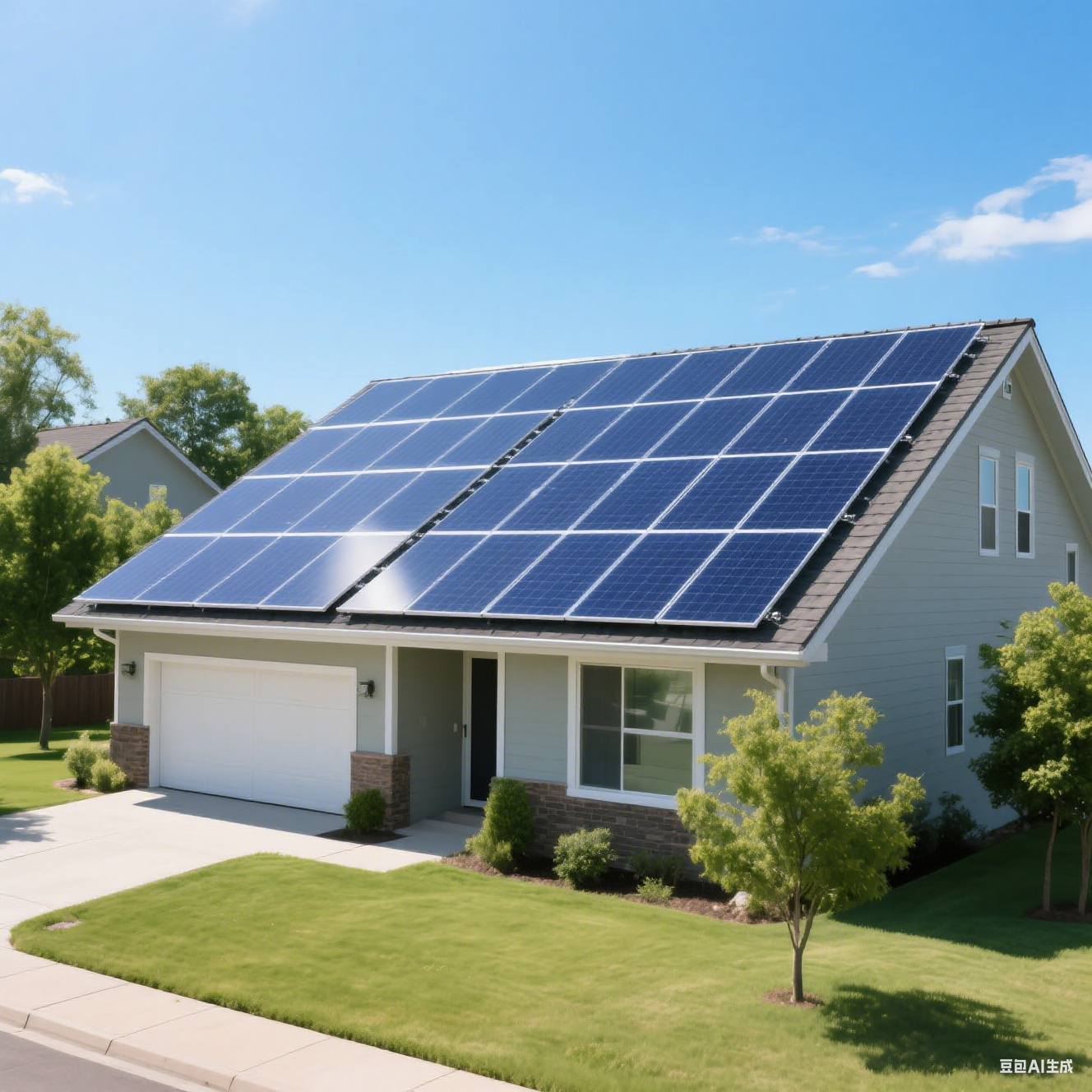
As homeowners and businesses increasingly seek ways to reduce both their carbon footprint and their monthly expenses, the topic of solar panel installation has moved from a niche conversation to a mainstream solution. Making the switch to solar energy is a significant decision, but one that offers a powerful way to gain control over your energy consumption and contribute to a healthier planet. This guide will walk you through the essential considerations, from the initial investment to long-term care, helping you understand if a solar installation is the right choice for your property.
Unlocking the Benefits of Solar Panels
One of the most compelling reasons to switch to solar is the array of financial and environmental advantages. The long-term benefits of solar panels are substantial, starting with a dramatic reduction in or even elimination of your electricity bills. By generating your own power, you become less dependent on the fluctuating costs of the traditional energy grid. Furthermore, installing a solar energy system can significantly increase your property's value. Environmentally, solar power is a clean, renewable resource that reduces your household's reliance on fossil fuels, thereby lowering greenhouse gas emissions. Many regions also offer tax credits, rebates, and other incentives to make the switch even more financially attractive.
Demystifying Solar Panel Cost
Understandably, the primary concern for many potential buyers is the initial solar panel cost. While it represents a significant upfront investment, it's crucial to view it as a long-term purchase that pays for itself over time. The total cost is influenced by several factors, including the size of the system needed to power your home, the specific type and quality of the panels chosen, and the complexity of the installation on your roof. When you calculate the savings on your energy bills over the 25-plus year lifespan of the system, the initial outlay becomes much more manageable. A professional installer can provide a detailed quote that breaks down the expenses and outlines the projected return on investment.
Exploring the Types of Solar Panels
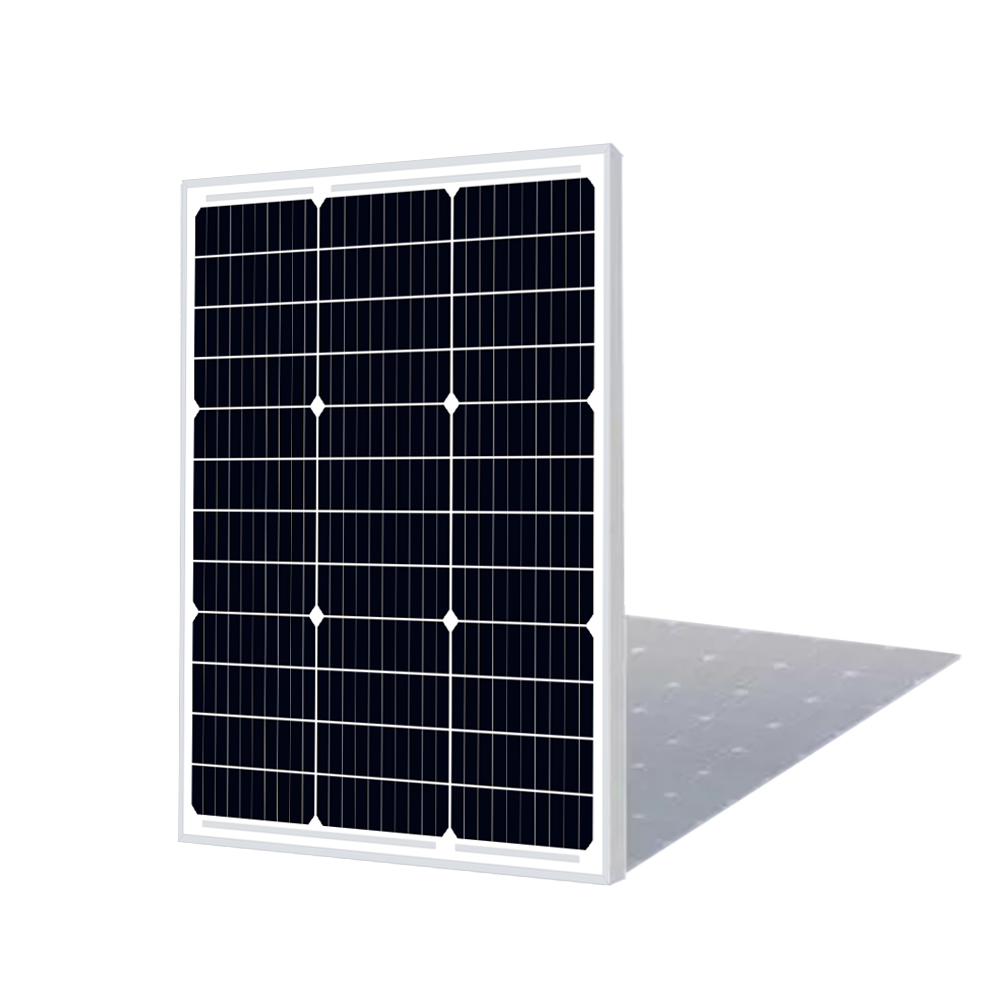
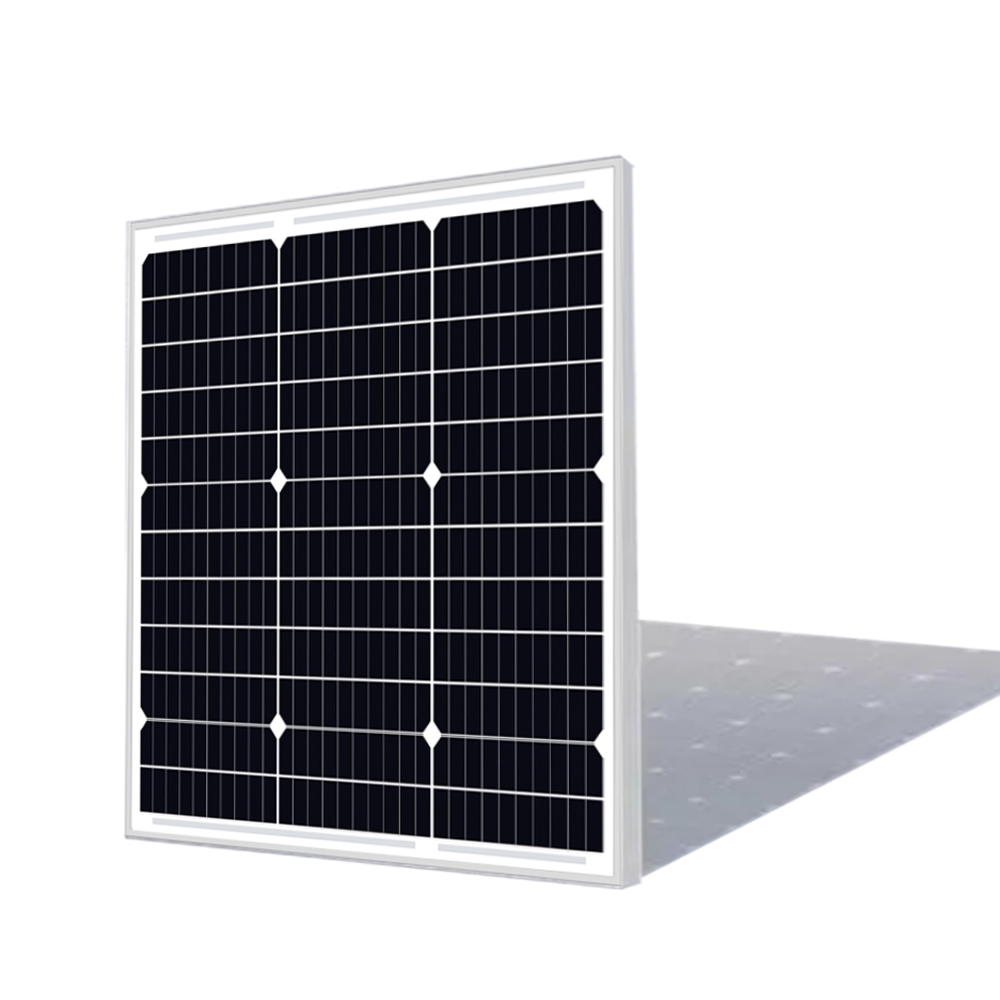
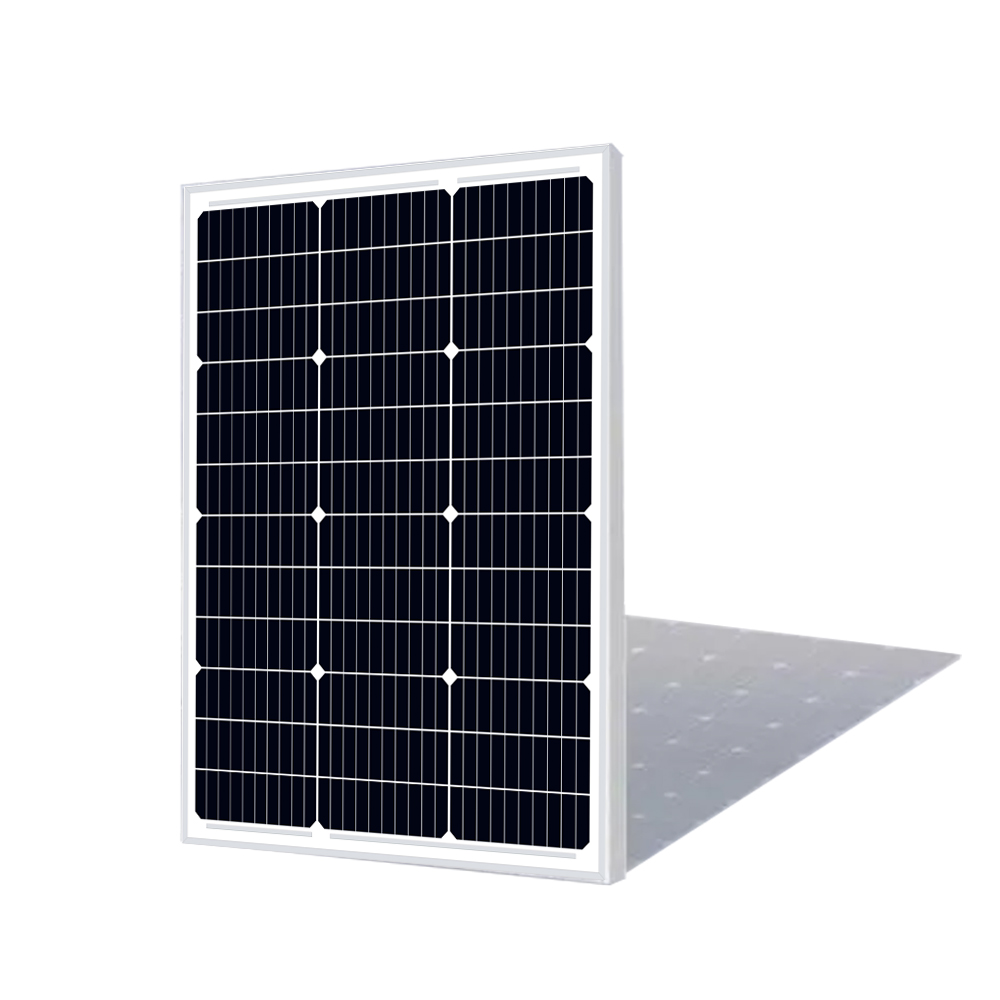
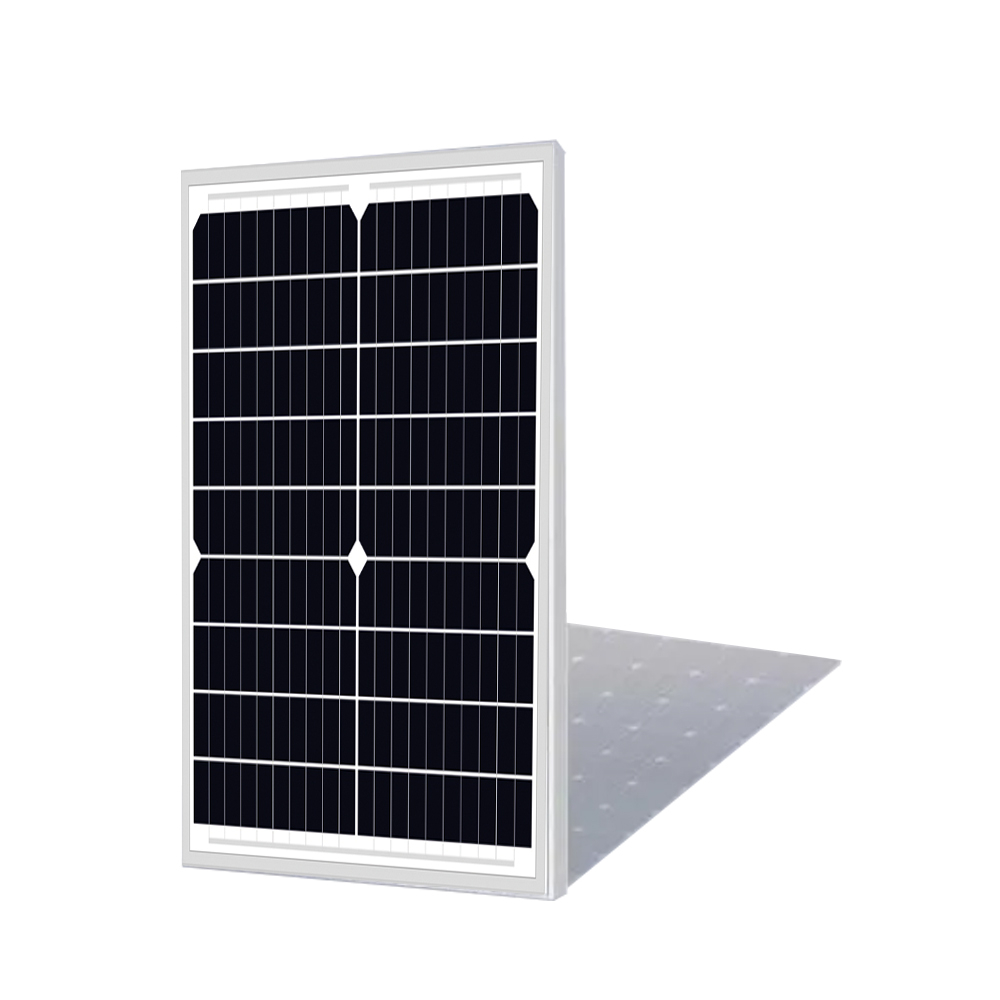
The market offers several types of solar panels, each with distinct characteristics. The two most common varieties for residential installations are monocrystalline and polycrystalline. Monocrystalline panels, made from a single silicon crystal, are known for their high efficiency and sleek black appearance, but they typically come at a higher price point. Polycrystalline panels, made from melted silicon fragments, are slightly less efficient and have a blue, speckled look, but are a more budget-friendly option. Your choice will depend on your budget, aesthetic preferences, and the amount of available roof space, as higher efficiency panels can generate more power in a smaller area.
| Type of Solar Panel | Key Characteristics |
|---|---|
| Monocrystalline | - Made from a single silicon crystal - High efficiency - Sleek black appearance - Higher price point |
| Polycrystalline | - Made from melted silicon fragments - Slightly lower efficiency - Blue, speckled look - More budget-friendly |
| Factors for Choice | Budget, aesthetic preferences, available roof space (higher efficiency = more power in smaller area) |
Solar Panel Energy Efficiency and Maintenance
When selecting a system, solar panel energy efficiency is a key metric. This rating indicates how effectively a panel can convert sunlight into usable electricity. Higher efficiency means you need fewer panels to achieve your desired energy output, which is especially important for homes with limited roof space. To keep your system operating at peak performance, solar panel maintenance is essential, though thankfully it is minimal. Routine maintenance typically involves simple cleaning a few times a year to remove dirt, dust, and debris that can block sunlight. It is also wise to have a professional inspection every few years to ensure all components and connections are in good working order, safeguarding your investment and maximizing your energy production for years to come.
For more information on photovoltaic technology, please visithttps://youtu.be/JB56vgBNr6E?si=48ZjW1I9exvg7s-ofor detailed content.