Sustaining Efficiency in Heat: How Thermally Optimized Inverters Keep Solar Power Stable
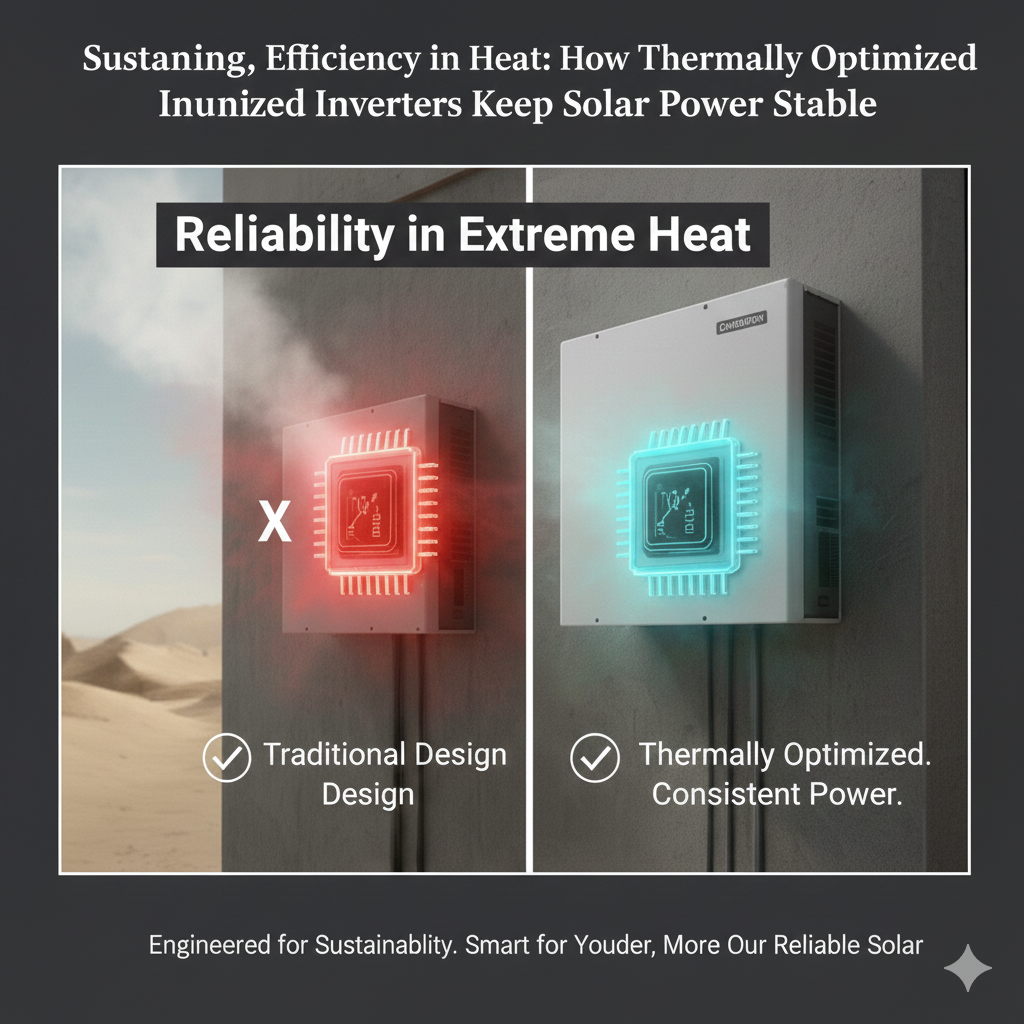
In solar power systems, heat is an inevitable byproduct of energy conversion. When left unmanaged, it gradually erodes efficiency and reduces the reliability of the entire system.
A thermally optimized inverter addresses this challenge by managing every watt of heat through intelligent control, effective material selection, and an airflow system built for industrial environments. The result: stable energy output and longer operational life, even under demanding outdoor conditions.
Managing Heat Where It Matters Most
Every inverter transforms DC power into AC electricity, but each stage of that process generates heat. Excess temperature accelerates the aging of power components and can trigger unexpected shutdowns.
Thlinksolar mitigates these risks by integrating high-efficiency heat sinks, airflow channels, and real-time temperature sensors that work in harmony to keep thermal levels within safe operating limits. This system ensures that performance remains stable throughout the day—even during long hours of peak sunlight.
Design Logic Behind Thermal Optimization
The thermally optimized inverter from Thlinksolar focuses on three key dimensions of temperature control:
-
Direct Heat Transfer: Power modules are mounted on thermally conductive bases that channel heat efficiently to external surfaces.
-
Dynamic Airflow Control: The fan system automatically adjusts speed based on the inverter’s temperature load, balancing cooling strength with energy use.
-
Distributed Sensor Network: Multiple sensors monitor thermal variation across power circuits, ensuring no single area overheats during heavy load.
This layered control system keeps temperature differentials minimal, reducing strain on internal circuits and maintaining consistent power quality.
Structural Highlights and Their Performance Impact
| Design Focus | Description | Functional Advantage |
|---|---|---|
| Optimized Heat Path | Short, direct thermal paths using aluminum alloy frames | Faster heat transfer and reduced component stress |
| Adaptive Cooling System | Smart fans with adjustable airflow direction | Lower power loss and better environmental adaptability |
| Dual-Compartment Layout | Separate airflow for power and control circuits | Longer life for electronic boards and sensors |
| Protective Coating | Anti-corrosion layer for humidity and salt resistance | Reliable outdoor performance |
| Smart Power Management | Firmware that adjusts operation based on thermal load | Consistent output with minimal derating |
Together, these design choices ensure that the inverter performs dependably under prolonged exposure to heat and dust—conditions typical for rooftop and utility installations.
Reliable Operation Across Diverse Conditions
The inverter’s thermal optimization brings clear benefits to multiple solar applications:
-
Commercial Rooftops: Maintains rated power under continuous sunlight and high roof temperatures.
-
Utility Solar Fields: Prevents overheating during summer peaks, ensuring stable daily yield.
-
Industrial Energy Plants: Operates smoothly near other high-temperature machinery.
-
Remote Installations: Requires minimal cooling maintenance thanks to smart fan control and sealed housing.
Such versatility makes the system ideal for large-scale deployments where environmental stress cannot be avoided.
Operational and Economic Value
-
Longer Equipment Lifespan: Controlled heat slows down component wear and extends service intervals.
-
Higher Daily Yield: Stable temperature keeps efficiency high during midday load peaks.
-
Lower Maintenance Costs: Reduced shutdowns and less frequent replacements.
-
Stronger Investment Value: Consistent long-term output improves system ROI.
-
Trusted Field Reliability: Proven performance across tropical, arid, and industrial environments.
Thermal control is not an accessory—it’s the foundation of sustainable solar performance.
Verified Performance and Integration
All Thlinksolar inverters undergo temperature stress tests, humidity cycling, and high-load simulations to verify thermal stability.
Each unit meets CE, TUV, and VDE standards, supporting hybrid applications with battery systems and smart grid interfaces.
With a modular and communication-friendly design, installation and integration become faster, safer, and adaptable to multiple project scales.
Frequently Asked Questions
Q1: What makes a thermally optimized inverter more reliable than standard designs?
A: It manages temperature across multiple levels—hardware, airflow, and firmware—ensuring consistent performance and preventing component stress in hot environments.
Q2: Does this system require additional maintenance?
A: No. The intelligent cooling mechanism operates automatically, reducing maintenance frequency while keeping the inverter within safe thermal limits.
Stable Power Through Smarter Temperature Control
Reliable solar performance depends on consistent temperature management. The thermally optimized inverter achieves this through precision airflow design, efficient material use, and responsive control logic that adapt to changing environments.
With advanced heat control and system intelligence, Thlinksolar continues to help industries, EPCs, and energy providers maintain stable power generation under real-world conditions.
For system specifications or project consultation, visit Thlinksolar.com or contact our team.