Split Phase Inverter Manufacturer: Powering Dual Voltage Needs with Reliability
Why Split Phase Inverters Solve a Market Gap
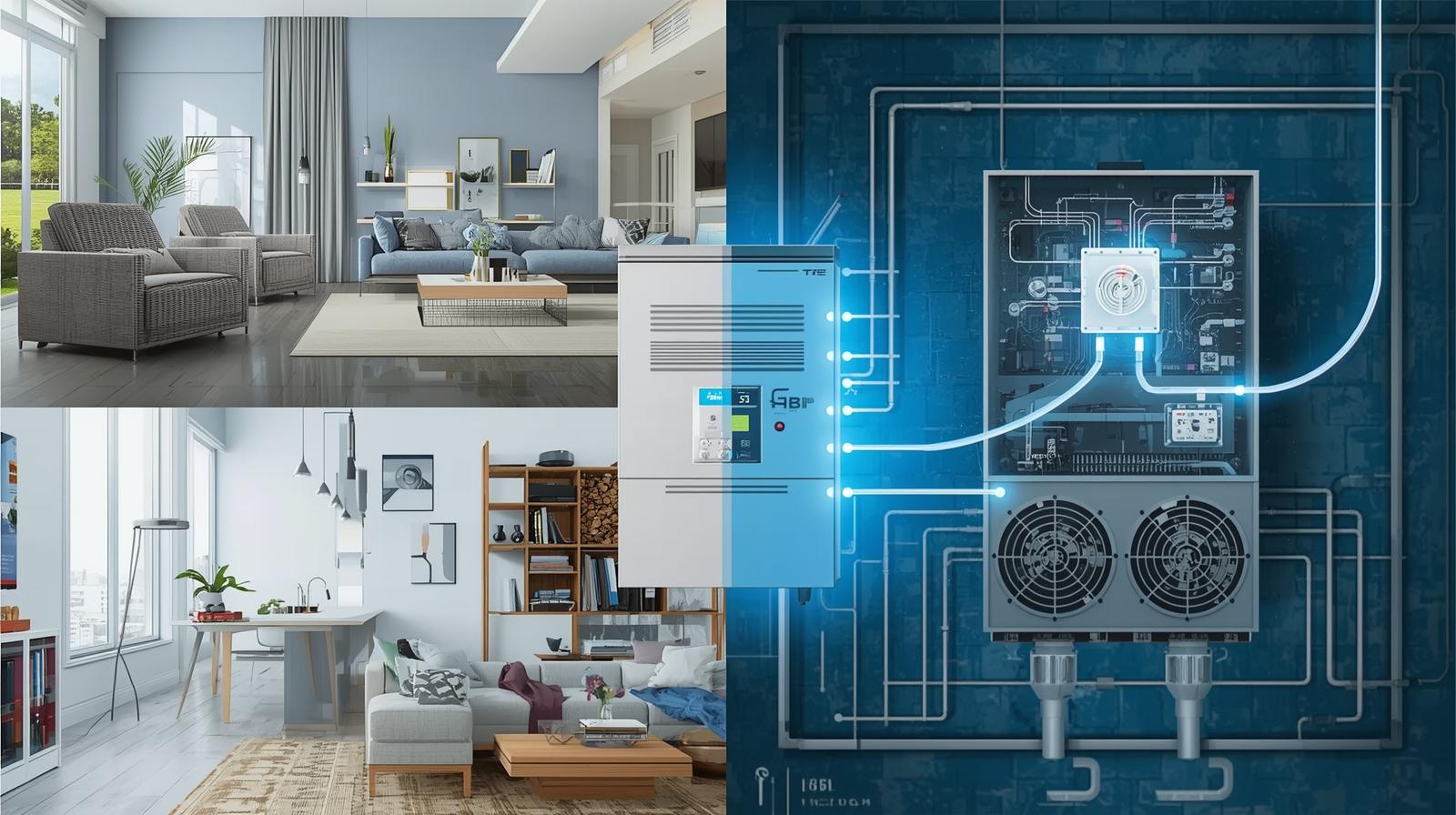
In regions like North America, electricity demand is split: 120V for everyday devices such as lighting, refrigerators, and computers, and 240V for heavier loads like HVAC, dryers, or industrial motors. Without a split phase inverter, users either need two separate systems or face higher wiring costs and compatibility issues.
This makes the role of a professional split phase inverter manufacturer essential—delivering products that merge technical compliance with real-world reliability. For solar developers, EPC contractors, and procurement managers, the choice of manufacturing partner directly impacts installation simplicity, long-term performance, and project ROI.
Real Applications That Show True Value
Residential Homes with Diverse Loads
In modern households, demand is no longer uniform. A split phase inverter allows families to run lights, TVs, and laptops at 120V while simultaneously powering air conditioning units, EV chargers, and water heaters at 240V. This dual capability prevents the need for additional hardware and reduces installation complexity. For OEM partners, this flexibility also means one product can serve both small and high-demand households, streamlining supply chains.
Workshops and Small Factories
From woodworking tools to welding equipment, workshops often use machinery that demands both voltages. A split phase inverter factory must design units that handle high surge capacity, ensuring tools start smoothly without system overload. This translates to lower downtime, reduced equipment wear, and safer operations—factors that directly affect productivity and profitability in small-scale manufacturing.
Rural and Off-Grid Communities
In rural or island regions, split phase systems are a lifeline. They allow communities to power basic appliances (lighting, refrigerators) while also driving pumps, grain mills, or cold storage units that require higher voltages. Manufacturers must design these inverters to withstand dust, humidity, and inconsistent generation sources, ensuring reliable 24/7 power where alternatives are limited.
Commercial Facilities and Institutions
Schools, retail outlets, and healthcare centers often rely on dual voltage to balance operational costs and technical demands. A split phase inverter ensures uninterrupted power for IT infrastructure while also supporting high-consumption systems like HVAC or refrigeration. By offering OEM and ODM flexibility, manufacturers help these institutions meet local regulations while branding solutions for long-term visibility.
Manufacturer’s Role: More Than Hardware
A reliable split phase inverter manufacturer does more than assemble components. At Thlinksolar, we embed value into every stage:
-
Certification-first production – CE, UL, and TÜV compliance ensures global acceptance.
-
Factory validation – Stress tests for surge loads, extreme temperatures, and dust exposure.
-
OEM/ODM support – Branding, firmware tuning, and documentation tailored to project needs.
-
Flexible scaling – Supporting pilot projects of 100 units or utility-level procurement of thousands.
-
Global export readiness – Smooth logistics and documentation to meet international tender requirements.
For distributors and EPC firms, these advantages mean lower risks, faster deployment, and higher customer satisfaction.
Split Phase Inverters vs. Single Phase Units
| Feature/Scenario | Single Phase Inverter | Split Phase Inverter Manufacturer Advantage |
|---|---|---|
| Voltage support | 120V or 240V (not both) | Dual output in one unit |
| Household suitability | Only small loads | Covers daily + heavy appliances |
| Workshop performance | Limited surge handling | High surge capacity for industrial tools |
| Rural applications | Often insufficient | Flexible for basic + heavy equipment loads |
| OEM potential | Narrow use cases | Broad adaptability for distributors |
Common Buyer Questions
Q1: Can split phase inverters be used in parallel for larger systems?
Yes. Multiple units can be installed in parallel, enabling commercial facilities or community projects to scale seamlessly.
Q2: How do manufacturers ensure compliance in different regions?
By embedding international certifications (CE, UL, TÜV) into production and offering region-specific firmware for local utilities.
Q3: Are OEM opportunities flexible?
Absolutely. Partners can customize enclosures, interfaces, branding, and even load profiles to fit regional or project-specific needs.
Looking Ahead: Why Split Phase Will Keep Expanding
The International Renewable Energy Agency (IRENA) forecasts continued solar growth in North America and emerging economies, with demand for flexible inverter systems rising sharply. Split phase technology, bridging everyday and industrial loads, is central to this transition.
At Thlinksolar, we see split phase not just as a product category but as a strategic enabler of energy independence. With certified manufacturing, OEM flexibility, and a proven export track record, we help partners deploy systems confidently—whether in homes, workshops, or rural communities.
To explore tailored inverter solutions, visit thlinksolar or contact our team here.