Reliable Power Anywhere: Choosing the Right Solar Panels for Hybrid Systems
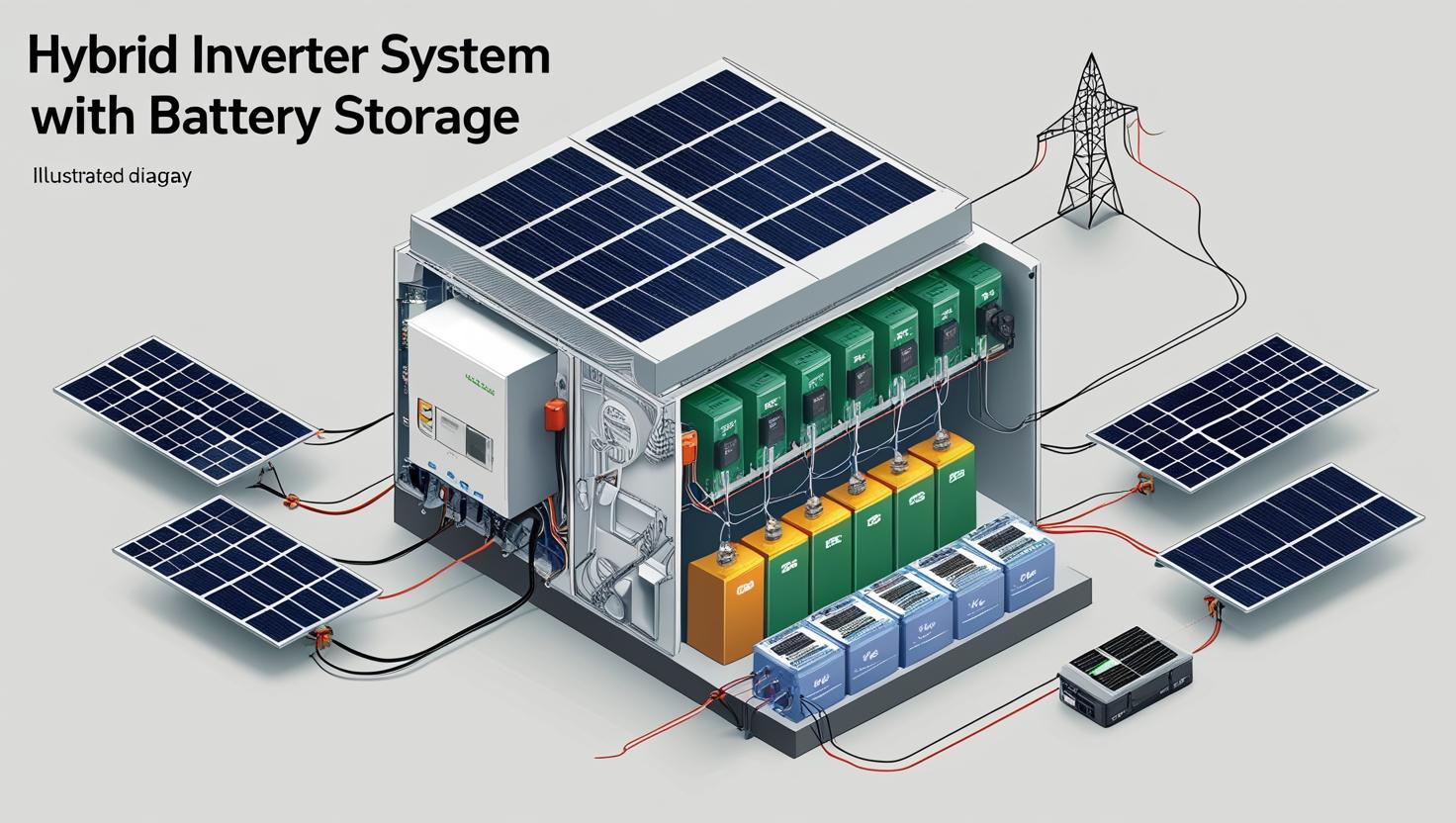
In an age of increasing grid instability and rising energy bills, more homes and businesses are switching tohybrid solar systems. These systems blend solar power, grid energy, andsolar battery backupto provide continuous electricity—even during outages. But success starts with choosing the rightsolar panel for hybrid systems—not just any panel will do.
At thlinksolar, we’ve worked with residential rooftops, industrial rooftops, and remote off-grid installations across over 30 countries. This guide explains how to build a high-performance hybrid system starting with the solar panel—and how to avoid common mistakes that can derail your investment.
Why a Solar Panel Is More Than Just Watts
While many buyers focus on wattage (400W, 500W, 550W), hybrid systems require a more nuanced view. A well-chosen panel ensures:
-
Stable voltage input for yourhybrid inverter
-
Efficient battery charging
-
Long-term performance in varied climates
For example, pairing a 550W panel with a hybrid inverter like Growatt or Solis requires string voltage to fall within the inverter’s MPPT range—often 120–600V. Failing to meet this can cause power clipping or inverter shutdowns.
A 2024 IEA report found that 1 in 4 hybrid PV installations underperform due to mismatched component sizing and poor panel selection.
Real-World Use Cases for Hybrid Systems
Hybrid solar systemsare ideal for users who need energy independencewithoutgoing fully off-grid. Here's how different users approach panel selection:
1. Residential Solar Users
Pain point:High utility bills and occasional blackouts
Recommended panels:450–500W mono PERC panels
Why:Good balance of size, efficiency, and roof compatibility
Match with:5kW hybrid inverter + 10kWh lithium-ion battery
Add-ons:Mobile app monitoring, remote diagnostics
2. Rural or Off-Grid Solar Installations
Pain point:No reliable grid access
Recommended panels:500W–550W mono or bifacial panels
Why:High yield even in low-light or variable weather
Match with:Off-grid inverter + MPPT controller + deep cycle battery
Tip:Consider tilt-adjustable mounts for year-round sunlight optimization
3. Industrial & Commercial Users
Pain point:Business continuity during outages, energy cost control
Recommended panels:550W–670W bifacial or double-glass modules
Why:Durable, high-efficiency, compatible with 100kW+ setups
Match with:3-phase hybrid inverter + battery bank + SCADA control
Compliance:Ensure CE, TUV, and UL certifications for EPC tenders
Key Factors to Consider When Sourcing Hybrid-Compatible Panels
| Factor | Why It Matters |
|---|---|
| Voltage & current specs | Must match inverter MPPT input range |
| Temperature coefficient | Lower values (e.g. –0.34%/°C) yield better performance in hot climates |
| Mechanical durability | Double-glass and reinforced frames last longer in coastal or windy zones |
| Degradation rate | Choose panels with <0.5% annual power loss |
| Warranty & certifications | Look for 25-year linear warranty and certifications like CE, TUV, ISO |
Bonus Insight:
Forrenewable energy storageapplications—like combining solar PV with lithium batteries—panel consistency is key. Variations in current output or bypass diode behavior can shorten battery life or reduce charging efficiency.
Success Story: From Outage Risk to Energy Control
A small hotel chain in Sri Lanka faced 4–6 hours of daily power cuts. thlinksolar provided a30kW hybrid PV systemusing:
-
54 × 550W mono PERC panels
-
3 × 10kW hybrid inverters
-
60kWh LFP battery storage
-
Grid input + solar + battery switching logic
Results:
-
Reduced diesel genset use by 85%
-
ROI estimated in 4.2 years
-
100% uptime during national outages
The system was commissioned with export-compliant CE and TUV certifications, making it eligible for government clean energy subsidies.
Get It Right from Day One with thlinksolar
Whether you're building a smarthybrid solar PV systemfor your home or scaling up for commercial use, choosing the right panel means considering much more than wattage. At thlinksolar, we supply:
High-efficiency monocrystalline and bifacial solar panels
Full compatibility with Growatt, Solis, SMA, Victron hybrid inverters
Matched component kits including batteries, mounting, and wiring
OEM/ODM customization for distributors and EPC partners
Fast delivery and certified performance
Your Energy, Your Rules
The future of solar ishybrid—and it starts with smart, matched components. Avoid downtime, maximize savings, and get full control over your energy with thlinksolar’s hybrid-ready panels and turnkey support.
Fromresidential rooftops to industrial megaprojects, we're here to make hybrid solar work for your unique goals.
Explorethlinksolar.comortalk to our team todayto get started.