Choosing the Right Solar Inverter: A Practical Guide by Use Case
Why inverter type isn’t just a technical detail
Many solar buyers rush to pick a system based on panel wattage—but they ignore the inverter, which is like the control brain. If you pick the wrong inverter:
-
Your system may fail during power outages
-
You may lose efficiency and money
-
Your batteries may not charge or discharge properly
-
Expansion becomes difficult later
A 2024 report fromIRENAshows thatinverter compatibility and functionalityare among the top reasons for post-installation service calls in small to mid-size solar projects. That’s why thlinksolar always starts with customer scenarios—not product specs alone.
Scenario 1: Small business in city wants to reduce bills
Pain point: High monthly electricity costs + no backup needs
Recommended:Grid-tied inverter
This type links directly to the utility grid and sends excess solar power back to offset your bill. It’s:
-
Cost-effective (no batteries needed)
-
Easy to install and maintain
-
Smart choice for reliable grid areas
thlinksolar tip: Use anet meteringprogram if available—it can improve ROI by 20–30%.
Scenario 2: Factory or warehouse wants backup during outages
Pain point: Unplanned blackouts cause losses in operations
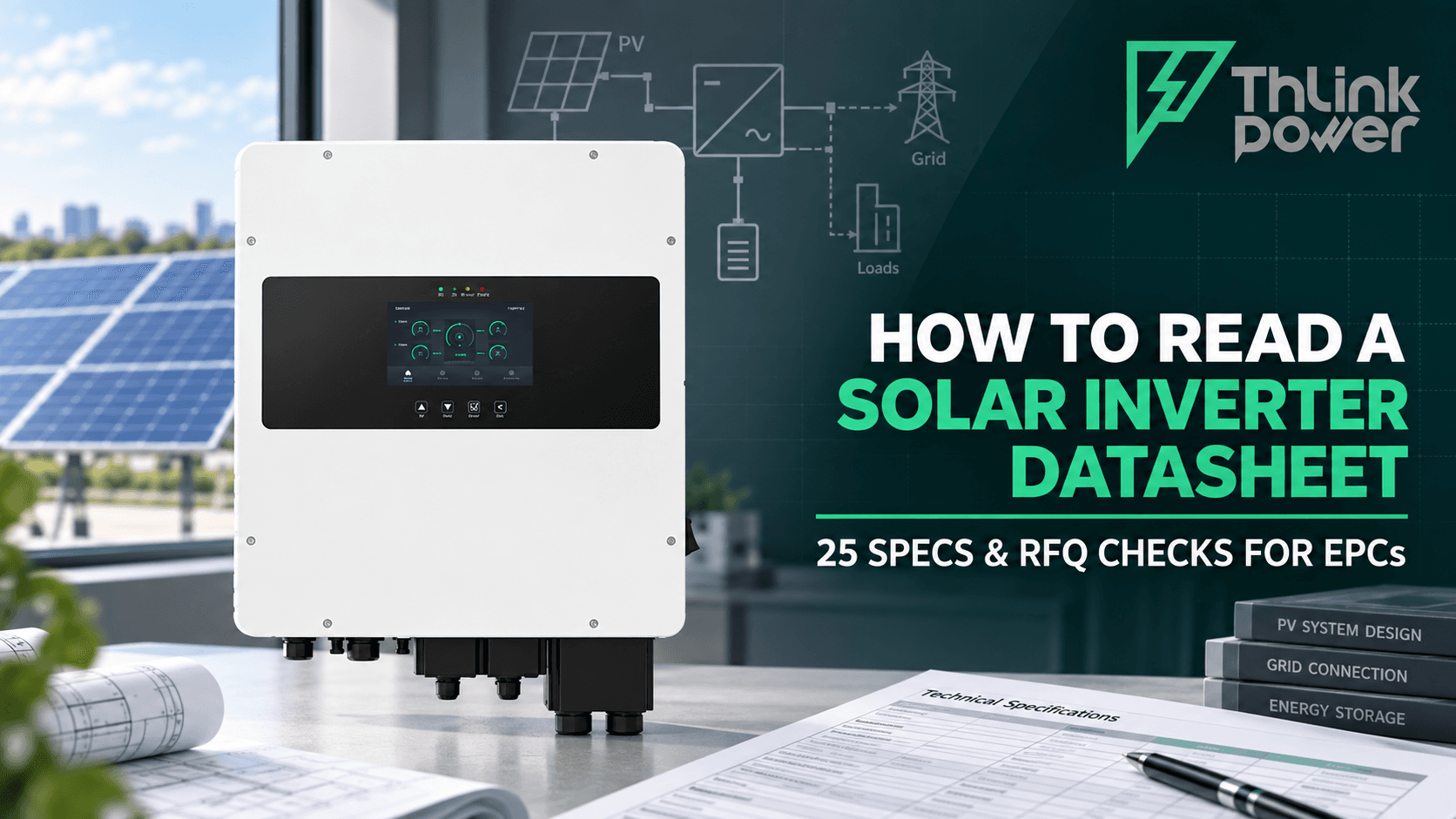
Recommended:Hybrid inverter with battery support
A hybrid inverter supports both grid and battery systems. It switches instantly when the grid fails, keeping operations running. Ideal for:
-
Food processing plants
-
Clinics
-
Data-sensitive businesses
Bonus: Hybrid inverters also allowpeak shaving—running from stored battery during high-rate hours.
Real use: In 2024, a client in South Africa reduced downtime by 85% after switching to a thlinksolar 15kW hybrid inverter with 30kWh battery.
Scenario 3: Remote telecom tower or farmland site
Pain point: No access to grid, diesel fuel costs rising
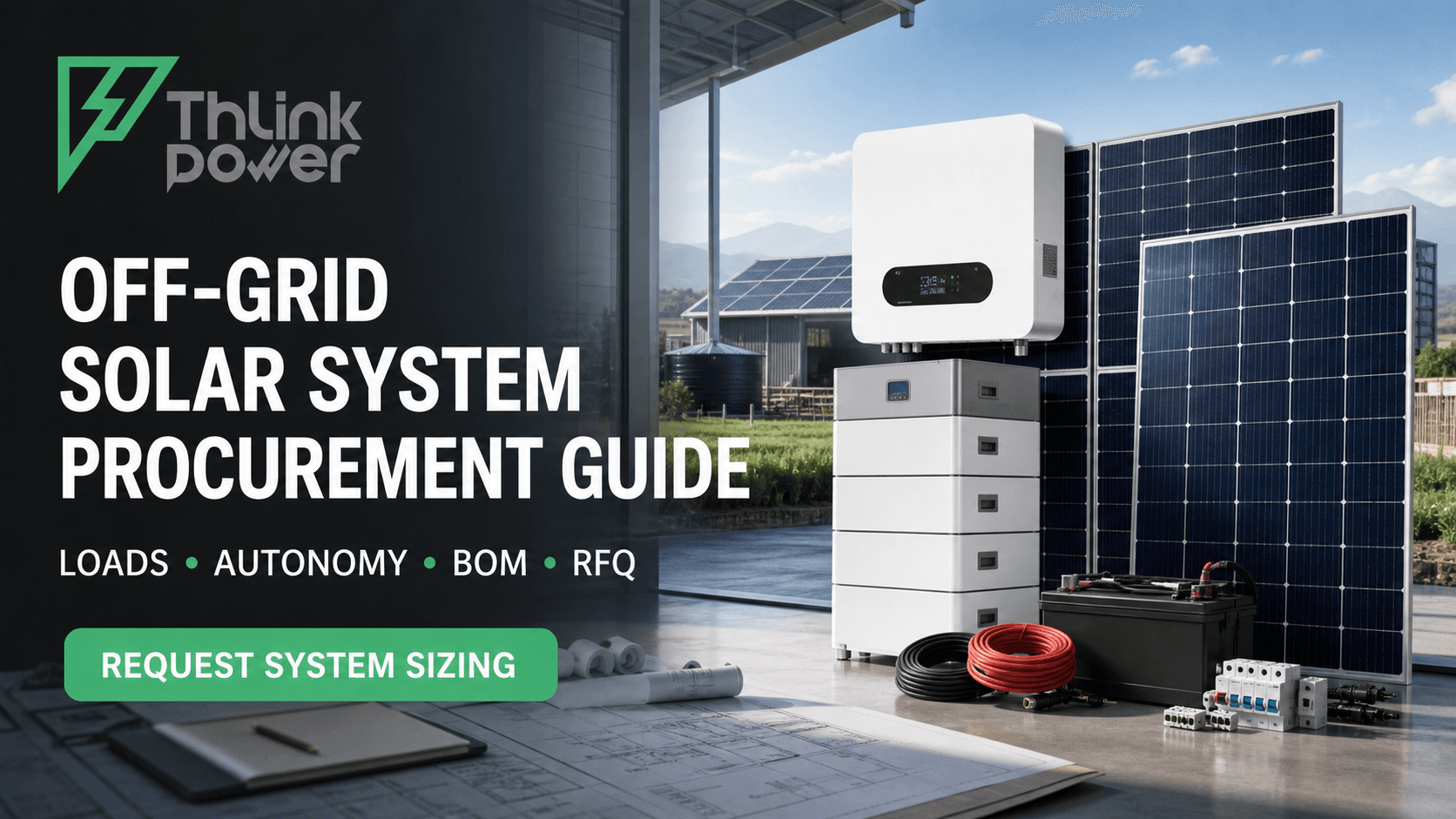
Recommended:Off-grid inverter
Off-grid inverters create a fully independent power system using solar + battery + generator if needed.
They’re built for:
-
Isolated sites
-
Mountains, deserts, islands
-
High-reliability needs
thlinksolar insight: Our 5kW to 100kW off-grid series include built-inBMS and load priority logicto preserve battery life and stabilize sensitive equipment.
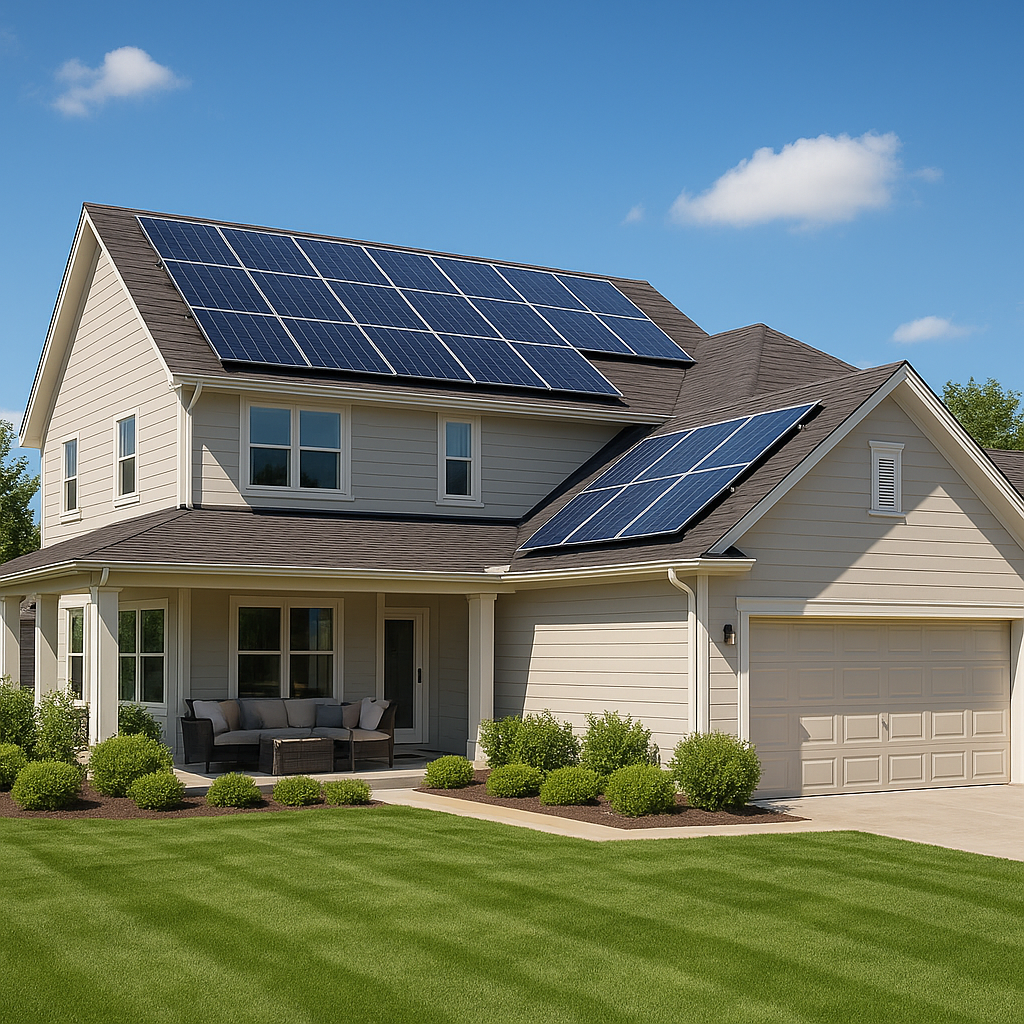
Scenario 4: Homeowner wants bill savings plus backup
Pain point: Wants energy savings but also power during storms
Recommended:Hybrid inverter
This is becoming the default inverter for residential setups:
-
Uses solar power directly when available
-
Stores excess energy
-
Runs critical loads during outages
Battery optional—you can install one later.
What makes thlinksolar’s inverters different?
While many inverter brands exist, thlinksolar inverters stand out by offering:
-
Full power range: 1kW to 100kW+ for all user levels
-
Real compatibility: LiFePO4, lead-acid, grid sync, generator input
-
Certifications: CE, ISO, EN50549, TÜV
-
OEM servicesfor distributors & EPCs
-
Fast after-sales support
More importantly,our pre-sale support helps you design the right inverter system, not just sell a product.
Get the right fit, not just a powerful inverter
Choosing an inverter isn’t just about wattage—it’s aboutwhat you actually need power for. A wrong fit costs more in the long run. Talk to a provider that understands real-world energy usage.
Visitthlinksolar homepageto browse inverter models, orcontact our teamto get a free system consultation tailored to your site.