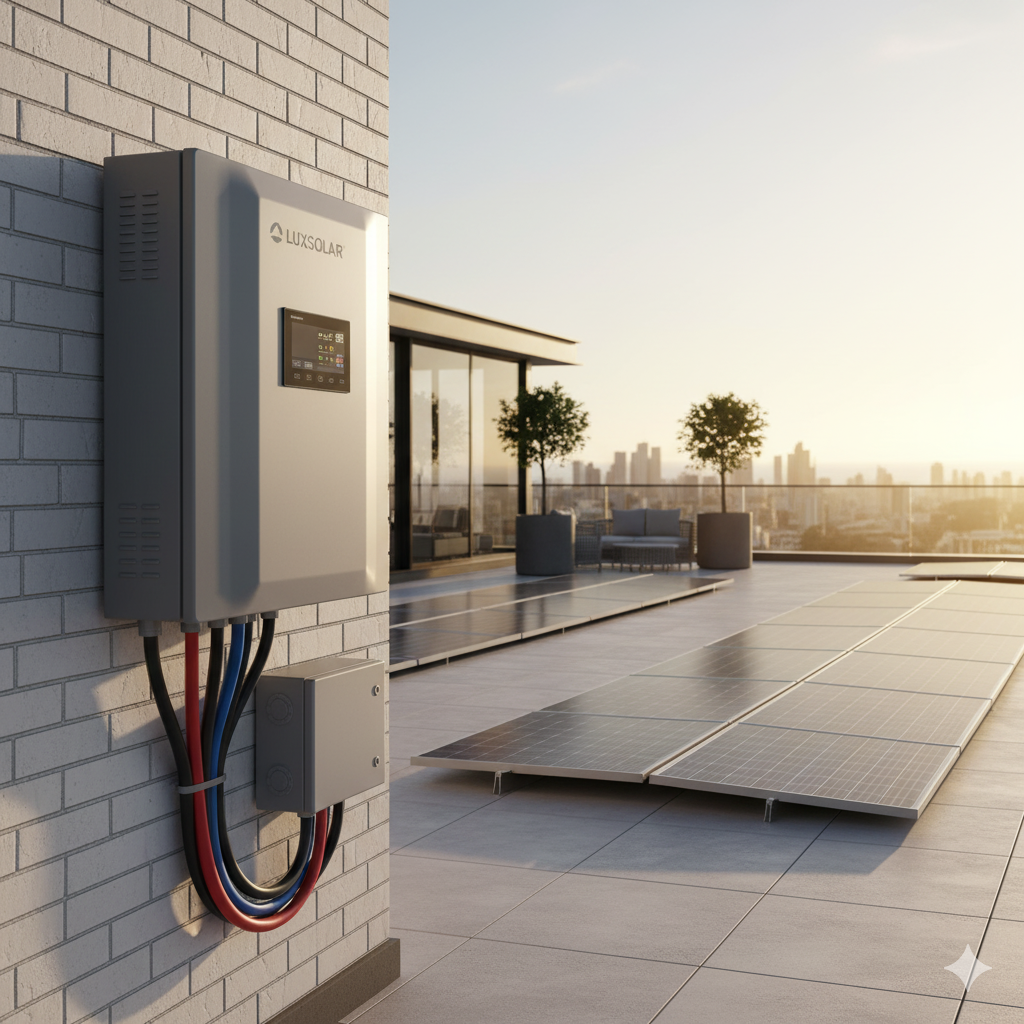
Energy Challenges in the Hospitality Industry
Hotels operate 24/7, consuming large amounts of power for lighting, air conditioning, heating, elevators, and kitchen equipment. With fluctuating electricity prices and growing sustainability requirements, the hospitality sector faces increasing pressure to manage energy more efficiently.
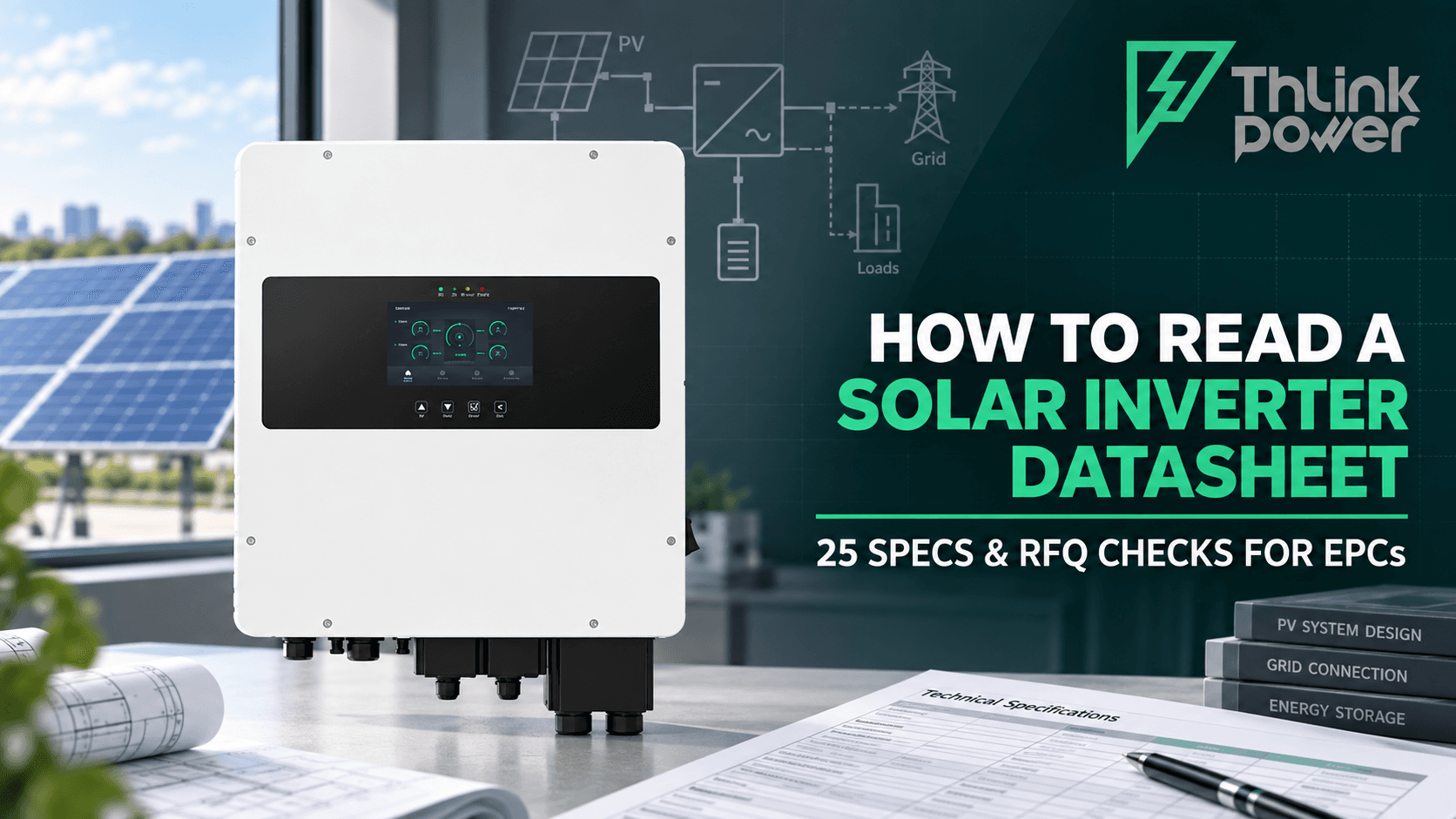
A solar inverter for hotels helps address these challenges by converting solar energy into usable electricity and seamlessly integrating it with the grid and storage systems. When designed correctly, it not only saves costs but also ensures uninterrupted guest comfort — a crucial factor in hotel operations.
How Solar Inverters Support Reliable Hotel Operations
Unlike residential systems, hotel energy demand is complex and variable. Inverters in this environment must handle load balancing, power conversion, and backup management simultaneously.
| Energy Function | Role of Inverter | Impact |
|---|---|---|
| Power Conversion | Converts DC from panels to AC | Supplies stable electricity |
| Energy Storage Control | Manages charging and discharging cycles | Ensures nighttime or peak-hour reliability |
| Smart Load Distribution | Balances hotel subsystems (HVAC, lighting, elevators) | Reduces grid dependency |
| Grid Synchronization | Ensures stable operation during power fluctuations | Prevents blackouts |
| Monitoring Integration | Tracks consumption and solar yield | Enables cost control and data analytics |
In hybrid setups, the inverter becomes the “energy brain” of the entire hotel, intelligently switching between solar, battery, and grid sources to guarantee efficiency and uptime.
Why Hybrid Inverters Are Ideal for Hotels
Hotels cannot afford downtime — even a few minutes of blackout can damage reputation and guest experience. This makes hybrid solar inverters a perfect fit.
Key advantages include:
-
Uninterrupted Power Supply — The system automatically switches to battery backup during grid failure.
-
Reduced Energy Bills — Excess solar power offsets expensive peak-hour tariffs.
-
Scalable Design — Suitable for hotels from 20 rooms to 500-room resorts.
-
Remote Monitoring — Facility managers can track performance through mobile apps or web dashboards.
-
Silent Operation — Inverter noise levels remain low, ideal for guest comfort.
Modern inverters also support peak shaving, which minimizes energy use during high-demand periods — a vital cost-saving mechanism for large hotel chains.
Real-World Scenario: Hybrid Power for a Resort Hotel
A coastal resort operating 150 rooms faced high electricity bills due to air conditioning and desalination systems. After integrating a 100kW solar array with 12 hybrid inverters and battery storage, the hotel achieved:
-
30% reduction in grid electricity consumption.
-
Full backup capacity for up to 8 hours during outages.
-
Payback period shortened to less than 4 years.
This case illustrates how professional solar inverter manufacturers and system designers enable measurable economic and operational benefits in the hospitality industry.
Selecting the Right Inverter for Hotel Applications
Different hotels have different requirements based on size, location, and energy consumption. The following table outlines general recommendations:
| Hotel Type | Recommended Inverter | Features |
|---|---|---|
| Boutique / Small Hotels | 10–30 kW hybrid inverter | Compact, low maintenance |
| Mid-Sized Urban Hotels | 50–100 kW three-phase system | Grid synchronization + remote monitoring |
| Large Resorts / Chains | Modular 100–500 kW units | Supports battery integration + scalability |
| Off-Grid Lodges | Hybrid off-grid inverter | Solar + storage operation in isolated areas |
Tip: Always ensure compatibility between inverter capacity, battery type, and grid requirements to avoid inefficiencies or downtime.
Frequently Asked Questions
Q1: Can a hotel run fully on solar energy?
In most urban cases, solar covers 30–60% of total demand, while hybrid systems provide complete backup during outages.
Q2: How long is the lifespan of a solar inverter for hotels?
Typically 10–15 years, depending on brand, cooling design, and operating conditions.
Q3: What is the ROI for hotel solar systems?
Most installations reach payback within 4–6 years, especially in regions with high sunlight and energy costs.
Q4: Are hotel inverters compatible with EV charging or smart building systems?
Yes. Advanced models integrate seamlessly with energy management platforms and EV chargers for holistic control.
A Smarter Path Toward Sustainable Hospitality
Hotels that invest in hybrid solar inverters gain more than energy savings — they achieve operational independence, sustainability credibility, and long-term stability.
At ThlinkSolar, we provide inverter solutions engineered for the hospitality sector — combining durability, intelligent energy management, and global certification standards. Our systems ensure hotels operate efficiently while reducing environmental impact.
To explore solutions for your next hotel project, visit our homepage or contact our engineering team via the contact page.