Inside the Technology: How Smart Inverter Manufacturers Achieve >98% Efficiency
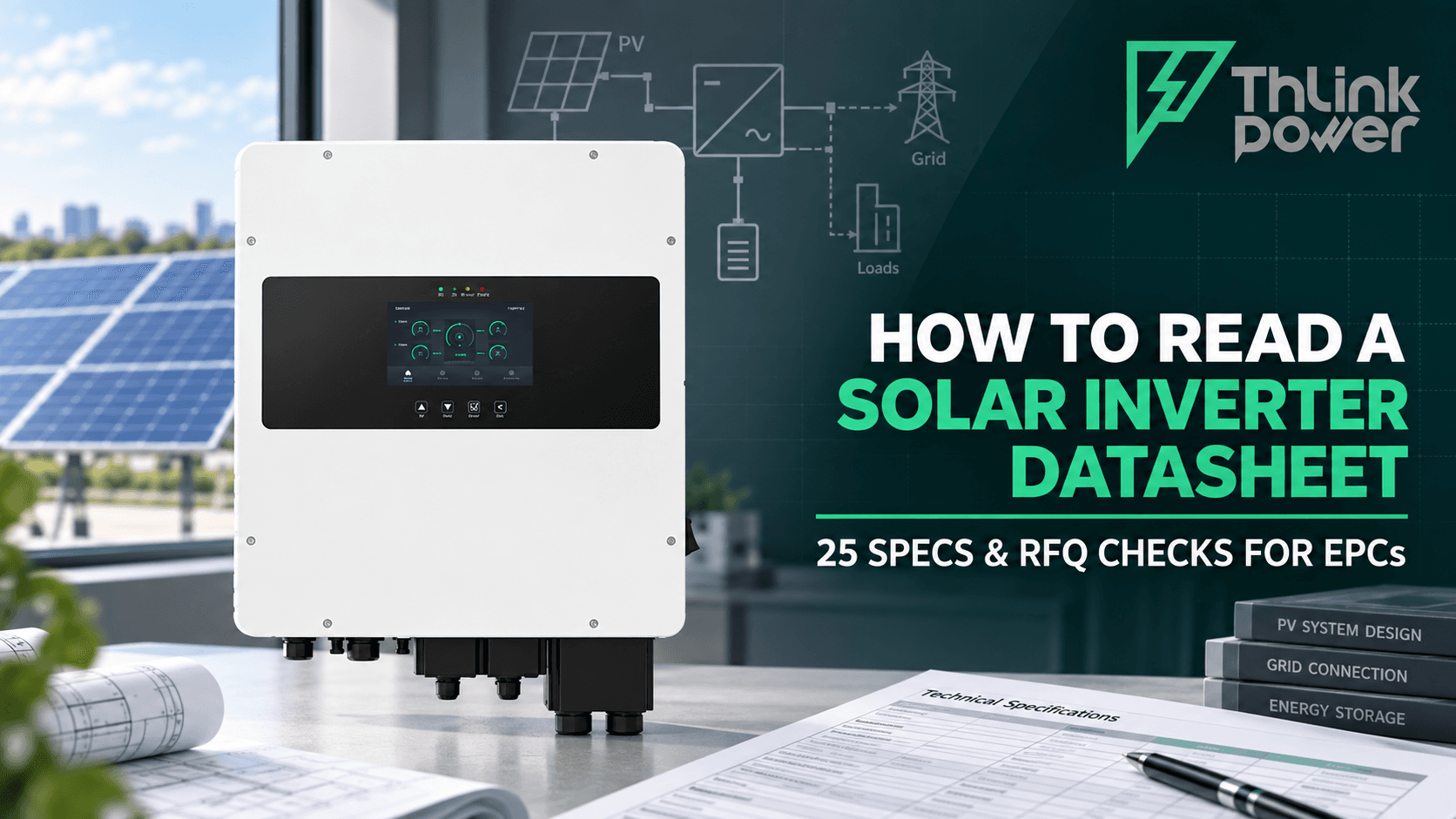
Smart inverters are often described as the “brains” of modern solar systems, and their efficiency directly impacts how much clean energy can be delivered. While traditional inverters focused solely on conversion, today’s smart inverter manufacturers integrate advanced design, materials, and intelligence, consistently pushing conversion efficiency above 98%. This achievement is more than a number—it drives higher returns, lower costs, and reliable system performance for decades.
Why Efficiency Matters in Modern Solar Systems
Efficiency defines the economic and technical value of solar installations.
-
A 1% gain in inverter efficiency can generate thousands of additional kilowatt-hours over the system’s lifetime.
-
Improved efficiency reduces heat generation, lowering the risk of component failure.
-
High conversion rates shorten payback periods and support faster renewable adoption.
By making efficiency a priority, manufacturers help ensure systems are both profitable and sustainable.
Core Technologies Driving >98% Efficiency
The technological backbone of ultra-efficient smart inverters includes:
-
Advanced MPPT (Maximum Power Point Tracking): Extracts optimal energy even under shading or low-light conditions.
-
SiC and GaN Components: Wide bandgap semiconductors minimize switching losses, outperforming traditional silicon.
-
Intelligent Thermal Management: Liquid or forced-air cooling stabilizes operations, ensuring consistent peak efficiency.
These innovations collectively allow manufacturers to exceed the 98% benchmark.
Comparing Efficiency-Enhancing Features
| Feature | Traditional Inverters | Smart Inverters (Modern) |
|---|---|---|
| Conversion Efficiency | 94–96% | >98% |
| Power Tracking | Basic MPPT or none | Multi-level MPPT with real-time data |
| Component Technology | Standard silicon | SiC / GaN wide bandgap materials |
| Grid Interaction | Limited | Advanced communication & support |
| Thermal Management | Passive cooling | Intelligent, adaptive systems |
This comparison illustrates how smart inverter manufacturers move beyond basic conversion to deliver smarter, more robust systems.
Design Principles That Set Manufacturers Apart
Key design philosophies define which manufacturers lead the industry:
-
Modular Architecture: Flexible enough for both small rooftops and utility-scale plants.
-
String-Level Monitoring: Enables early detection of underperforming modules.
-
Smart Grid Compatibility: Facilitates communication with energy management systems.
These principles ensure scalability, reliability, and long-term adaptability.
Testing Standards and Global Certifications
Efficiency must be proven beyond laboratory tests. Reliable manufacturers emphasize:
-
Compliance with IEC, CE, UL, and TÜV certification.
-
Stress tests simulating extreme heat, humidity, and voltage fluctuations.
-
Transparency in certification reports to build lasting trust.
Global standards serve as guarantees for system performance in diverse climates and markets.
Applications Across Diverse Energy Scenarios
Smart inverters with >98% efficiency play critical roles across different applications:
-
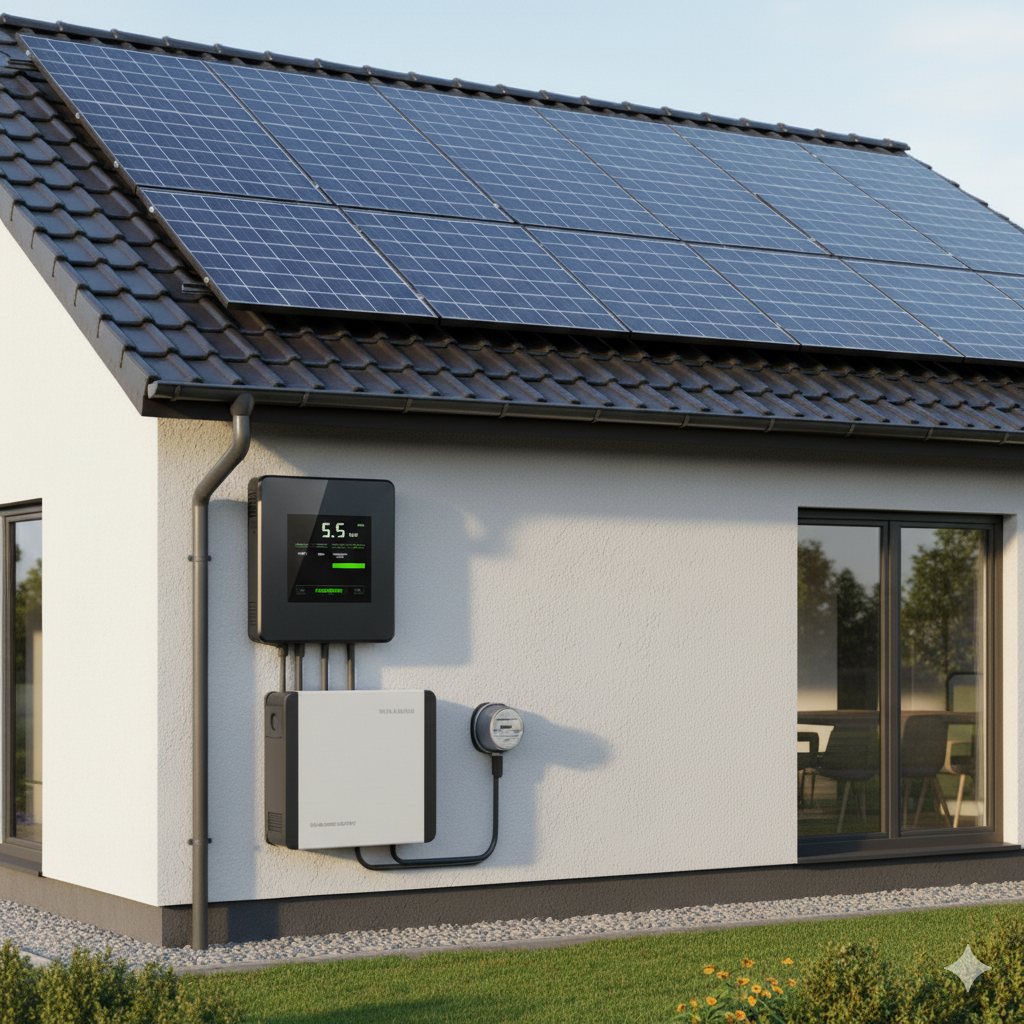
Residential Rooftops: Higher yields and smooth interaction with local grids.
-
Commercial Buildings: Better load balancing and reduced operating expenses.
-
Utility-Scale Solar Farms: Maximum returns from multi-megawatt installations.
-
Hybrid Solar-Storage Systems: Stable backup supply and peak demand management.
By serving all these scenarios, smart inverter manufacturers enable flexible energy adoption.
Q&A: Common Questions About Smart Inverter Manufacturers
Q1: Why is >98% efficiency important in real-world projects?
Because even a small increase compounds into significant long-term savings and reliability improvements.
Q2: How do smart inverter manufacturers ensure long-term reliability?
Through robust design, component quality, and strict compliance with international certifications.
Q3: Are smart inverters suitable for both small and large-scale systems?
Yes, modular designs allow seamless scaling from residential rooftops to gigawatt-scale solar farms.
Q4: What should be considered when choosing a smart inverter manufacturer?
Beyond efficiency, buyers should evaluate service, customization options, and proven market track record.
Partnering for Reliable Solar Solutions
Pushing efficiency beyond 98% requires not just technology, but also dedication to quality, service, and long-term vision. This is where a trusted smart inverter manufacturer truly adds value. At Thlinksolar, we combine global experience, advanced product design, and one-stop solutions to help partners build energy systems that are future-proof and cost-effective.
To learn more about our solutions, visit our homepage or get in touch directly through our contact page.