Sustained Efficiency Through Heat Management: Inside the Enhanced Cooling Solar Inverter
Every inverter faces the same challenge: turning solar power into electricity generates heat. Over time, excess heat becomes the main factor reducing efficiency and component life.
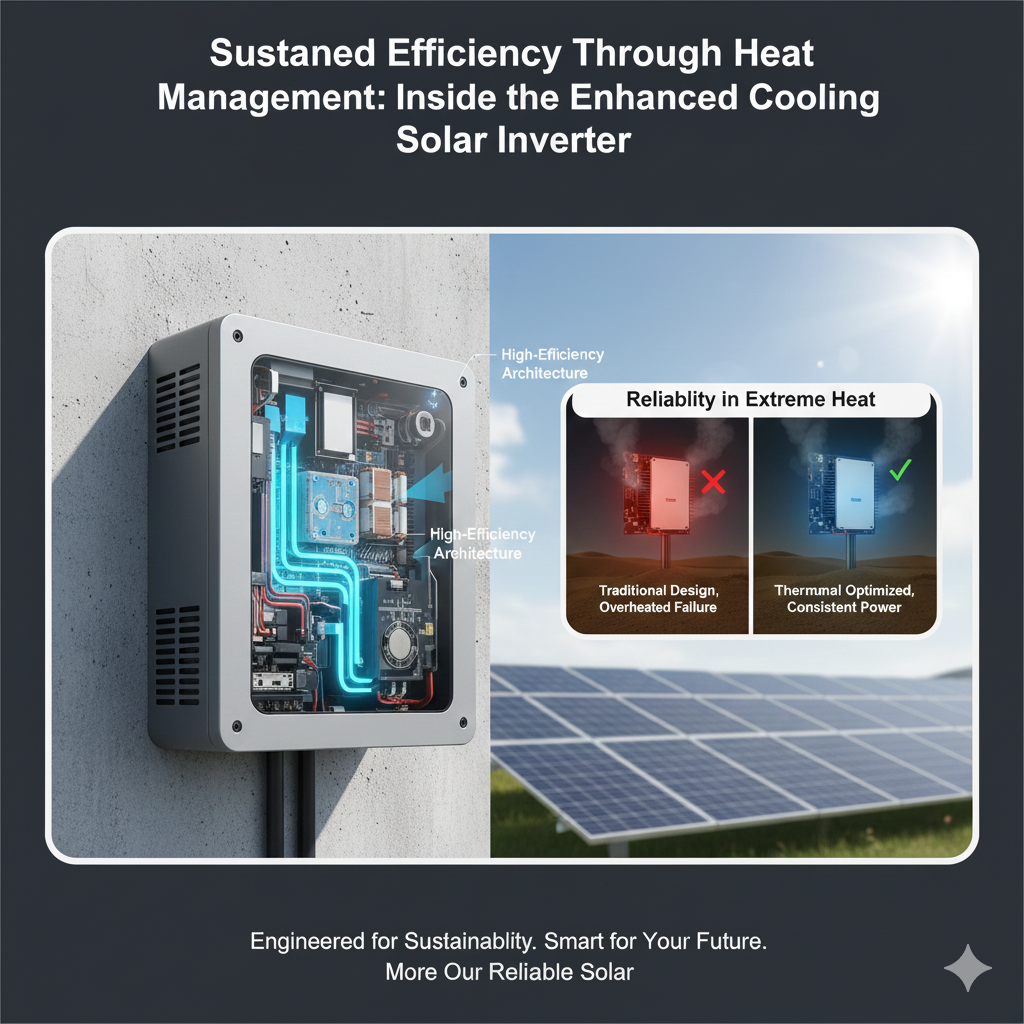
The enhanced cooling solar inverter from Thlinksolar is specifically designed to counter that issue through smart thermal pathways, efficient airflow, and intelligent temperature monitoring. Its design keeps systems operating smoothly even in harsh climates or during extended peak load hours.
Why Advanced Cooling Technology Matters
Solar installations often operate under direct sunlight and high electrical load, where consistent temperature control determines long-term stability.
When cooling is insufficient, inverter components age faster, signal accuracy drops, and protective systems can trigger power derating.
Thlinksolar’s enhanced cooling structure resolves these pain points with an upgraded airflow layout and improved material conductivity.
The system ensures steady operation by maintaining even heat distribution across key power modules.
Design Structure of the Enhanced Cooling Solar Inverter
The design of this inverter combines mechanical precision with intelligent control, forming a complete thermal management system that works proactively rather than reactively.
-
Optimized Heat Sink Geometry: Redesigned fins increase surface area for faster thermal transfer.
-
Smart Fan Regulation: Airflow speed adjusts dynamically based on internal temperature readings.
-
Independent Cooling Channels: Isolates control and power circuits, preventing heat crossover.
-
Real-Time Thermal Sensors: Multiple detection points provide accurate feedback for instant response.
-
Protective Enclosure: Dustproof and moisture-resistant sealing maintains long-term reliability.
These design layers function together to maintain conversion efficiency even under extreme summer temperatures or heavy-duty operation cycles.
Technical Highlights and Performance Gains
| Feature | Description | Resulting Benefit |
|---|---|---|
| Adaptive Airflow Design | Multi-directional ventilation paths | Rapid temperature equalization |
| Thermal Zoning | Separation of sensitive control boards | Longer circuit lifespan |
| Fan Control Algorithm | Variable-speed fans triggered by load | Lower energy use and quieter performance |
| High-Density Heat Sink | Aluminum alloy body with anti-oxidation finish | Enhanced cooling efficiency |
| Intelligent Monitoring | Onboard thermal map feedback | Real-time protection and predictive alerts |
Each component works to achieve one goal — uninterrupted and efficient energy conversion even under environmental stress.
Applications Across Solar Environments
The enhanced cooling solar inverter adapts easily to different solar deployment types:
-
Commercial Rooftops: Maintains rated output despite direct sunlight and minimal ventilation.
-
Industrial Plants: Operates reliably in high-load settings with continuous machine activity.
-
Utility Solar Farms: Sustains performance under prolonged full-capacity output.
-
Remote Installations: Reduces maintenance needs with self-regulated thermal control.
Its temperature resilience makes it an ideal choice for systems located in tropical, desert, or high-humidity zones where standard cooling often fails.
Operational Advantages for Installers and Owners
-
Extended Lifespan: Controlled heat flow prevents premature aging of components.
-
Consistent Output: Efficiency remains stable without performance drop during long exposure.
-
Reduced Maintenance: Self-cleaning airflow design minimizes dust accumulation.
-
Energy-Saving Cooling: Adaptive control lowers auxiliary power use.
-
Reliable Field Operation: Tested for operation in temperatures up to 60°C ambient.
In high-temperature regions, these features significantly reduce downtime and protect ROI over years of continuous operation.
Integration and Testing Standards
Each inverter undergoes thermal chamber testing, simulating years of exposure to heat, humidity, and airborne particles.
Thlinksolar ensures compliance with CE, TUV, and VDE certifications, covering both electrical safety and environmental endurance.
The inverter’s modular platform supports hybrid system integration, including storage or smart grid connectivity through RS485, CAN bus, and Modbus protocols.
Frequently Asked Questions
Q1: How does the enhanced cooling solar inverter improve system performance?
A: By regulating temperature precisely, it prevents power loss, reduces thermal stress, and keeps conversion efficiency high even in demanding environments.
Q2: Does the enhanced cooling design increase energy consumption?
A: No. The system adjusts fan speed and operation based on real-time conditions, optimizing cooling efficiency without additional energy waste.
Reliable Power Conversion in All Conditions
Heat control is not an afterthought—it is essential to reliable solar operation. The enhanced cooling solar inverter combines material science, airflow engineering, and intelligent control to keep systems performing at their best across climates and workloads.
Through continuous innovation, Thlinksolar ensures that solar energy systems remain stable, efficient, and dependable in the most demanding conditions.
For technical consultation or integration guidance, visit Thlinksolar.com or contact our team.