All-in-One Inverter Manufacturer: Integrated Power for Smarter Solar Projects
Integration Solves Real Pain Points in Solar Deployment
One of the biggest challenges in solar adoption is complexity. Traditional systems require multiple devices—inverter, charge controller, and sometimes additional power management units. Each extra component means more cost, longer installation time, and higher maintenance risk.
The all-in-one inverter addresses these issues by integrating key functions into a single unit. For developers, EPC contractors, and procurement teams, working with an experienced all-in-one inverter manufacturer means projects can achieve:
-
Faster installation timelines.
-
Lower upfront and operational costs.
-
Streamlined logistics and reduced inventory.
-
Simplified maintenance with fewer potential failure points.
According to the International Renewable Energy Agency (IRENA), reducing system complexity is one of the critical drivers for expanding distributed solar adoption, particularly in emerging markets.
Technical Advantages That Manufacturers Deliver
Professional inverter factories design all-in-one units to meet both technical demands and field realities. Typical capabilities include:
-
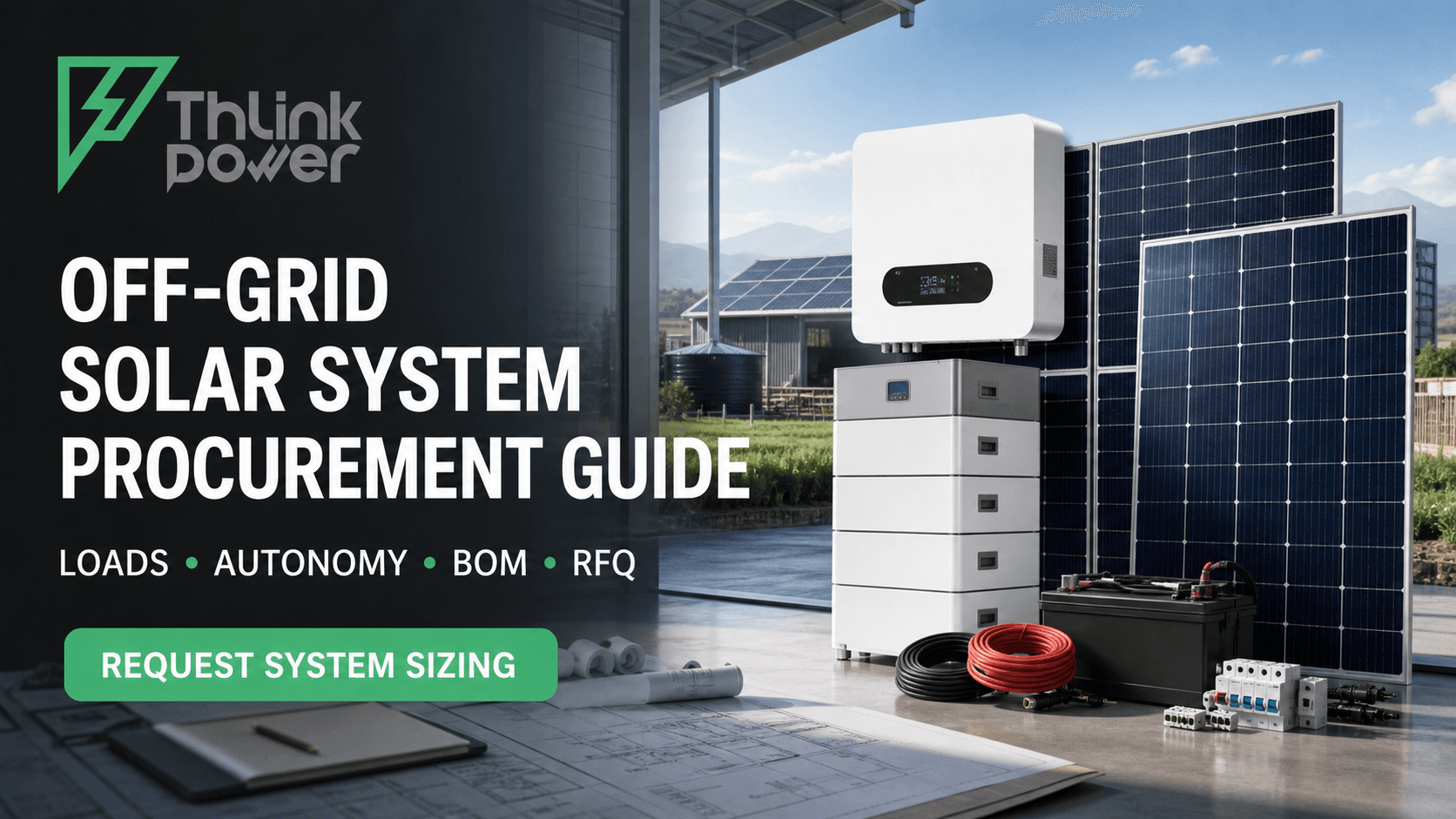
Compact engineering – Combining inverter, charger, and MPPT controller in one enclosure.
-
Smart monitoring – Remote management, firmware upgrades, and data logging.
-
OEM flexibility – Custom branding, interfaces, and region-specific compliance support.
-
Durability testing – Factory simulations for heat, dust, and humidity resistance.
-
Hybrid readiness – Seamless integration with solar panels, batteries, and grid inputs.
These advantages turn a product into a long-term asset for developers and system integrators.
Real-World Applications Where All-in-One Inverters Excel
-
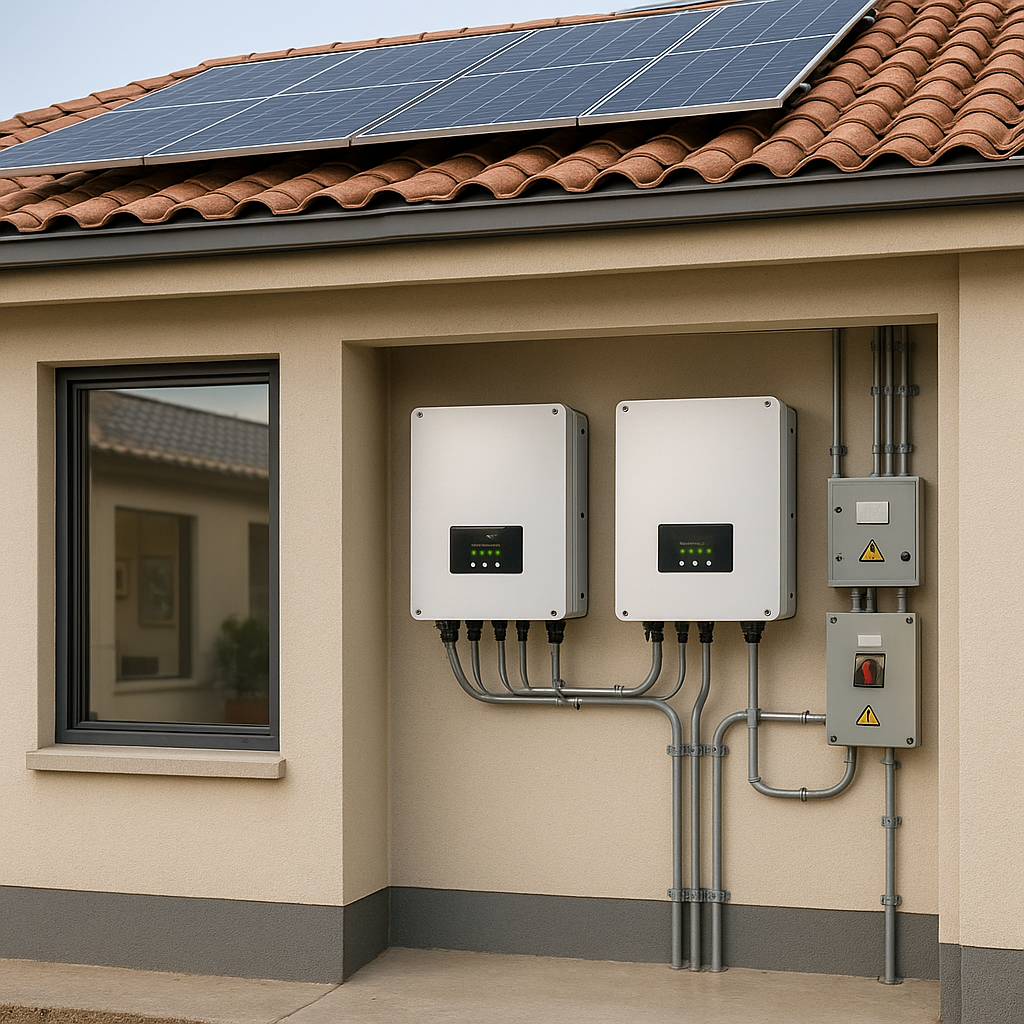
Residential rooftops – Families reduce space use and installation costs while ensuring stable daily energy supply.
-
Small businesses – Clinics, retail shops, and offices adopt compact inverters to secure reliable backup without major retrofits.
-
Rural electrification – All-in-one systems provide turnkey solutions for microgrids in communities with weak or no grid access.
-
Emergency backup – Factories and institutions integrate them into resilience strategies for outage-prone regions.
Comparing Conventional vs. All-in-One Inverter Solutions
| Criteria | Conventional Setup | All-in-One Inverter Solution |
|---|---|---|
| Components Required | Separate inverter, charger, controller | Single integrated unit |
| Installation Time | Longer, requires multiple steps | Faster, plug-and-play |
| Cost of Deployment | Higher due to multiple purchases | Lower upfront and O&M costs |
| Maintenance | Complex, multiple failure points | Simplified, fewer parts to service |
| OEM Customization | Limited flexibility | High flexibility in branding & features |
Common Questions About All-in-One Inverters
Q1: Are all-in-one inverters reliable for off-grid systems?
Yes. When manufactured by certified factories, these units are tested under extreme conditions and provide stable operation for remote and rural projects.
Q2: Can they be scaled for larger projects?
Absolutely. Multiple units can be installed in parallel to meet commercial or community-scale demands.
Q3: How do OEM partners benefit?
OEM clients gain flexibility in branding, software integration, and compliance documentation, which shortens project approval timelines.
Manufacturing Strengths That Create Market Confidence
At Thlinksolar, our role as an all-in-one inverter manufacturer goes beyond production. We provide:
-
CE, TÜV, and UL-certified manufacturing.
-
OEM/ODM services for branding, design, and firmware.
-
Scalable capacity supporting both distributors and EPC project procurement.
-
Export and logistics expertise ensuring timely delivery worldwide.
-
Collaborative engineering support for project-specific requirements.
The Solar Energy Industries Association (SEIA) emphasizes that manufacturing partners with certified outputs and scalable supply chains are crucial in accelerating solar adoption globally.
Integration as the Future of Solar Growth
The future of solar depends on solutions that make deployment easier and more affordable. All-in-one inverters are leading this trend, serving as compact yet powerful engines of solar adoption. Choosing the right all-in-one inverter manufacturer ensures that projects benefit from both technical excellence and streamlined implementation.
At Thlinksolar, we combine factory-certified production with OEM flexibility and real-world durability, helping partners deploy solar confidently—from family rooftops to community microgrids. Explore more at thlinksolar or contact our team here to discuss tailored OEM solutions.