Understanding the Core Role of a 48V Hybrid Inverter
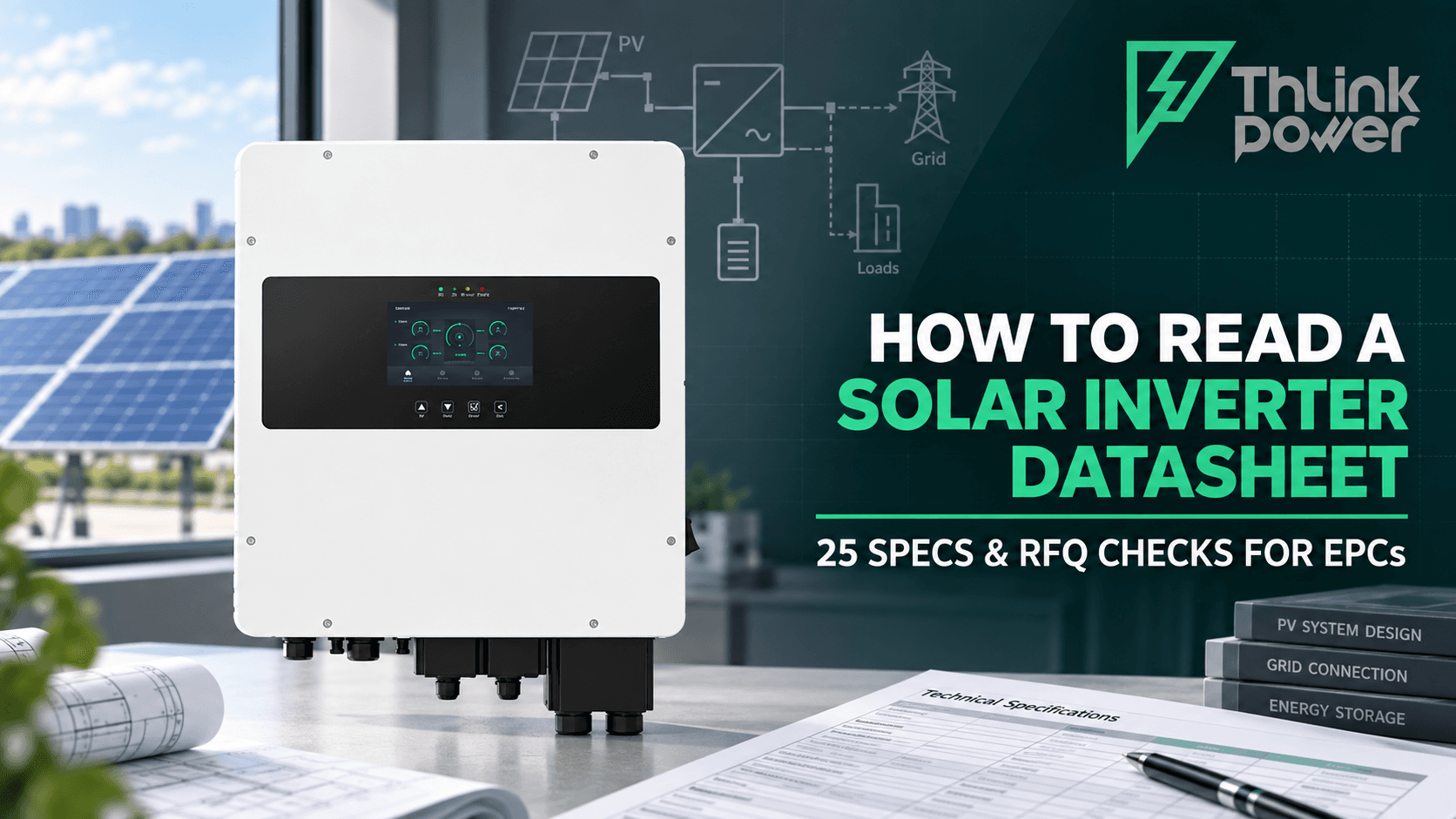
In every solar energy system, the inverter serves as the control hub. It converts DC power from solar panels into AC electricity usable by appliances — but a 48V hybrid solar inverter does much more.
It manages three energy sources — solar, grid, and battery — dynamically balancing power flow for maximum efficiency.
This voltage level (48V) is a universal standard for both home and small commercial systems, offering an ideal balance between safety, flexibility, and conversion performance. It’s widely adopted in residential microgrids, telecom towers, and light industrial setups that require both autonomy and reliability.
Why 48V Hybrid Systems Are a Global Standard
The popularity of the 48V configuration is not accidental. It’s the result of decades of engineering optimization.
-
Safe Yet Powerful: Operates below hazardous voltage thresholds, reducing installation risk.
-
Optimized Compatibility: Works seamlessly with 48V lithium or lead-acid batteries, simplifying integration.
-
Reduced Energy Loss: Shorter conversion path and lower resistance mean higher overall efficiency.
-
Flexible System Design: Can function as off-grid, grid-tied, or hybrid with battery backup.
-
Future-Proof: Ready for smart grids and remote monitoring integration.
In short, it’s a versatile power backbone for modern energy infrastructure — one that evolves with your operational needs.
How a 48V Hybrid Inverter Manages Energy Flow
| Mode | Energy Source | Power Routing | Key Benefit |
|---|---|---|---|
| Daytime Mode | Solar → Load / Battery | Direct consumption & charge | Maximizes solar usage |
| Evening Mode | Battery → Load | Stored power utilization | Ensures night operation |
| Grid Mode | Grid → Load / Battery | Automatic switch during low sunlight | Prevents downtime |
| Backup Mode | Battery → Critical Load | Isolated operation | Keeps essential devices running |
An advanced hybrid inverter continuously switches between these modes without user intervention — ensuring smooth energy delivery in every condition.
Technical Advantages of 48V Hybrid Solar Inverters
| Feature | Description | Value |
|---|---|---|
| Voltage Rating | 48V nominal (DC input) | Safe & efficient power conversion |
| Efficiency | ≥ 97.5% | High conversion rate for solar & battery |
| MPPT Range | 120–450V | Maximizes energy harvest |
| Parallel Support | Up to 9 units | Scalable for commercial projects |
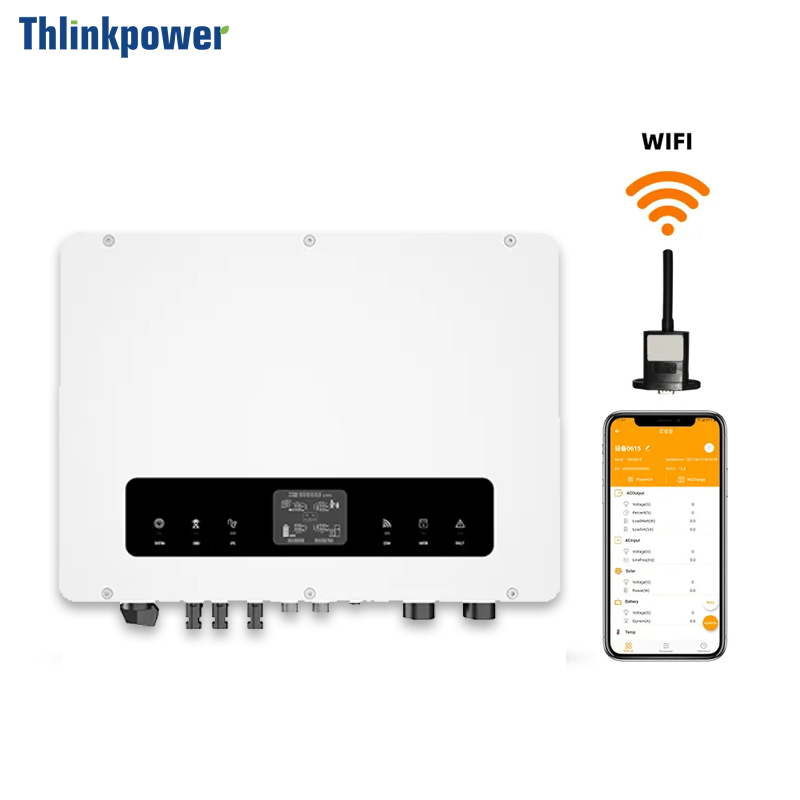
| Communication | RS485 / CAN / WiFi | Enables smart monitoring |
| Protection | Overload, surge, short circuit | Ensures durability in harsh grids |
Unlike conventional inverters, hybrid 48V models include intelligent MPPT (Maximum Power Point Tracking), optimizing energy output even under partial shading or temperature variations.
Their low-frequency or transformerless topologies further enhance system flexibility, allowing installation in both residential and industrial environments.
Real-World Application Scenarios
-
Residential Solar Systems: Store daytime solar energy for night use, minimizing grid dependency.
-
Commercial Buildings: Maintain operations during blackouts while reducing electricity bills.
-
Telecom Stations: Provide stable 48V DC output for sensitive electronic loads.
-
Agricultural Pumps: Ensure consistent water supply through hybrid off-grid systems.
-
Remote Sites: Deliver energy autonomy where grid access is limited.
These systems not only guarantee uptime but also reduce operational expenditure — turning power reliability into a measurable business advantage.
What to Consider Before Choosing a 48V Hybrid Inverter
| Factor | Why It Matters | Recommendation |
|---|---|---|
| Load Profile | Determines inverter capacity | Choose based on total wattage + 20% margin |
| Battery Type | Affects efficiency and cycle life | Use LiFePO₄ for long-term reliability |
| Solar Input Range | Impacts generation yield | Match panel voltage with MPPT range |
| Cooling System | Extends inverter lifespan | Prefer forced-air or heat sink design |
| Monitoring Options | Enables maintenance planning | Select WiFi or RS485-enabled models |
Tip: For continuous use or industrial environments, select hybrid inverters with auto-restart and isolation transformer options for enhanced resilience.
Frequently Asked Questions
Q1: Why is 48V preferred for hybrid solar systems?
It offers an ideal balance between safety, efficiency, and compatibility with most energy storage systems.
Q2: Can a 48V inverter support both solar and grid input?
Yes. Hybrid models intelligently switch between solar, grid, and battery sources depending on load demand.
Q3: What batteries work best with 48V inverters?
Lithium-ion (especially LiFePO₄) batteries provide longer lifespan and faster charging efficiency.
Q4: How long does a 48V hybrid inverter last?
Typically 10–15 years, depending on environment and load management.
Q5: Is remote monitoring available?
Yes. Most systems support WiFi or RS485 connections for real-time tracking and fault alerts.
Powering the Next Generation of Solar Efficiency
A 48V hybrid solar inverter isn’t just another piece of hardware — it’s a control center for modern energy ecosystems.
It enables smart energy routing, efficient conversion, and long-term independence from volatile grids.
At ThlinkSolar, our hybrid inverter series is built for durability, adaptability, and global compliance. From residential rooftops to commercial microgrids, our systems empower users to harness solar energy with confidence and precision.
To explore technical specifications or discuss integration for your next project, visit our homepage or connect with our team via the contact page.